Solar Analytics Platforms: Slash Bills With Smart Energy
You open your monthly electricity bill and feel that familiar pinch. Rates keep climbing, and you wonder if there is a smarter way to power your home. That is why more homeowners are searching for solar analytics platforms to take control of their energy costs. These tools promise to reduce electricity bills and help you become less dependent on the power grid. Understanding how they work can be the first step toward a more affordable and sustainable home.
Understanding Solar Analytics Platforms
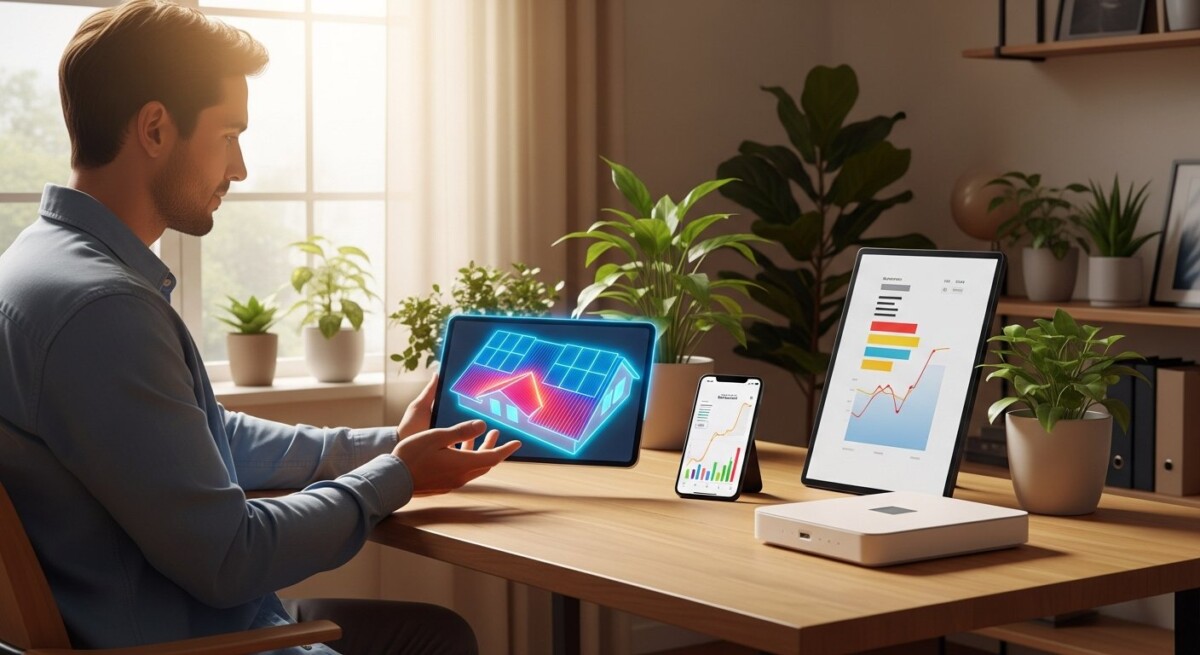
A solar analytics platform is a digital tool that uses data to help you make smarter decisions about solar energy. It collects information about your home’s energy usage, local weather patterns, and sunlight exposure to estimate how much power solar panels could generate. Think of it as a personal energy advisor that runs the numbers before you ever climb a ladder.
These platforms work by analyzing your past electricity bills and combining that with satellite imagery of your roof. The software then calculates potential savings, optimal panel placement, and even the best system size for your home. More homeowners are turning to these tools because they remove guesswork and provide clear, personalized results.
What Makes a Platform Reliable
A good solar analytics platform uses real-world data, not generic averages. It should factor in your local utility rates, shading from trees or nearby buildings, and seasonal sunlight changes. Accurate analytics help you avoid overpaying for a system that is too large or missing out on savings with one that is too small.
Why Solar Energy Is Becoming More Popular
Electricity prices have risen steadily over the past decade, and many homeowners feel the strain on their monthly budgets. Solar energy offers a way to lock in lower, predictable energy costs for decades. At the same time, growing awareness of climate change has pushed families to seek cleaner power sources.
Long-term savings are a major draw. While solar panels require an upfront investment, they often pay for themselves within six to ten years through reduced utility bills. After that, the electricity they produce is essentially free. Federal tax credits, state rebates, and net metering programs can also lower the initial cost significantly.
In our guide on AI solar analytics explained, we break down how these tools can maximize your return on investment. By analyzing your home’s unique profile, you can choose a system that delivers the best financial outcome.
If you are considering solar power for your home, comparing installation quotes can help you understand your options. Request a free solar quote or call to learn more.
Common Questions Homeowners Have About Solar
Most homeowners start with the same big question: How much will this cost? Installation prices vary based on system size, equipment quality, and your roof’s condition. A typical residential system ranges from $10,000 to $30,000 before incentives, but federal and state programs can cut that cost by 30 percent or more.
Roof suitability is another top concern. Not every roof is ideal for solar, but most can accommodate panels with some adjustments. Factors like age, material, and shading all play a role. A professional installer will assess your roof during a site visit to ensure it can support the system safely.
Performance questions also come up frequently. Homeowners want to know how much power their panels will actually produce and whether they will work on cloudy days. Modern solar panels are efficient and can generate electricity even in diffuse sunlight, though output is lower than on sunny days.
- Will solar panels work during a power outage?
- How long do solar panels last?
- Do I need to clean my panels regularly?
- What happens if I move homes after installing solar?
- Can I add a battery for energy storage later?
- How do I know if my roof gets enough sun?
How Solar Panel Installation Works
Solar panel installation follows a clear, step-by-step process that starts long before any equipment goes on your roof. First, an installer performs a home energy assessment to understand your usage patterns and identify efficiency improvements. This step ensures you are not oversizing your system.
Next comes system design, where the installer uses software to map out panel placement and electrical connections. Once you approve the design, the company handles permits and approvals from your local utility and building department. This paperwork is critical for safety and for qualifying for incentives.
- Home energy assessment and utility bill analysis
- Custom system design and equipment selection
- Permit applications and utility approvals
- Professional panel installation and wiring
- System inspection, testing, and activation
Speaking with experienced installers can help you determine the best solar solution for your home. Compare solar quotes here or call to explore available options.
Signs Your Home May Be Ideal for Solar
Certain features make some homes better candidates for solar than others. A south-facing roof with little to no shade is the gold standard, but east- and west-facing roofs can also work well. The key is consistent sunlight exposure throughout the day.
High electricity bills are another strong indicator. If you pay more than $100 per month on average, solar will likely provide meaningful savings. Homes with large families, electric vehicles, or pool pumps often see the fastest payback periods.
- Your roof receives direct sunlight for most of the day
- Your monthly electricity bill is consistently high
- You have adequate roof space without obstructions
- You plan to stay in your home for at least five more years
- Your local utility offers net metering or time-of-use rates
- Your roof is in good condition and less than 15 years old
What Affects Solar Installation Costs
System size is the biggest driver of cost. A larger system that covers 100 percent of your energy needs will cost more upfront but deliver greater long-term savings. Equipment quality also matters: premium panels and inverters cost more but often come with better warranties and efficiency.
Installation complexity can add to the price. Roofs with steep pitches, unusual materials, or multiple stories require more labor and safety equipment. Local incentives and rebates can offset some of these costs, making solar more affordable in certain states and cities.
For a deeper look at how analytics can optimize your investment, check out our article on AI solar analytics explained to see how data drives better decisions.
The cost of solar installation varies depending on your home and energy needs. Request personalized solar quotes or call to see what options are available.
Tips for Choosing a Reliable Solar Installer
Not all solar installers are created equal. The best ones have years of experience, strong customer reviews, and a track record of quality work. Always verify that the installer is licensed, insured, and certified by organizations like the North American Board of Certified Energy Practitioners (NABCEP).
Warranties are another critical factor. A reliable installer offers a comprehensive workmanship warranty for at least ten years and uses equipment with separate manufacturer warranties. Reading online reviews and asking for references can reveal how the company handles problems after installation.
- Check how long the installer has been in business
- Ask about equipment warranties and workmanship guarantees
- Read recent customer reviews on independent sites
- Request quotes from at least three different installers
- Confirm they handle all permits and inspections
- Look for transparent pricing with no hidden fees
Long-Term Benefits of Installing Solar Panels
The most immediate benefit is lower electricity bills. Once your system is running, you generate your own power and buy less from the utility. Over 20 to 30 years, those savings can add up to tens of thousands of dollars.
Solar panels also increase your home’s resale value. Studies show that homes with solar systems sell for a premium compared to similar homes without them. Buyers are attracted to the promise of lower utility costs and energy independence.
Beyond finances, solar reduces your carbon footprint. A typical residential system offsets several tons of carbon dioxide each year, equivalent to planting hundreds of trees. And with a battery backup, you can store energy for use during outages, giving you greater control over your power supply.
Frequently Asked Questions
How much can I save with solar panels?
Savings vary based on your location, energy usage, and system size. On average, homeowners save between $10,000 and $30,000 over 20 years. Using a solar analytics platform can give you a personalized estimate before you commit.
Do solar panels work on cloudy days?
Yes, solar panels still generate electricity on cloudy days, just at a reduced rate. Modern panels are designed to capture diffuse sunlight. Net metering allows you to bank excess energy from sunny days to use when production is lower.
How long do solar panels last?
Most solar panels come with a 25-year performance warranty and continue producing power beyond that. Their output gradually decreases over time, but they typically still operate at 80 percent capacity after 25 years.
What is net metering?
Net metering is a billing arrangement that credits you for excess electricity your panels send back to the grid. These credits offset the power you draw when your system is not producing, like at night. Not all utilities offer it, so check your local policy.
Can I install solar panels myself?
DIY solar installation is possible but not recommended for most homeowners. Professional installers handle permits, safety requirements, and proper electrical connections. Mistakes can void warranties, create safety hazards, and reduce system performance.
Do I need a battery with my solar system?
A battery is optional but useful if you want backup power during outages or want to use stored energy at night. Without a battery, you rely on net metering to balance your production and consumption. Batteries add cost but increase energy independence.
Will solar increase my property taxes?
In most states, solar panel installations are exempt from property tax assessments. That means your home’s value can go up without a corresponding tax increase. Check your state’s specific exemption rules to be sure.
How do I find the best solar installer near me?
Start by reading online reviews and asking for recommendations from neighbors who have solar. Then compare quotes from multiple licensed installers. A trusted platform like SolarEnergy.ai can connect you with vetted professionals in your area.
Solar energy is more accessible and affordable than ever before. By using a solar analytics platform and comparing quotes from experienced installers, you can make a confident choice that reduces your bills and helps the planet. Take the first step today and explore your options.