AI Solar vs Smart Grid Comparison: Save More on Energy
Your monthly electricity bill keeps climbing. You have heard about solar panels and smart grid technology, but you are not sure which option is right for your home. Many homeowners are now searching for an ai solar vs smart grid comparison to find the best way to cut costs and gain energy independence. Understanding these two approaches can help you make a confident decision about reducing your energy bills and taking control of your home’s power supply.
Understanding AI Solar vs Smart Grid Comparison
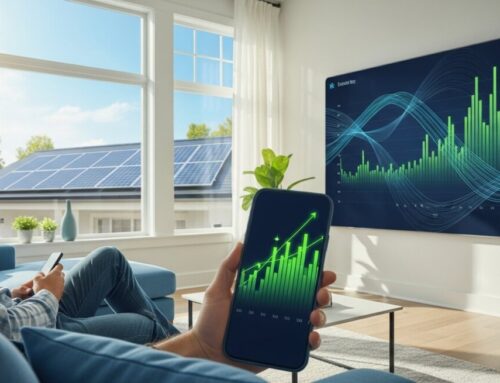
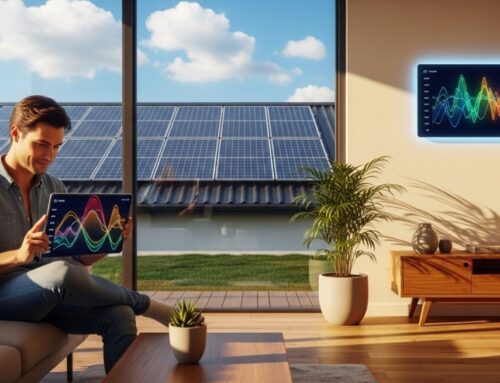
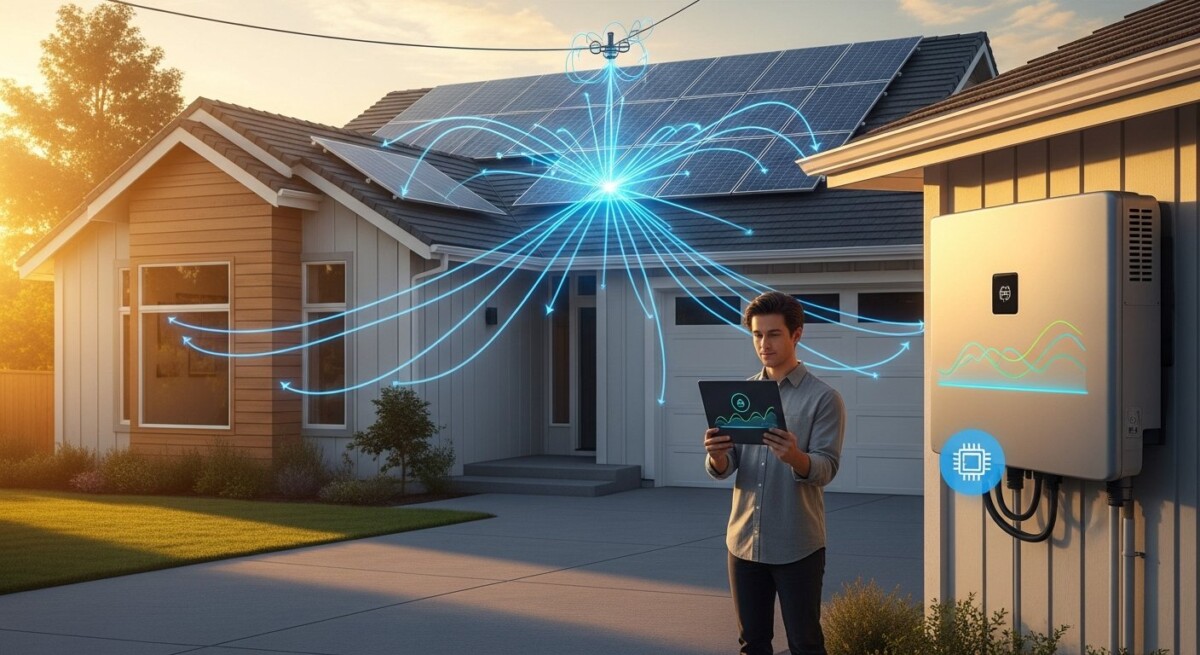
AI solar refers to solar panel systems that use artificial intelligence to optimize energy production and consumption. These smart systems learn your household’s energy patterns and automatically adjust when to store power, use it, or send it back to the grid. In our guide on AI solar vs smart grid comparison, we explain how this technology works in plain language.
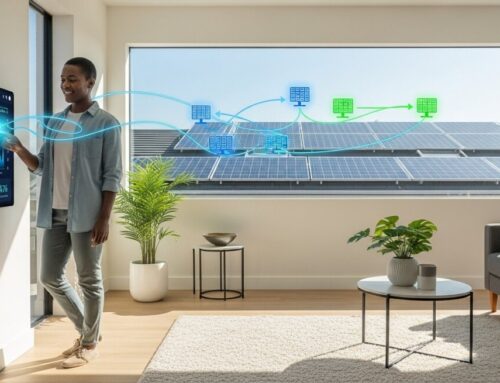
A smart grid is an upgraded electrical grid that uses digital communication to manage electricity flow more efficiently. It can balance supply and demand in real time, integrate renewable sources, and give homeowners more control over their usage. When you combine AI solar with a smart grid, you get a powerful system that maximizes savings and reliability.
More homeowners are considering these technologies because they promise lower bills and less dependence on utility companies. The idea of generating your own clean energy while the system handles the complex decisions is very appealing. You do not need to be a tech expert to benefit from these innovations.
Why Solar Energy Is Becoming More Popular
Electricity rates have risen steadily over the past decade, and many homeowners feel the pinch. Solar power offers a way to lock in lower energy costs for 25 years or more. By generating your own electricity, you shield yourself from future rate hikes.
Environmental concerns also drive the shift to solar. Burning fossil fuels for electricity contributes to air pollution and climate change. Solar panels produce clean, renewable energy that reduces your carbon footprint. Many homeowners take pride in powering their homes with sunlight.
Long-term savings are the biggest motivator. Although solar installation requires an upfront investment, the payback period typically ranges from six to ten years. After that, your electricity is essentially free. Combined with government incentives and net metering programs, solar panels can save you tens of thousands of dollars over their lifetime.
If you are considering solar power for your home, comparing installation quotes can help you understand your options. Request a free solar quote or call to learn more.
Common Questions Homeowners Have About Solar
Many homeowners worry about the upfront cost of solar panels. The good news is that federal tax credits, state rebates, and financing options can significantly reduce the initial expense. Some installers offer $0-down loans or leases, making solar accessible to more families.
Roof suitability is another frequent concern. Solar panels work best on roofs that face south or west and receive direct sunlight for most of the day. Your installer will assess your roof’s age, angle, and shading to determine if it is a good fit. In many cases, even partially shaded roofs can still generate meaningful savings.
System performance questions often arise. Modern solar panels are highly efficient and durable, with most manufacturers offering 25-year performance warranties. Your system will produce less power on cloudy days, but net metering credits allow you to bank excess energy from sunny days for later use.
- How much will solar panels really save me each month?
- Will solar work during a power outage?
- How long does installation take?
- Do I need to replace my roof before installing solar?
- What happens if my panels produce more energy than I use?
- Are there financing options with no money down?
How Solar Panel Installation Works
Professional solar installation follows a clear process designed to minimize disruption to your home. First, an installer visits your property to evaluate your energy needs, roof condition, and sunlight exposure. This assessment forms the basis for a custom system design.
Once you approve the design, the installer handles all permits and approvals with your local utility and building department. This step ensures your system meets safety codes and grid connection requirements. The actual panel installation usually takes one to three days, depending on system size and roof complexity.
After installation, a final inspection and grid connection are completed, and your system is activated. Your installer will walk you through the monitoring app so you can track your energy production and savings in real time.
- Home energy assessment and site evaluation
- Custom system design and equipment selection
- Permit applications and utility approvals
- Panel mounting and electrical wiring installation
- Final inspection, grid connection, and system activation
Speaking with experienced installers can help you determine the best solar solution for your home. Compare solar quotes here or call to explore available options.
Signs Your Home May Be Ideal for Solar
Not every home is perfectly suited for solar, but many are. If your roof gets strong sunlight for most of the day without heavy shading from trees or buildings, you are likely a good candidate. South-facing roofs with a pitch between 15 and 40 degrees are ideal.
High electricity bills are another strong indicator. Homes that use 800 kilowatt-hours per month or more often see the fastest payback periods. Solar offsets a larger portion of your usage, leading to greater savings.
Suitable roof space matters. A typical residential solar system requires about 300 to 500 square feet of unobstructed roof area. If you plan to stay in your home for at least five more years, the long-term financial returns make solar a smart investment.
- Roof receives direct sunlight for at least 5 hours daily
- Monthly electricity bills exceed $100
- Roof is less than 10 years old and in good condition
- You plan to stay in your home for 5+ years
- Your local utility offers net metering or time-of-use rates
- Your home is in a state with strong solar incentives
What Affects Solar Installation Costs
System size is the primary cost driver. Larger systems that produce more electricity cost more upfront but also generate greater long-term savings. Your installer will recommend a size based on your average energy consumption and roof space.
Equipment quality matters. High-efficiency panels and premium inverters cost more but often produce more power and last longer. Cheaper components may save money initially but could lead to lower performance or earlier replacement. Your installer can explain the trade-offs.
Installation complexity also affects pricing. Simple roof layouts with easy electrical access cost less to install. Complex roofs with multiple angles, skylights, or tile materials require more labor. Local incentives, including federal tax credits and state rebates, can reduce your net cost by 30% or more.
The cost of solar installation varies depending on your home and energy needs. Request personalized solar quotes or call to see what options are available.
Tips for Choosing a Reliable Solar Installer
Choosing the right installer is just as important as choosing the right equipment. A reputable company will conduct a thorough site assessment, provide transparent pricing, and stand behind their work. Look for installers with at least five years of experience and strong reviews on platforms like Google and the Better Business Bureau.
Warranties are a key trust signal. Quality installers offer a workmanship warranty of at least 10 years and handle all manufacturer warranty claims for panels and inverters. They should also explain the monitoring system and post-installation support clearly.
Comparing multiple quotes is the best way to ensure you get fair pricing and quality service. Each quote will vary in equipment, pricing, and warranty terms, so you can make an apples-to-apples comparison. Professional installers help you avoid costly mistakes like undersizing your system or choosing incompatible components.
- Verify the installer’s license, insurance, and certifications
- Ask for at least three detailed quotes from different companies
- Read recent customer reviews and check complaint history
- Review warranty coverage for panels, inverters, and workmanship
- Confirm the installer handles permits and utility paperwork
- Choose a company that offers ongoing monitoring and support
Long-Term Benefits of Installing Solar Panels
Lower electricity bills are the most immediate benefit. Once your system is paid off, your monthly energy cost drops dramatically, often to just a small grid connection fee. Over 25 years, these savings can total $20,000 to $50,000 depending on your location and energy use.
Solar panels also increase your home’s resale value. Studies show that homes with solar sell for about 4% more than comparable homes without it. Buyers appreciate the lower utility costs and environmental benefits, making your property more attractive on the market.
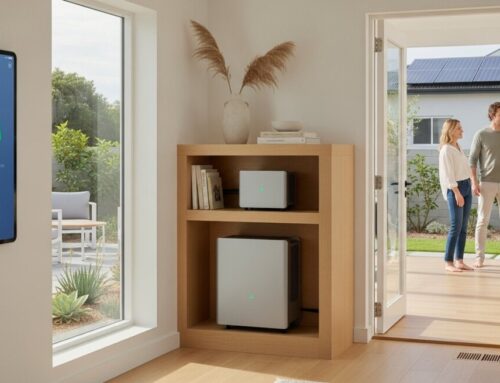
Energy independence is another major advantage. When you generate your own power, you are less vulnerable to grid outages and utility rate increases. Adding a battery storage system gives you backup power during blackouts, further enhancing your self-sufficiency. And by using clean energy, you directly reduce greenhouse gas emissions and support a healthier planet.
Frequently Asked Questions
What is the difference between AI solar and a smart grid?
AI solar refers to a solar panel system that uses artificial intelligence to optimize energy production and usage within your home. A smart grid is the broader electrical network that uses digital technology to manage electricity distribution across an entire region. Many homes use both: AI solar manages your home’s energy, while the smart grid connects you to the utility.
Can AI solar really lower my electricity bills?
Yes. AI solar systems learn your daily energy patterns and automatically decide when to use stored battery power, when to pull from the grid, and when to sell excess energy back. This intelligent management can reduce your electricity bills by 30% to 50% or more, depending on your usage and local rates.
Do I need a smart grid to use solar panels?
No. You can install solar panels without a smart grid. However, a smart grid makes it easier to sell excess energy back to the utility and often supports net metering programs. In our AI solar vs smart grid which saves you more guide, we break down how these systems work together.
How long does it take for solar panels to pay for themselves?
The payback period for residential solar typically ranges from 6 to 12 years. This depends on your system size, local electricity rates, available incentives, and how much sun your roof receives. After the payback period, your electricity is essentially free for the remaining life of the panels.
What government incentives are available for solar?
The federal solar Investment Tax Credit (ITC) allows you to deduct 30% of your installation cost from your federal taxes. Many states also offer additional rebates, tax credits, or performance-based incentives. Some utilities provide net metering credits for excess energy your system produces.
Will solar panels work during a power outage?
Standard grid-tied solar systems shut down during an outage for safety reasons. If you want backup power, you need to add a battery storage system. Many AI solar systems include battery integration, so you can keep essential appliances running when the grid goes down.
How do I know if my roof is suitable for solar?
A professional installer will assess your roof’s age, orientation, pitch, and shading. In general, roofs facing south or west with minimal shade and a pitch between 15 and 40 degrees are ideal. If your roof needs replacement soon, it is often best to do that before installing solar.
Should I compare multiple solar installation quotes?
Absolutely. Prices, equipment quality, and warranty terms vary significantly between installers. Comparing at least three quotes helps you find the best value and avoid overpaying. Professional installers can also help you choose the right system size and financing option for your home.
Exploring solar energy is a smart step toward lower bills and a cleaner future. The best way to start is by comparing installation quotes from trusted professionals. Every home is different, and a tailored quote gives you the clearest picture of your potential savings. Compare solar quotes today or call to take the next step toward energy independence.