How to Use AI for Solar Energy to Cut Your Electric Bill
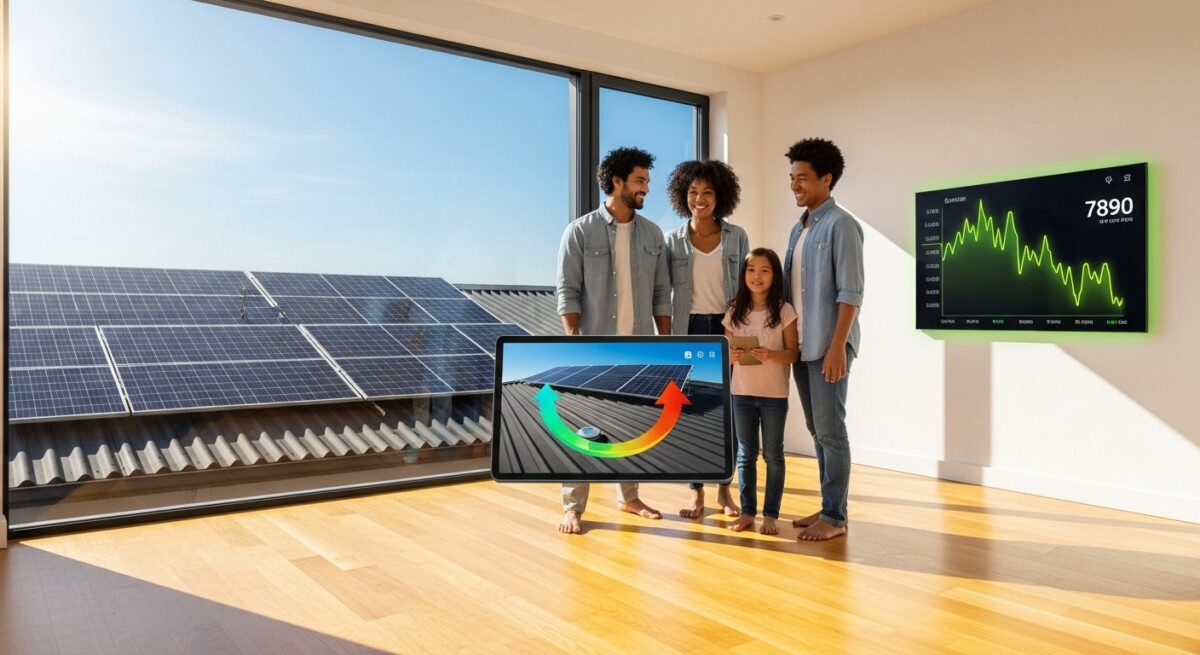
You open your monthly electric bill and feel a familiar pinch. Rates keep climbing, and you wonder if there is a way to take control. This is why more homeowners are searching for how to use ai for solar energy to lower costs and gain energy independence. The good news is that modern technology makes solar smarter, more efficient, and more affordable than ever before.
Understanding How to Use AI for Solar Energy
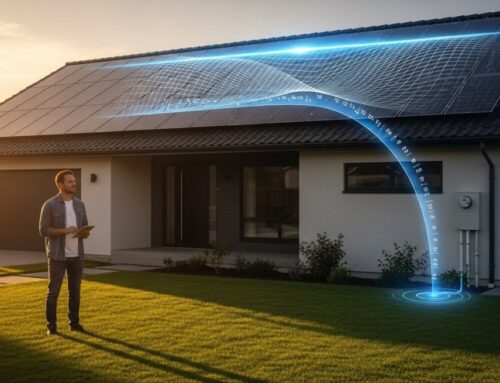
Artificial intelligence, or AI, is a tool that helps computers learn from data and make smart decisions. When applied to solar energy, AI can analyze your home’s energy usage, local weather patterns, and roof characteristics to design the most efficient system. It predicts how much electricity your panels will generate and when you will need it most.
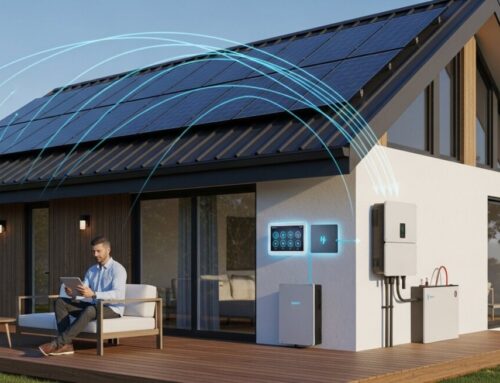
For homeowners, how to use ai for solar energy means getting a customized system that maximizes savings without guesswork. Instead of a one-size-fits-all approach, AI tailors the solution to your specific home and lifestyle. This technology is why more people are confidently making the switch to solar.
How AI Optimizes Solar Panel Performance
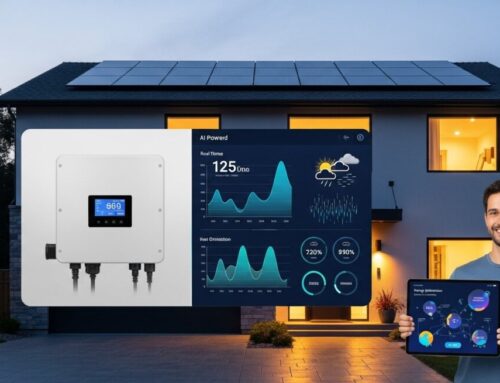
AI works by processing thousands of data points,sunlight hours, seasonal changes, and even cloud cover forecasts. It then adjusts the angle and output of your panels in real time to capture the most energy. This means your system runs at peak efficiency, reducing waste and lowering your bills.
Why Solar Energy Is Becoming More Popular
Electricity rates have risen steadily over the past decade, and many homeowners feel the strain. Solar energy offers a way to lock in lower, predictable energy costs for decades. In our guide on how do we use solar energy daily, we explain how solar powers everything from lights to appliances.
Beyond savings, environmental concerns are driving adoption. Solar reduces your carbon footprint and helps create cleaner air for your family. Long-term financial benefits also include protection from future rate hikes and a solid return on investment.
If you are considering solar power for your home, comparing installation quotes can help you understand your options. Request a free solar quote or call to learn more.
Common Questions Homeowners Have About Solar
Many homeowners wonder if solar is worth the upfront cost. The truth is that prices have dropped significantly, and federal tax credits can cover 30% of the installation. Another frequent question is whether your roof can support panels,most roofs with 15 to 20 years of life remaining work well.
People also ask about performance on cloudy days. Solar panels still generate electricity in indirect sunlight, just at a reduced rate. AI helps manage this by storing energy in batteries for use when the sun isn’t shining.
- Will solar work in my climate?
- How long does installation take?
- What happens during a power outage?
- How much maintenance is required?
- Can I add panels later?
How Solar Panel Installation Works
The process begins with a home energy assessment, where an installer reviews your electricity bills and inspects your roof. Next, they design a system that matches your energy needs and roof layout. AI tools help create this design quickly and accurately.
After the design, the installer handles permits and approvals with your local utility and government. The actual panel installation usually takes one to three days. Finally, the system is inspected and activated, and you start generating your own power immediately.
- Schedule a home energy assessment
- Review system design and equipment options
- Permits and utility approvals
- Professional panel installation
- System inspection and activation
Speaking with experienced installers can help you determine the best solar solution for your home. Compare solar quotes here or call to explore available options.
Signs Your Home May Be Ideal for Solar
Homes with south-facing roofs that get strong sunlight from mid-morning to late afternoon are prime candidates. If your electricity bills are high, solar can offset a large portion of that cost. Ample roof space,typically 300 to 500 square feet,is also important.
If you plan to stay in your home for five years or more, solar becomes a smart financial move. Many homeowners also appreciate the peace of mind that comes with energy independence.
- Unshaded roof with direct sunlight for most of the day
- Monthly electric bill over $100
- Roof in good condition with 15+ years of life left
- Plans to stay in the home long term
- Access to net metering or other incentives
What Affects Solar Installation Costs
System size is the biggest factor,larger systems to cover high energy usage cost more upfront but save more over time. Equipment quality matters too; premium panels and inverters last longer and perform better. Installation complexity, such as roof pitch or electrical panel upgrades, can also influence the price.
Local incentives and rebates can significantly lower your out-of-pocket cost. The federal solar tax credit, for example, reduces your tax liability by 30% of the system cost. To learn more about how to use ai for solar energy to optimize your investment, read our detailed guide.
The cost of solar installation varies depending on your home and energy needs. Request personalized solar quotes or call to see what options are available.
Tips for Choosing a Reliable Solar Installer
Not all solar companies are equal. Look for installers with several years of experience and strong online reviews. Ask about warranties on both the panels and the installation workmanship. A trustworthy installer will walk you through every step and answer your questions clearly.
Getting multiple quotes is the best way to ensure you get a fair price and the right system. Comparing quotes also helps you see which installers offer the best equipment and service.
- Check the installer’s licensing and insurance
- Read customer reviews on independent sites
- Ask about panel and inverter warranties
- Compare at least three quotes before deciding
Long-Term Benefits of Installing Solar Panels
Lower electricity bills are the most immediate benefit, but the savings add up over time. Many homeowners cut their electric costs by 50 to 90 percent. Solar also increases your home’s resale value,studies show buyers pay more for homes with owned solar systems.
Environmentally, every kilowatt-hour of solar energy reduces greenhouse gas emissions. You also gain energy independence, protecting your family from future rate increases. With AI optimization, your system runs at its best for 25 years or more.
Frequently Asked Questions
How does AI improve solar energy systems?
AI analyzes your home’s energy patterns and local weather to design a system that captures the most sunlight. It also adjusts panel angles and battery storage in real time to maximize efficiency. This means you save more money with less waste.
Is solar worth it if I live in a cloudy area?
Yes, solar panels still generate electricity on overcast days, just at lower output. AI can help optimize storage so you have power when you need it. Many cloudy states still offer strong financial incentives that make solar worthwhile.
How long does it take to recoup the cost of solar panels?
Most homeowners recover their investment in 6 to 10 years through lower electric bills. Federal tax credits and local rebates shorten that payback period. After that, your electricity is essentially free for the life of the system.
Do solar panels require a lot of maintenance?
Solar panels are very low maintenance. Occasional cleaning and an annual inspection are usually enough. AI monitoring can alert you to any performance issues before they become problems.
Can I install solar panels myself?
DIY installation is risky and often voids warranties. Professional installation ensures the system is safe, efficient, and code compliant. It also qualifies you for federal incentives and local rebates.
What happens to solar panels at night?
Panels do not generate electricity at night, but a battery storage system can power your home from stored daytime energy. Without batteries, you draw from the grid during nighttime hours. Net metering programs let you earn credits for excess daytime power.
Will solar work on my flat roof?
Yes, panels can be mounted on flat roofs using racking systems that tilt them toward the sun. AI can help design the optimal angle for your specific roof. Professional installers have experience with all roof types.
How do I know if my roof is strong enough for solar?
A professional installer will inspect your roof’s structure and age. Most roofs in good condition can support solar panels. If your roof needs replacement, it’s best to do that before installation.
Switching to solar is one of the smartest decisions you can make for your home and your budget. By understanding how to use ai for solar energy, you can choose a system that delivers maximum savings and reliability. Start by comparing quotes from trusted installers to find the best fit for your home.