What Is Solar Data Analytics: Cut Bills With Smart Solar
You open your monthly electricity bill and feel that familiar pinch. Rates keep climbing, and you wonder if there is a better way to power your home without being at the mercy of the grid. This is exactly why so many homeowners are searching for “what is solar data analytics” , a smart approach that goes beyond just slapping panels on your roof. By understanding how data can optimize your solar system, you can lower your electricity bills, gain energy independence, and make a sound long-term investment.
Understanding What Is Solar Data Analytics
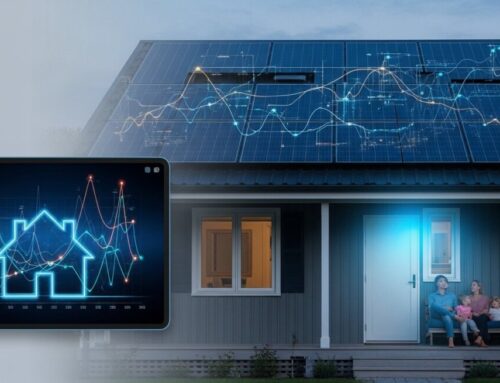
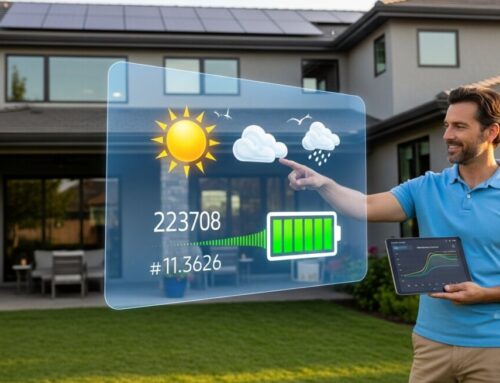
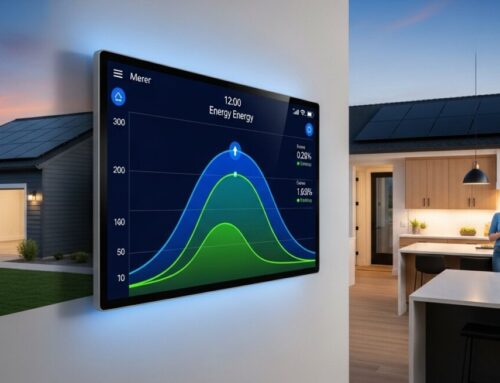
Solar data analytics is the process of collecting and analyzing information from your solar panel system to improve its performance and maximize your savings. Think of it as a fitness tracker for your home’s energy production , it monitors how much electricity your panels generate, how much you consume, and when you send power back to the grid.
This technology uses sensors, smart meters, and software to track real-time energy data. By examining patterns in sunlight, weather, and your household usage, the system can identify inefficiencies or predict maintenance needs. For homeowners, this means you are not just installing solar panels; you are installing a system that learns and adapts to your lifestyle.
More homeowners are turning to solar data analytics because it takes the guesswork out of solar ownership. Instead of wondering if your panels are working hard enough, you get clear insights that help you reduce waste and save more money each month. In our guide on AI solar analytics explained, we break down how these tools can slash your bills with smart energy management.
Why Solar Energy Is Becoming More Popular
Rising electricity costs are the number one reason homeowners switch to solar. Every year, utility rates climb, and solar offers a way to lock in lower, predictable energy expenses for decades. When you generate your own power, you are protected from those inevitable price hikes.
Environmental concerns also play a big role. Solar energy is clean, renewable, and reduces your carbon footprint. Many families feel good knowing their home runs on sunshine instead of fossil fuels. Plus, government incentives and rebates make the upfront cost far more manageable, speeding up your return on investment.
Long-term savings are hard to ignore. A well-designed solar system can pay for itself in 6 to 10 years and then deliver free electricity for another 15 to 20 years. That is thousands of dollars back in your pocket over the life of your panels.
If you are considering solar power for your home, comparing installation quotes can help you understand your options. Request a free solar quote or call to learn more.
Common Questions Homeowners Have About Solar
It is natural to have questions before making a big decision like installing solar panels. Many homeowners worry about the initial cost, whether their roof can support panels, and how the system will perform in different weather conditions. The good news is that professional solar installers address these concerns with data and experience.
Solar data analytics helps answer these questions before you commit. By analyzing your roof’s sun exposure, shading, and structural integrity, installers can design a system that fits your home perfectly. They also use historical weather data to estimate how much energy you will produce year-round.
- How much will solar panels cost for my home?
- Is my roof suitable for solar panels?
- Will solar work in cloudy or rainy weather?
- How long does it take to install solar panels?
- What happens if my panels produce more energy than I use?
- Do solar panels require a lot of maintenance?
How Solar Panel Installation Works
The solar installation process is straightforward when you work with a professional installer. It starts with a home energy assessment to understand your current electricity usage and identify ways to improve efficiency before adding solar. This step ensures you get a system sized correctly for your needs.
Next, the installer designs a custom solar system, handles permits and approvals, and schedules the installation. Once the panels are mounted and connected, the system is activated, and you start generating clean energy immediately. Solar data analytics tools then begin tracking performance from day one.
- Home energy assessment and usage analysis
- System design based on roof layout and sun exposure
- Permitting and utility approvals
- Professional panel and inverter installation
- System activation and monitoring setup
Speaking with experienced installers can help you determine the best solar solution for your home. Compare solar quotes here or call to explore available options.
Signs Your Home May Be Ideal for Solar
Not every home is perfectly suited for solar, but most are. The best candidates have roofs with strong sunlight exposure , typically south-facing with minimal shade from trees or nearby buildings. If your electricity bills are high, solar can offset a significant portion of those costs.
You also need enough roof space to accommodate the panels. A typical residential system requires about 300 to 400 square feet. If you plan to stay in your home for several more years, the long-term savings make solar a wise investment.
- Your roof gets direct sunlight for most of the day
- Your monthly electricity bills are consistently high
- You have ample, unobstructed roof space
- You plan to live in your home for 5 years or more
- Your local utility offers net metering or solar incentives
What Affects Solar Installation Costs
The cost of a solar system varies based on several factors. System size is the biggest driver , a larger home with higher energy needs requires more panels, which raises the price. Equipment quality also matters; premium panels and inverters cost more but often deliver better efficiency and longer warranties.
Installation complexity can affect pricing too. A simple roof with easy access is cheaper to install than a complex, multi-story roof with multiple angles. Local incentives and rebates can significantly lower your out-of-pocket costs, so it pays to research what is available in your area.
Using solar data analytics, installers can accurately estimate your system’s performance and payback period. This data helps you make an informed decision about which equipment and financing options offer the best value for your situation.
The cost of solar installation varies depending on your home and energy needs. Request personalized solar quotes or call to see what options are available.
Tips for Choosing a Reliable Solar Installer
Choosing the right installer is just as important as choosing the right equipment. Look for companies with solid experience, positive customer reviews, and proper certifications. A reputable installer will walk you through the entire process and answer all your questions without high-pressure sales tactics.
Always check warranties , both on the panels and the installation workmanship. A good installer stands behind their work and offers ongoing support. Comparing multiple quotes is the best way to find the right balance of quality and price for your home.
- Review the installer’s experience and track record
- Check warranty coverage for panels, inverters, and labor
- Read customer reviews on independent platforms
- Compare at least three quotes before making a decision
Long-Term Benefits of Installing Solar Panels
The most obvious benefit is lower electricity bills. Once your system is paid off, the energy it produces is essentially free. Over 25 years, that can add up to tens of thousands of dollars in savings. Solar also increases your home’s resale value, making it more attractive to buyers who want lower utility costs.
Beyond financial gains, solar gives you energy independence. You are less affected by grid outages and rate increases. And by generating clean power, you are helping reduce greenhouse gas emissions and protecting the environment for future generations. With solar data analytics, you can track these benefits in real time.
For a deeper look at how solar data predicts your savings, check out our article on AI solar forecasting explained , it shows how smart forecasting can boost your home energy savings even further.
FAQs About Solar Energy and Solar Data Analytics
What is solar data analytics in simple terms?
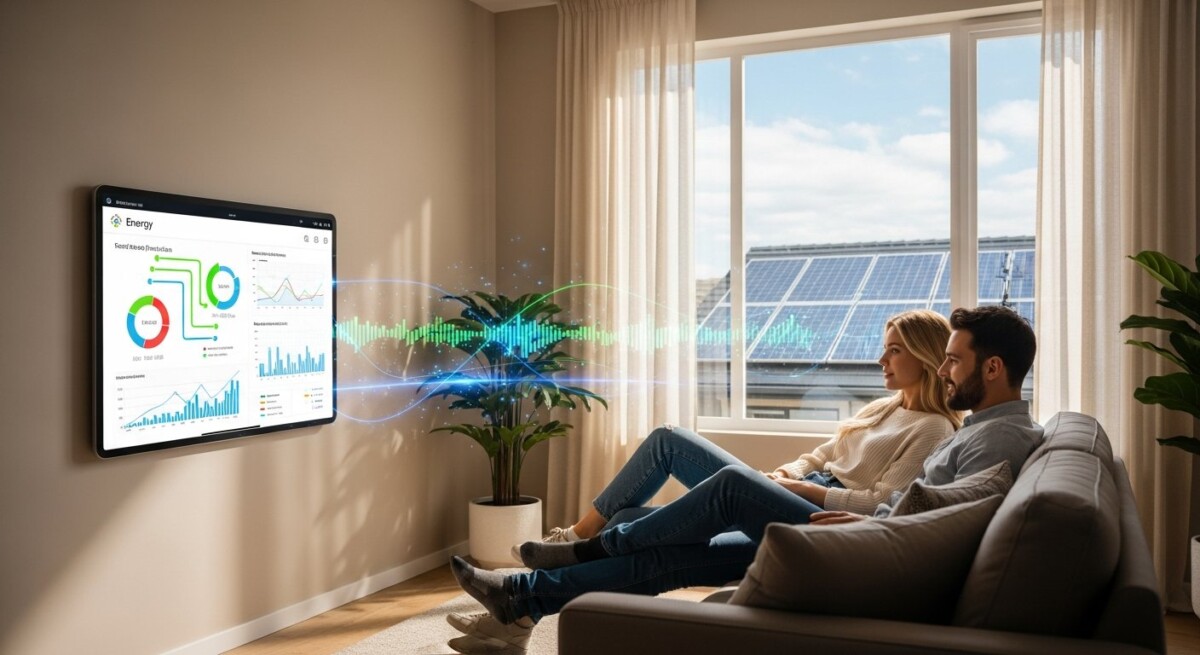
Solar data analytics is the use of software and sensors to monitor your solar panel system’s performance. It tracks how much energy your panels produce, how much you use, and identifies ways to save more money. Think of it as a smart dashboard for your home’s energy.
How can solar data analytics help me save on electricity bills?
By analyzing your energy production and consumption patterns, solar data analytics shows you when to run high-energy appliances to maximize solar usage. It also alerts you to system issues before they become costly problems. This optimization can reduce your bills by 20% or more beyond standard solar savings.
Do I need special equipment for solar data analytics?
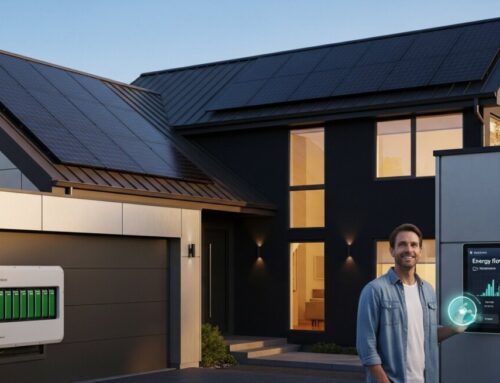
Most modern solar systems include a monitoring device or smart inverter that collects data. Many installers provide a mobile app or web portal to view your energy data. If your system is older, you can often add monitoring equipment separately.
How long does it take to recoup the cost of solar panels?
The payback period typically ranges from 6 to 10 years, depending on your electricity rates, system size, and available incentives. Solar data analytics can help you track your actual savings and see exactly when you break even.
What happens to solar data analytics if the internet goes out?
Most monitoring systems store data locally and upload it once the internet connection is restored. Your solar panels will continue generating electricity even without an internet connection. The analytics features simply resume tracking when connectivity returns.
Can solar data analytics predict maintenance issues?
Yes. By monitoring performance trends, the system can detect drops in efficiency that may indicate dirty panels, shading changes, or equipment problems. Early alerts let you address issues quickly, keeping your system running at peak performance.
Is solar data analytics worth it for a small home?
Absolutely. Even a small solar system benefits from performance monitoring. You will see exactly how much you save each month and can adjust your habits to maximize those savings. The analytics tools are typically included with the system at no extra cost.
How do I choose the right solar system size for my home?
A professional installer uses your historical electricity bills and a solar data analytics tool to calculate the ideal system size. They consider your roof space, sun exposure, and energy goals. Comparing quotes from multiple installers helps ensure you get an accurate recommendation.
Solar energy is a practical, long-term solution for lowering your electricity bills and gaining energy independence. By understanding what is solar data analytics and how it optimizes your system, you can make a confident decision that benefits your wallet and the planet. The best next step is to compare installation quotes from trusted professionals to find the right system for your home.