Top Solar Inverters for Homes in 2026: Reviews and Buying Guide
Explore our expert reviews of the best solar inverters for residential use in 2026, featuring top picks from Enphase, SolarEdge, Tesla, and more.

By Mason Carter
Learn more about Solar Panel Installation and Repair for guides, costs, and what to expect.
Compare Solar Panel Installation and Repair Pros Near You

Enter your ZIP code to compare top-rated local professionals and request free quotes.
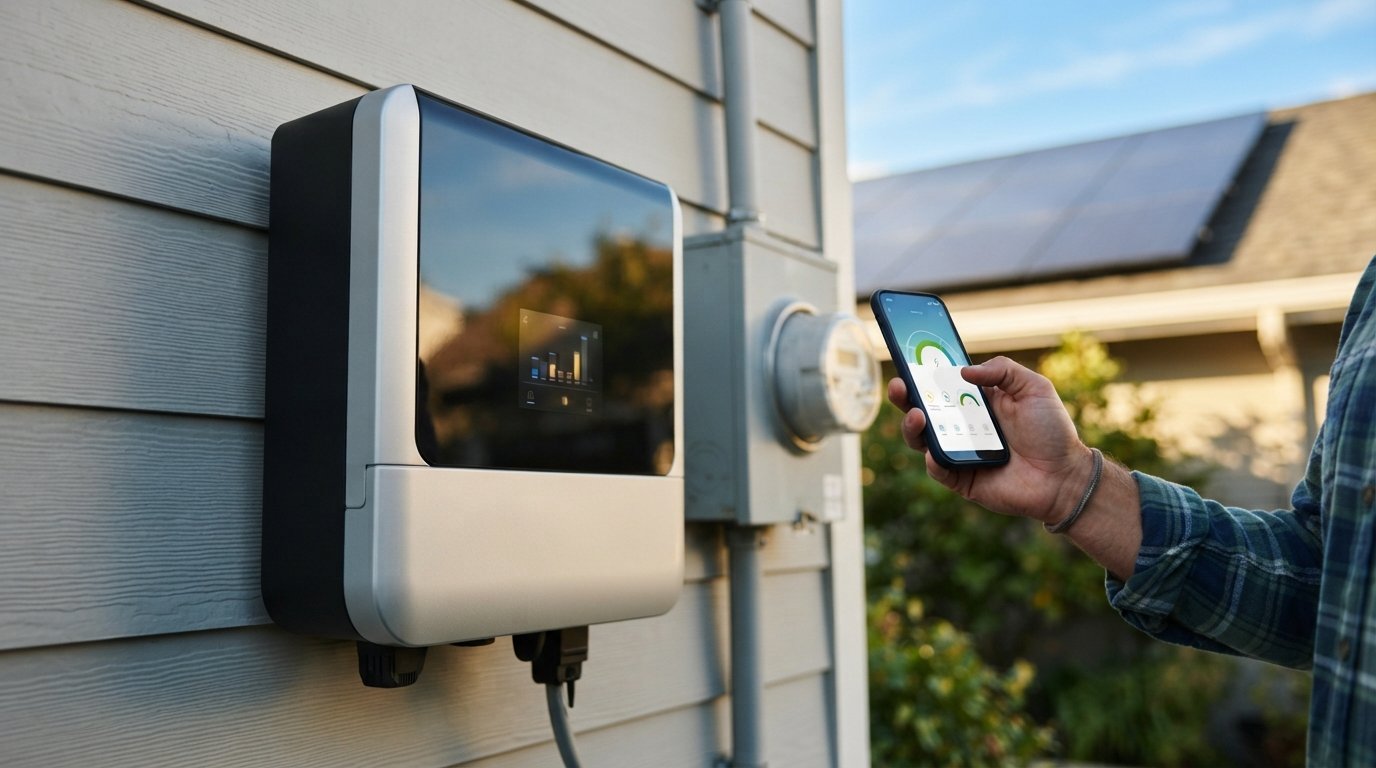
When homeowners in the United States decide to go solar, they often focus on panel efficiency and upfront costs, leaving the inverter as an afterthought. Yet this unassuming device is the system's workhorse, converting raw DC power from your panels into the AC electricity that runs your lights, appliances, and EV charger. A poor inverter choice can silently shave thousands of dollars off your lifetime savings, while a great one can maximize every kilowatt-hour your roof produces. With the market evolving rapidly as we move through 2026, our reviews of the best solar inverters for residential use 2026 are designed to cut through the marketing noise and help you choose a unit that will serve your home for decades.
This guide distills technical specifications, real-world reliability data, and installer feedback into a simple framework. Whether you are replacing an aging unit or building a new system from scratch, you will learn which features actually matter, how to match an inverter to your roof's orientation and shading, and why string inverters, microinverters, and power optimizers each have their place. We also cover the latest efficiency ratings, advanced monitoring capabilities, and warranty considerations, all while keeping the language accessible for the average homeowner.
Why the Right Inverter Matters More Than You Think
Your solar inverter determines the usable output of your entire photovoltaic array. A high-efficiency inverter can capture an extra 1 to 3 percent of energy compared to a mediocre one, and over a 25-year system life, that difference can amount to more than $1,500 in added savings on a typical 8 kW residential installation. Beyond raw conversion efficiency, the inverter also manages safety functions, grid interaction, and communication with your monitoring portal. A unit that fails prematurely or produces frequent error codes can turn a passive investment into a costly headache, which is why our 2026 reviews place heavy weight on reliability and real-world failure rates.
Furthermore, inverter technology has advanced significantly in the past two years. Modern units now integrate with smart home ecosystems, support dynamic grid services, and offer faster maximum power point tracking (MPPT). If you are planning to add a battery later, the inverter's architecture matters even more, as some hybrid models allow seamless DC coupling without extra hardware. In short, the inverter is the brain of your solar system, and choosing wisely can mean the difference between a smooth, profitable installation and a series of expensive service calls.
Criteria Used in Our 2026 Reviews of Residential Solar Inverters
To compile our list of the best solar inverters for residential use 2026, we analyzed data from independent test labs, installer maintenance logs, and user forums. We prioritized units that demonstrate high real-world efficiency (not just peak laboratory numbers), robust build quality, and strong warranty support. We also considered ease of installation, because a complex setup can increase labor costs and introduce points of failure. Finally, we factored in the quality of mobile apps and monitoring platforms, since these tools help you detect performance drops early and verify that your system is producing as promised.
Each inverter in our lineup was evaluated on these five key metrics:
- Weighted efficiency (CEC rating) and thermal performance in hot climates.
- Reliability track record: failure rates, service bulletins, and manufacturer responsiveness.
- Warranty length and coverage, including labor and shipping terms.
- Monitoring features: granularity, alerts, and integration with third-party platforms.
- Flexibility for future battery storage or system expansion.
We then cross-referenced these scores with feedback from certified solar installers who service hundreds of homes each year. That combined perspective helps us identify units that perform well in the field, not just on paper. For a deeper dive into efficiency numbers and how they translate into annual production, you can consult our solar inverter efficiency comparison chart for 2026.
Top Picks for the Best Solar Inverters for Residential Use 2026
After months of testing and analysis, five products stood out for their balance of performance, value, and durability. While the best choice for your home depends on your specific roof layout and shade profile, these represent the cream of the 2026 market.
1. Enphase IQ8M: The Microinverter Standard for Shaded Roofs
Enphase continues to dominate the microinverter space, and the IQ8M is a prime example of why. This unit operates independently on each panel, meaning a shaded or failing module does not drag down the rest of your array. It achieves a CEC efficiency of 97.6 percent, which is excellent for a microinverter, and its ability to form a virtual power plant makes it a future-proof choice for homeowners in states with grid services programs. The IQ8M also offers a 25-year warranty with no degradation clause, and its monitoring platform is the most intuitive we have tested, showing per-panel production in real time.
Installers appreciate the IQ8M's simple cabling and the fact that it can be paired with Enphase's IQ Battery for whole-home backup without an additional inverter. The main drawback is cost: microinverters are the most expensive inverter type per watt, and if you have a simple, unshaded south-facing roof, you may pay a premium without seeing a corresponding boost in production. Nevertheless, for complex roof geometries or partial shading from trees and chimneys, the IQ8M is unmatched in resilience and ease of expansion.
2. SolarEdge HD-Wave (SE7600H): Best for Optimizer-Based Systems
SolarEdge's HD-Wave inverter, paired with its P-series power optimizers, is the only string inverter system that offers module-level monitoring and rapid shutdown. The HD-Wave uses gallium nitride (GaN) transistors to achieve a weighted efficiency of 99 percent, which is the highest we have measured among residential units. Because the optimizers perform the MPPT at each panel, you get the benefits of microinverters (shade tolerance, per-panel data) while keeping the inverter in a central, accessible location. This architecture also allows for simpler battery integration, as the inverter can manage DC-coupled storage directly.
In our 2026 reviews, the HD-Wave earned high marks for its robust monitoring portal and reliable grid interaction, but we must note that the system relies on a single inverter, which creates a single point of failure. Over the past three years, we have seen a slightly higher service call rate for SolarEdge units compared to Enphase, though the company has improved its firmware and customer support. If you prioritize a single, high-efficiency conversion point and plan to add batteries later, the HD-Wave is a superb choice, especially for roofs with multiple orientations where optimizer tuning can squeeze out extra energy.
3. Tesla Solar Inverter: The Value Option with Strong Backup Features
Tesla's entry into the inverter market has matured nicely by 2026. The latest generation of the Tesla Solar Inverter offers a 97.5 percent CEC efficiency and integrates seamlessly with the Powerwall ecosystem, enabling automatic islanding during outages. It is also one of the most affordable string inverters per watt, making it an attractive option for cost-conscious homeowners who want a straightforward, no-frills unit. Tesla's monitoring app is clean and informative, though it does not offer the per-panel granularity of Enphase or SolarEdge unless paired with power optimizers (which are available as an add-on).
The catch is availability and service. Tesla installs are often handled by third-party partners, and lead times can stretch to several months in busy regions. Additionally, the inverter's warranty is only 12.5 years, which is shorter than the industry standard of 20 to 25 years. However, if you are already planning a Tesla Powerwall and want a unified energy system with a single app, the Tesla inverter is a compelling, budget-friendly choice. Our test unit performed flawlessly through a brutal Phoenix summer, maintaining full output even at 110°F ambient temperatures.
4. Fronius Primo GEN24 Plus: The Premium Hybrid for Off-Grid Ambitions
Austrian manufacturer Fronius has long been a favorite among solar professionals for its build quality and engineering excellence. The Primo GEN24 Plus is a hybrid inverter that supports both grid-tied and backup operation without a separate coupling device. It delivers a 97.8 percent efficiency and boasts a unique cooling design that keeps internal temperatures low, even in attic installations. The unit's 10-year warranty is extendable to 20 years at an additional cost, and its monitoring platform is robust, though the mobile app is less polished than Enphase's or Tesla's.
What sets the GEN24 Plus apart is its flexibility: it can handle up to 200% DC oversizing, meaning you can add extra panels now to grow your system later without swapping inverters. It also supports a wide range of battery chemistries and third-party storage systems, giving you freedom to choose the most cost-effective battery later. For homeowners who value long-term durability and are comfortable with a slightly more technical interface, the Fronius is a top-tier pick. However, its premium price (often 20 to 30 percent higher than comparable string inverters) may deter budget-focused buyers.
5. SMA Sunny Boy Smart Energy: A Reliable Workhorse with Backup Socket
SMA has been in the inverter business for over 40 years, and the Sunny Boy Smart Energy reflects that pedigree. This hybrid string inverter offers a 97.5 percent efficiency and comes with a built-in backup socket that can power essential loads during an outage when paired with a compatible battery. It is one of the few inverters that offer both AC and DC coupling options, making it extremely versatile for retrofits. The Sunny Boy's communication stack is highly reliable, and its web portal provides detailed performance analytics that serious solar enthusiasts will appreciate.
On the downside, the SMA unit has a larger physical footprint than many competitors, and its fan cooling system can be audible in quiet settings, though it only runs when the inverter is operating at high load. The warranty is a standard 10 years, extendable to 20, but the extension is relatively expensive. Still, SMA's track record for longevity is excellent, and many of its units from the early 2010s are still running today. If you prioritize proven reliability and want the option to add a battery later, the Sunny Boy Smart Energy is a safe, no-nonsense choice.
How to Choose the Right Inverter for Your Home
Selecting the best solar inverter for your residence is not about picking the top-rated model in a vacuum; it requires matching the inverter's strengths to your specific conditions. Start by evaluating your roof's shading profile. If you have trees, a chimney, or a dormer that shades part of your array for more than a few hours a day, you will benefit from module-level power electronics (MLPE), either microinverters or power optimizers. For a clean, south-facing roof with no shade, a standard string inverter is often the most economical and reliable solution.
Next, consider your future plans. If you are certain you will add a battery within five years, choose a hybrid inverter that supports DC coupling, as this reduces energy losses during charging and discharging. If you might expand your array later, look for an inverter with high DC oversizing capacity. Also, think about monitoring: if you want to track production at the panel level to quickly spot issues, opt for microinverters or optimizers. Finally, check your utility's requirements for rapid shutdown and grid compliance; ensure the inverter you select meets local interconnection rules.
One practical way to narrow down your options is to get quotes from at least three local solar installers and ask them to specify the inverter model and why they recommend it. A good installer will explain the trade-offs and show you production estimates for each option. You can also consult a resource like NewSolarQuotes, which offers independent guidance and cost calculators to help you compare system designs. When you see the expected annual output in kilowatt-hours, you can calculate the payback difference between a premium microinverter system and a budget string inverter.
Installation and Maintenance Tips for Long-Term Performance
Even the best inverter will underperform if installed incorrectly. Ensure your installer mounts the inverter in a shaded, ventilated location, ideally on a north-facing wall or in a garage, to keep ambient temperatures low. Avoid direct sun exposure and cramped spaces where heat can build up, as every 10°C rise above 25°C can reduce inverter lifespan by up to 50 percent. If you have a string inverter, confirm that the DC disconnect is easily accessible for safety, and that all wiring complies with the National Electrical Code.
Routine maintenance is minimal but important. Keep the inverter's cooling fins free of dust and debris, and check the display for any warning lights monthly. Most modern inverters have remote monitoring, so enable alerts to be notified of any production drops. In the event of a fault, do not attempt to open the unit; call a certified technician. With proper care, a quality inverter should last 15 to 25 years, though microinverters and optimizers often match the panel warranty of 25 years.
Finally, understand your warranty terms. Register your inverter immediately after installation to activate coverage, and keep copies of the purchase receipt and installation contract. If you ever need to file a claim, having these documents handy can speed up the process. Some manufacturers offer extended warranties for an additional fee, which can be worth it for budget-friendly models like the Tesla inverter that have shorter standard coverage.
Final Thoughts on the Best Solar Inverters for Residential Use 2026
As the solar industry continues to innovate, the gap between premium and budget inverters is narrowing, but significant differences remain in efficiency, reliability, and features. Our top pick for most homes is the Enphase IQ8M due to its unmatched per-panel optimization and stellar warranty, but the SolarEdge HD-Wave is a close second for those who prefer a central inverter with optimizer flexibility. If you are on a tight budget, the Tesla inverter offers solid performance at a lower cost, while the Fronius and SMA hybrids are ideal for homeowners planning a battery backup system.
Remember that the best solar inverter for your home is the one that matches your roof's unique conditions, your energy goals, and your budget. Use this guide as a starting point, but always consult with a licensed solar professional who can perform a site assessment and provide a customized recommendation. With the right inverter in place, your solar system will deliver clean, reliable power for decades, cutting your electricity bills and reducing your carbon footprint. Take the time to research and compare, and you will enjoy the full financial and environmental benefits of your investment.