Resilient Home Electrical Systems: Solar Backup and Security
A resilient home electrical system with solar backup and security integration keeps your family safe and powered during outages. Explore the benefits.

By Dylan Harris
Learn more about Solar Panel Installation and Repair for guides, costs, and what to expect.
Compare Solar Panel Installation and Repair Pros Near You

Enter your ZIP code to compare top-rated local professionals and request free quotes.
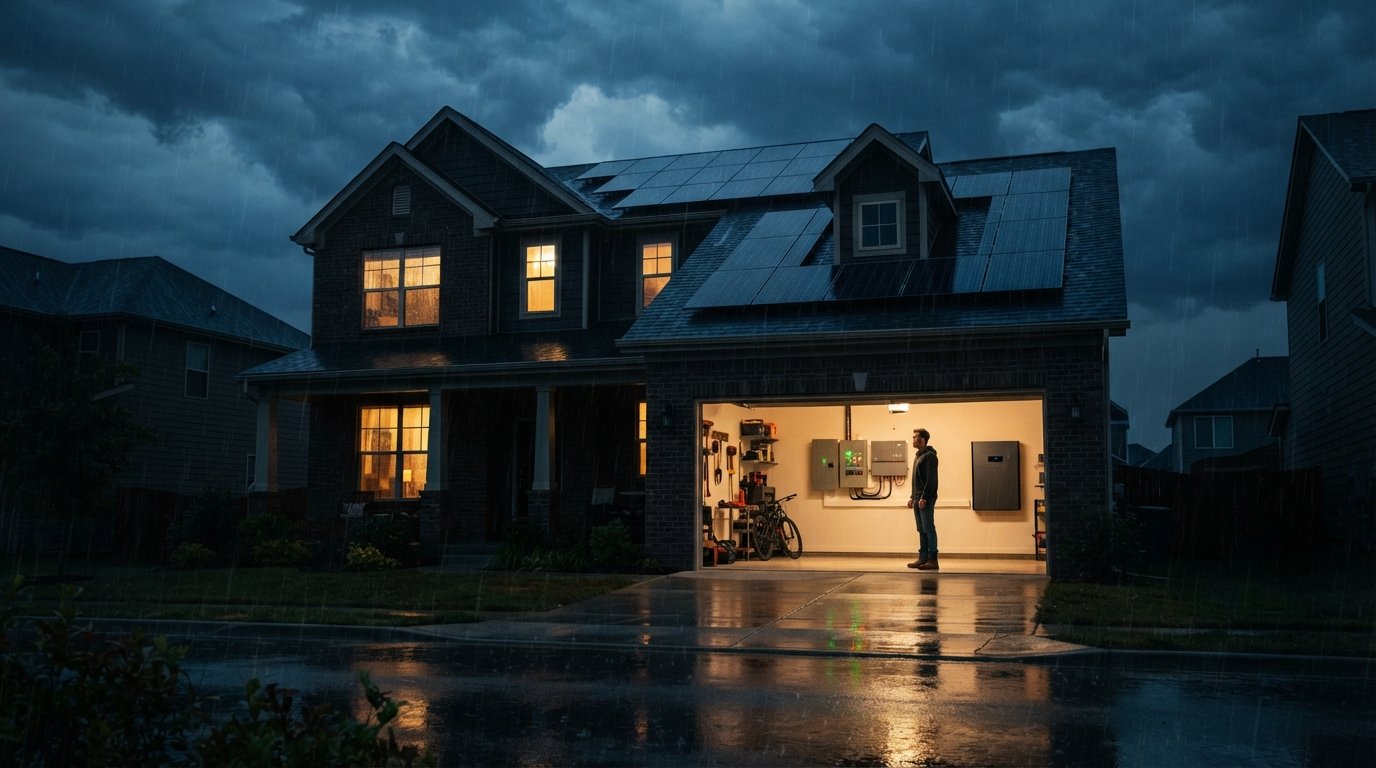
A flicker of the lights during a storm is a familiar annoyance, but for a growing number of homeowners, it is a signal of a deeper vulnerability. The modern home is a complex network of sensitive electronics, life-supporting medical devices, and security systems that all depend on a stable grid. When that grid fails, whether from extreme weather, a cyberattack, or an aging infrastructure, the consequences go beyond spoiled food. A resilient home electrical system, powered by solar energy and integrated with smart security, transforms your house from a passive consumer into a self-sufficient fortress. This approach does not just keep the lights on; it ensures your family's safety, protects your property, and provides peace of mind in an unpredictable world.
The Core Components of a Resilient Electrical System
Building resilience starts with understanding the three pillars that support it: solar generation, battery storage, and intelligent management. A traditional grid-tied solar system without a battery is designed to shut down during a blackout to protect utility workers. This is a critical safety feature, but it leaves you without power. To achieve true resilience, you need a system that can operate independently, known as islanding. This requires a solar array paired with a battery bank and a smart inverter or transfer switch.
The solar panels act as your personal power plant, converting sunlight into electricity. The battery stores excess energy for use at night or during outages. The smart inverter is the brain of the operation, deciding when to draw from the grid, the battery, or the sun. It also manages the critical task of disconnecting from the grid safely during an outage. For homeowners in the United States, the federal Investment Tax Credit (ITC) can significantly offset the cost of these components. You can find current details on the Incentives & Rebates Guide. When these elements work together, your home becomes a microgrid capable of sustaining itself.
However, resilience is not just about generation. It is also about consumption. A resilient home electrical system includes energy-efficient appliances and smart lighting that reduce the load on your backup power. Integrating your security system into this ecosystem ensures that your most critical defenses remain active. This holistic approach is what separates a simple backup generator from a truly resilient electrical infrastructure.
How Solar Backup Power Keeps You Safe During Outages
When the grid goes down, a solar battery backup system seamlessly takes over. Unlike a noisy, fuel-dependent generator, a solar-plus-storage system is silent, emission-free, and requires no manual intervention. It can power your essential circuits, such as your refrigerator, internet router, medical equipment, and security cameras, for days or even weeks if the sun continues to shine. This level of autonomy is particularly valuable in regions prone to hurricanes, wildfires, or winter storms.
The key to a successful backup setup is proper sizing and circuit management. You do not need to power your entire house, but you do need to prioritize. A professional energy audit, like those offered through SolarEnergy.ai, can identify your critical loads and help you design a system that meets your specific needs. For example, a family with a home office and a medical device will have different priorities than a retired couple focused on heating and cooling. The goal is to maximize the duration of your backup by powering only what matters most.
Furthermore, modern solar backup systems can be integrated with AI energy management platforms. These systems learn your usage patterns and automatically adjust your battery reserves to ensure you have power when you need it most. For a deeper dive into this technology, you can read How AI Improves Energy Efficiency for Home Solar. By anticipating weather events and grid instability, an AI-driven system can prioritize charging your battery before a storm hits, giving you a crucial buffer against extended outages.
Integrating Security Systems with Solar Backup
Your home security system is only as reliable as its power source. During a blackout, burglars may see an opportunity, but a solar-backed security system remains vigilant. This integration goes beyond simply plugging your cameras into a battery. It involves creating a dedicated power circuit for your security devices, ensuring they are the last to lose power and the first to be restored. This can include cameras, motion sensors, alarm panels, and smart locks.
When your security system is tied into your solar backup, you can also leverage advanced features. For instance, if an intruder cuts your main power line, your system can instantly switch to battery and send an alert to your phone. Some systems can even trigger bright emergency lighting, which is a service that SolarEnergy.ai provides, to deter intruders. The combination of solar backup and security integration creates a powerful deterrent and a safer environment for your family.
To ensure seamless operation, the integration should be planned from the start. If you are upgrading your electrical panel or installing a new solar system, this is the ideal time to designate a critical loads subpanel that includes your security equipment. This subpanel is powered directly by your battery, so even if the rest of the house goes dark, your security remains online. This level of preparation is what defines a resilient home electrical system.
Designing Your Resilient System: A Step-by-Step Approach
Creating a resilient home electrical system is a project that requires careful planning. It is not a one-size-fits-all solution, but a custom design based on your home, your family, and your risk tolerance. The process begins with an assessment and ends with a system that you can rely on for decades. Here is a framework to guide you through the key decisions.
- Conduct a Home Energy Audit: Identify your critical loads and energy usage patterns. This will determine the size of your solar array and battery. A professional audit can also reveal inefficiencies that can be addressed to reduce your overall demand.
- Determine Your Backup Goals: Decide what you want to power during an outage and for how long. Do you need to run a sump pump, a medical device, or a home office? Your goals will dictate the battery capacity and inverter size.
- Choose the Right Equipment: Select solar panels, a battery system, and an inverter that are compatible and scalable. Look for products with strong warranties and a track record of reliability. Your installer can help you compare options.
- Integrate Security and Smart Controls: Plan for a dedicated circuit for security devices and consider a smart home energy management system that can coordinate all your devices.
- Work with a Certified Installer: Proper installation is crucial for safety and performance. Connect with vetted solar professionals through platforms like FreeSolarPowerQuotes to get multiple quotes and ensure quality workmanship.
After the installation, regular maintenance and monitoring are essential. Your system should be inspected annually to ensure it is operating at peak efficiency. Many modern systems offer remote monitoring, allowing you and your installer to spot issues before they become problems. This proactive approach extends the life of your system and ensures it is ready when you need it most.
The Financial and Practical Benefits of Resilience
Investing in a resilient electrical system is not just about emergency preparedness; it also offers tangible financial benefits. By generating your own power, you reduce your reliance on the grid and protect yourself from rising electricity rates. In many states, you can also take advantage of net metering, which credits you for excess energy you send back to the grid. Combined with federal and state incentives, these savings can significantly shorten your payback period.
Beyond the numbers, there is the practical value of uninterrupted power. For families with medical needs, a resilient system is a lifeline. For remote workers, it means no lost productivity. For anyone who values comfort and security, it means peace of mind. As the grid becomes more strained by extreme weather and increasing demand, the value of self-sufficiency will only grow. A resilient home electrical system is an investment in your property and your quality of life.
When you consider the full scope of benefits, from safety to savings, the case for solar backup and security integration is compelling. It is a modern solution for modern challenges, turning your home into a beacon of stability in an uncertain world. With the right planning and partners, you can achieve a level of energy independence that was once reserved for the off-grid elite, now available to any homeowner ready to take control.