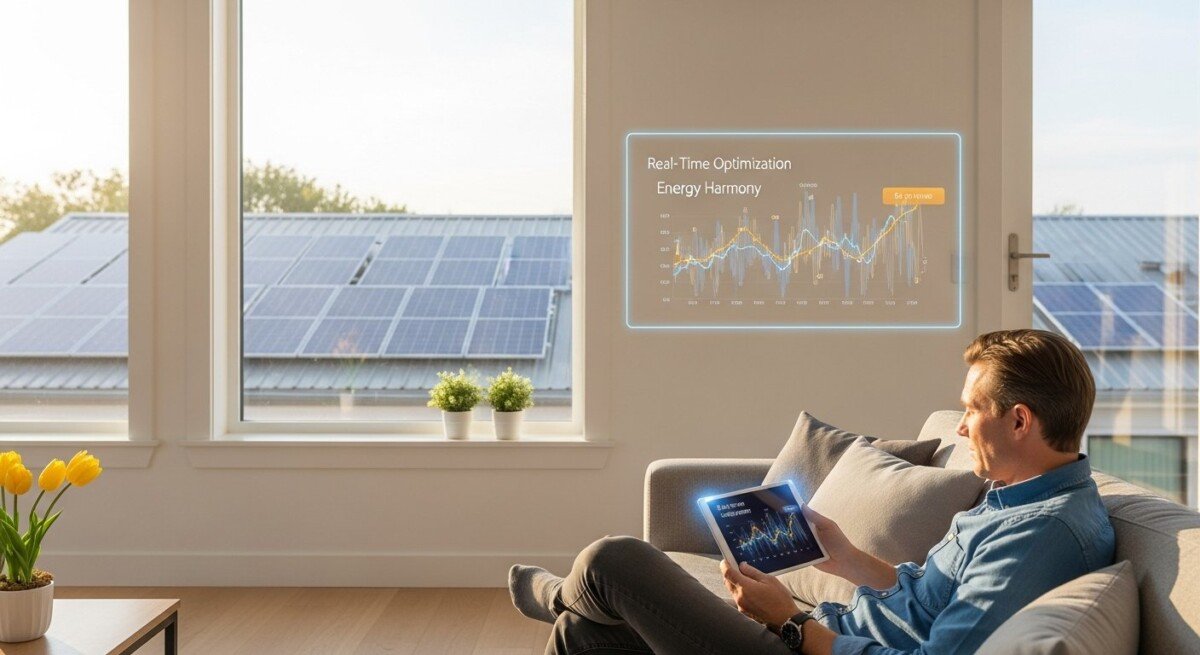
How AI Improves Energy Efficiency for Home Solar
Discover how AI improves energy efficiency for home solar systems, reduces electricity bills, and helps homeowners compare installation quotes for long-term savings.

By Dylan Harris
Learn more about Solar Panel Installation and Repair for guides, costs, and what to expect.
Compare Solar Panel Installation and Repair Pros Near You

Enter your ZIP code to compare top-rated local professionals and request free quotes.
You open your monthly electricity bill and feel a familiar sting. Rates keep climbing, and you wonder if there is a way to take control. That is why many homeowners are searching for how AI improves energy efficiency, especially when paired with solar power. The idea of shrinking your bills and becoming less dependent on the grid is more appealing than ever.
Understanding how ai improves energy efficiency
Artificial intelligence, or AI, might sound like something from a sci-fi movie, but it is already working quietly in homes like yours. In simple terms, AI is a set of smart algorithms that learn from your energy usage patterns. It analyzes data from your solar panels, weather forecasts, and household habits to make real-time decisions that save power.
For example, an AI-powered solar system can predict when clouds will roll in and adjust battery storage accordingly. It can also shift energy-intensive tasks, like running your dishwasher, to times when your panels are generating the most electricity. Over a year, these small adjustments add up to noticeable savings on your electricity bills.
More homeowners are turning to AI-enhanced solar because it turns a static system into a dynamic one. Instead of just generating power, your setup actively optimizes every kilowatt-hour. This is a key reason why solar is no longer just about panels on a roof,it is about smart energy management.
Why Solar Energy Is Becoming More Popular
Electricity prices have risen steadily over the past decade, and many families feel the pinch. Solar energy offers a way to lock in lower rates and protect yourself from future hikes. At the same time, growing awareness of climate change pushes homeowners toward cleaner energy sources.
Long-term savings are a major draw. While the upfront cost of solar panels can feel significant, the average homeowner recovers that investment through lower utility bills within 6 to 10 years. After that, your electricity is essentially free for the remaining life of the system, which can exceed 25 years.
Government incentives and rebates sweeten the deal. The federal solar investment tax credit (ITC) currently allows you to deduct 30% of your installation costs from your taxes. Many states and local utilities offer additional rebates, making solar more affordable than ever.
If you are considering solar power for your home, comparing installation quotes can help you understand your options. Request a free solar quote or call (888) 555-0199 to learn more.
Common Questions Homeowners Have About Solar
It is natural to have questions before making a big investment. Many homeowners worry about the upfront installation cost and whether their roof can support solar panels. Others wonder how the system will perform during cloudy days or in winter.
Professional solar installers address these concerns during a home energy assessment. They evaluate your roof’s age, angle, and shading, then design a system tailored to your home. Modern solar panels are efficient even in diffuse light, and battery storage can keep your home powered through the night.
- How much does a typical solar system cost?
- Will my roof need repairs before installation?
- How long does the installation process take?
- What happens if my panels produce more power than I use?
- Do solar panels work during a power outage?
- Are there financing options available?
How Solar Panel Installation Works
The process starts with a free consultation and home energy assessment. An installer reviews your electricity bills, measures your roof, and discusses your energy goals. This step ensures the system is sized correctly for your needs.
- Home energy assessment , Review past bills and inspect your roof and electrical panel.
- System design , The installer creates a custom layout for your panels and battery.
- Permits and approvals , The installer handles paperwork with your city and utility company.
- Panel installation , A crew mounts the panels, connects wiring, and installs the inverter.
- System activation , Final inspections pass, and your utility grants permission to operate.
Most installations are completed in one to three days. After activation, you can monitor your energy production and savings through a smartphone app. Many homeowners are surprised by how seamless the experience is.
Speaking with experienced installers can help you determine the best solar solution for your home. Compare solar quotes here or call (888) 555-0199 to explore available options.
Signs Your Home May Be Ideal for Solar
Not every home is equally suited for solar, but many are. The most important factor is sunlight exposure. A south-facing roof with minimal shade from trees or nearby buildings will generate the most power.
Your current electricity bill is another clue. If you pay $100 or more per month, solar can likely reduce that amount significantly. Also, if you plan to stay in your home for at least five more years, you will have enough time to recoup your investment through savings.
- Your roof gets at least four hours of direct sunlight most days.
- You have high monthly electricity bills.
- Your roof is in good condition and has at least 10 years of life left.
- You live in a state with net metering or other solar incentives.
- You plan to own your home for the long term.
- Your home is located in a sunny region like the Southwest.
What Affects Solar Installation Costs
The cost of a solar system depends on its size, which is measured in kilowatts (kW). A typical residential system ranges from 5 kW to 10 kW and costs between $15,000 and $25,000 before incentives. Equipment quality also matters,premium panels and inverters cost more but offer higher efficiency and longer warranties.
Installation complexity can drive up the price. A simple roof with easy access is cheaper to work on than a steep, multi-story roof with complex angles. Local labor rates and permitting fees vary as well. The good news is that the federal tax credit and state rebates can reduce your out-of-pocket cost by 30% or more.
The cost of solar installation varies depending on your home and energy needs. Request personalized solar quotes or call (888) 555-0199 to see what options are available.
Tips for Choosing a Reliable Solar Installer
Choosing the right installer is just as important as choosing the right equipment. A reputable company will have years of experience, proper licensing, and a portfolio of completed projects. They should also offer strong warranties on both the panels and the workmanship.
Reading customer reviews on platforms like Google and the Better Business Bureau can give you a sense of the company’s reliability. Most importantly, never settle for the first quote you receive. Comparing multiple quotes lets you see differences in pricing, equipment, and service.
- Verify the installer’s license and insurance.
- Ask about equipment warranties (panels, inverter, battery).
- Read recent customer reviews and testimonials.
- Request a detailed written estimate with all costs.
- Compare at least three quotes before making a decision.
Long-Term Benefits of Installing Solar Panels
Lower electricity bills are the most immediate benefit, but the savings compound over time. A typical homeowner saves $20,000 to $40,000 over the 25-year life of a solar system. Your home’s resale value also increases,studies show that homes with solar panels sell for 4% more on average.
Beyond finances, solar gives you energy independence. You become less vulnerable to utility rate hikes and grid outages. Environmentally, every kilowatt-hour of solar power reduces carbon emissions, helping to combat climate change. It is a practical way to align your home with your values.
In our guide on how AI improves energy efficiency, we explain how smart technology can boost your savings even further. The combination of solar panels and AI-powered management is the most effective way to reduce your electricity bills and your carbon footprint.
How long do solar panels last?
Most solar panels come with a 25-year performance warranty, and they often continue generating power for 30 years or more. Their efficiency does decline slightly each year,about 0.5% annually,so after 25 years, they still produce around 88% of their original output.
Can I install solar panels myself?
While DIY solar kits exist, professional installation is strongly recommended. Licensed installers handle complex electrical work, secure permits, and ensure the system meets local codes. Mistakes can void warranties, create safety hazards, or result in lost incentives.
Will solar panels work during a blackout?
Standard grid-tied solar systems shut down during a blackout to protect utility workers. If you want backup power, you need a battery storage system. Many AI-powered batteries can detect an outage and automatically switch to backup mode.
How much can I save on my electricity bill?
Savings vary based on your location, system size, and local electricity rates. On average, homeowners reduce their electricity bills by 50% to 90%. In sunny states with high rates, some households achieve net-zero bills,meaning they pay only a small connection fee.
Do I need to clean my solar panels?
Rain usually keeps panels clean enough for efficient operation. In dusty areas or during dry spells, occasional cleaning with a hose can help. Most AI monitoring systems will alert you if a panel’s output drops unexpectedly, signaling that it needs attention.
What is net metering?
Net metering is a billing arrangement that credits you for excess electricity your solar panels send to the grid. When your panels produce more power than you use, the meter runs backward. You can then use those credits later, such as at night or during cloudy weather.
Are there government incentives for solar?
Yes. The federal solar investment tax credit (ITC) allows you to deduct 30% of your installation cost from your federal taxes. Many states and local utilities offer additional rebates, performance payments, or property tax exemptions. These incentives can reduce your net cost significantly.
How do I choose the right solar system size?
A professional installer calculates the ideal size based on your historical electricity usage, roof space, and future energy needs. AI tools can also simulate your home’s solar potential and recommend the most cost-effective system size for your budget.
Solar energy is a smart investment for your home, your wallet, and the planet. By comparing installation quotes from trusted professionals, you can find a system that meets your needs and maximizes your savings. Get started with free solar quotes today and take the first step toward energy independence.
Learn more about Solar Panel Installation and Repair for guides, costs, and what to expect.
Compare Solar Panel Installation and Repair Pros Near You
Enter your ZIP code to compare top-rated local professionals and request free quotes.