How AI Solar Energy Case Studies Reveal Homeowner Savings
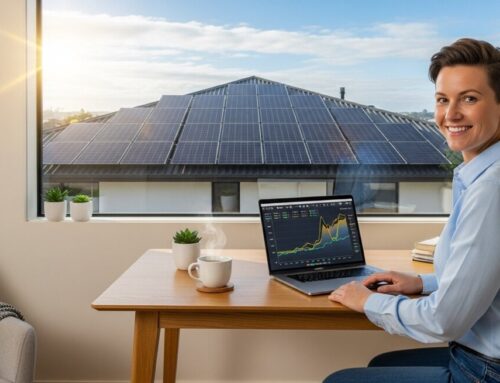
If you’ve opened your electricity bill recently and felt a shock, you’re not alone. Many homeowners are searching for reliable ways to reduce their energy costs and gain independence from the unpredictable power grid. This search often leads them to explore real-world examples of success, like AI solar energy case studies, which show how modern technology is making solar power smarter and more efficient than ever before.
Understanding AI Solar Energy Case Studies
An AI solar energy case study is simply a detailed look at a real homeowner’s experience with a solar system enhanced by artificial intelligence. It’s a story of how they made the switch, the results they achieved, and the lessons learned. These stories provide valuable, practical insights that go beyond sales pitches.
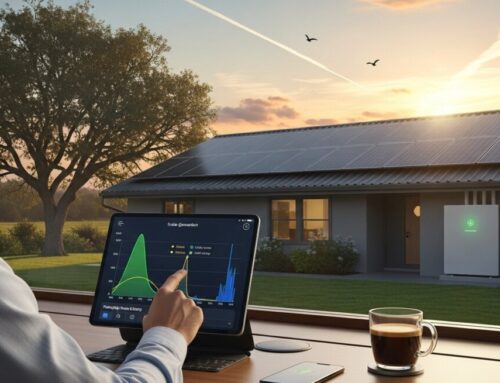
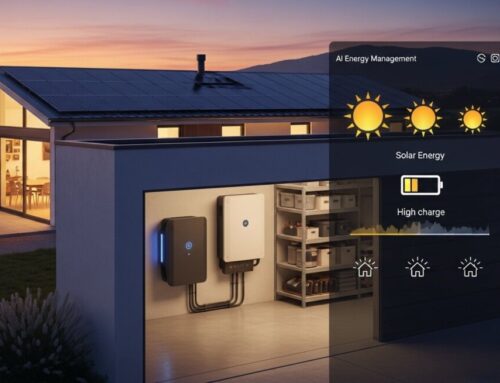
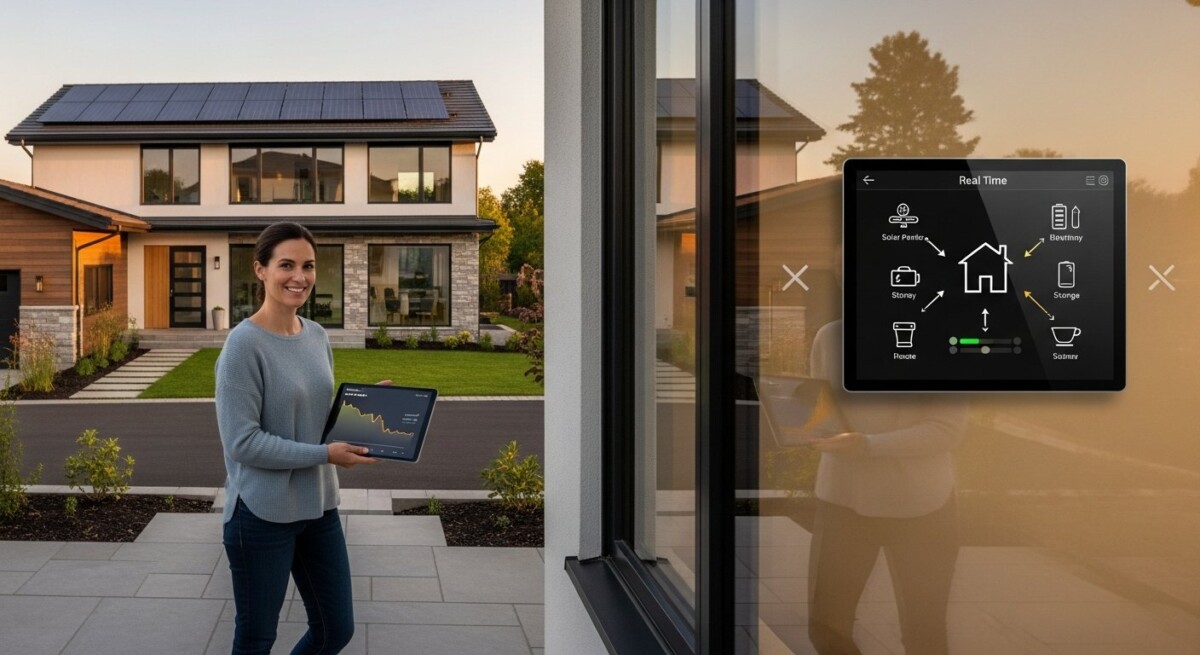
AI, or artificial intelligence, works in solar systems by optimizing energy production and usage. Smart inverters and monitoring systems use algorithms to analyze weather data, your energy consumption patterns, and grid prices. They then make automatic adjustments to maximize your savings, like storing excess energy in a battery for use during expensive peak-rate hours.
Homeowners are increasingly drawn to these intelligent systems because they promise not just energy production, but true energy management. They turn a standard solar array into a dynamic system that actively works to lower your bill, providing a clearer picture of the long-term financial benefits.
Why Solar Energy Is Becoming More Popular
The shift toward solar power is driven by a powerful combination of financial and environmental factors. With traditional electricity rates consistently rising, locking in a lower, predictable cost for power has become a major goal for household budgeting. Solar panels offer a direct path to achieving that stability.
Beyond the bills, there’s a growing desire to reduce our environmental footprint. Generating clean, renewable energy from the sun significantly cuts household carbon emissions. This allows homeowners to contribute to a healthier planet while also securing long-term savings, creating a win-win scenario that is hard to ignore.
Government incentives, like the federal solar tax credit, further accelerate adoption by reducing the upfront cost. When you combine these rebates with decades of reduced electricity bills, the total financial picture becomes compelling for many families looking to make a wise, long-term investment in their home.
If you are considering solar power for your home, comparing installation quotes can help you understand your options. Request a free solar quote or call to learn more.
Common Questions Homeowners Have About Solar
It’s normal to have questions before making a significant home upgrade like solar. The initial investment is often the first concern, but it’s crucial to view it through the lens of long-term savings and available financing options. Many homeowners find their monthly loan payment is less than their old electricity bill, leading to immediate savings.
Other common worries involve the practicalities: Is my roof suitable? What happens on cloudy days? Reputable installers conduct a thorough assessment to answer these questions definitively. Modern systems are designed to produce energy even in indirect light and are built to last for 25 years or more.
- How much will a solar panel system really cost?
- Is my roof strong enough and does it get enough sun?
- What happens to my power when the sun isn’t shining?
- How long will the installation process take?
- Will solar panels increase my property value?
- What maintenance is required for the system?
How Solar Panel Installation Works
The journey to solar power is a structured process handled largely by your chosen professional installer. It begins with a detailed consultation and energy assessment, where experts evaluate your past electricity usage, roof condition, and sun exposure to design a system tailored to your needs.
Once the design is approved, the installer manages all the necessary permits and paperwork with your local authorities and utility company. This step is critical and highlights the value of working with an experienced professional who knows the local regulations and can navigate the process smoothly.
- Home Energy Assessment & Design: Review of your energy needs and creation of a custom system plan.
- Permits & Approvals: The installer secures all required permits and utility interconnection agreements.
- Equipment Installation: The racking, panels, inverter, and wiring are professionally installed on your roof.
- Inspections & Activation: The system passes final inspections and is connected to the grid, turning it on.
Speaking with experienced installers can help you determine the best solar solution for your home. Compare solar quotes here or call to explore available options.
Signs Your Home May Be Ideal for Solar
Certain home characteristics make solar panel installation particularly effective and financially rewarding. The most obvious factor is your roof’s exposure to direct sunlight. A south-facing roof with minimal shading from trees or other structures is typically ideal for maximizing energy production throughout the day.
Your current energy consumption and costs are also key indicators. If you have consistently high electricity bills, solar can offer substantial savings. Furthermore, if you plan to stay in your home for many years, you’ll have more time to enjoy the full benefit of those savings and see a greater return on your investment.
- Your roof receives direct sunlight for most of the day.
- You have high monthly electricity bills.
- Your roof is in good condition and has ample, unshaded space.
- You plan to own your home for the next 5-10+ years.
- You live in an area with strong net metering policies or high utility rates.
- You are interested in increasing your home’s resale value and energy independence.
What Affects Solar Installation Costs
The final price of a solar energy system is influenced by several specific factors. The size of the system, measured in kilowatts (kW), is the primary driver,a larger system to power a bigger home will cost more than a smaller one. The quality and efficiency of the equipment you choose, such as premium solar panels or a home battery, also impact the price.
Installation complexity matters too. A simple, single-plane roof is easier to work on than a roof with multiple angles, skylights, or a steep pitch. Most importantly, local and federal incentives dramatically reduce the net cost. The federal tax credit alone can cover 30% of the system cost, and many states and utilities offer additional rebates.
The cost of solar installation varies depending on your home and energy needs. Request personalized solar quotes or call to see what options are available.
Tips for Choosing a Reliable Solar Installer
Selecting the right installer is as important as choosing the right equipment. A trustworthy company will guide you through every step, ensure proper installation, and honor their warranties for decades to come. Start by looking for installers with strong local experience and a proven track record in your community.
Always check for proper licensing and insurance, and read through the warranty details carefully,both for the products and the installer’s workmanship. Don’t hesitate to ask for and contact references from past customers. Their firsthand experiences can provide invaluable insight into what you can expect.
- Choose an installer with several years of experience and positive local reviews.
- Verify they are properly licensed, bonded, and insured.
- Review the full warranty coverage for equipment and labor.
- Ask for customer references and actually call them.
- Get detailed, written quotes from at least three different companies.
- Ensure they handle the entire process, including permits and utility paperwork.
Long-Term Benefits of Installing Solar Panels
The most immediate and compelling benefit of solar power is the dramatic reduction in your monthly electricity bills. Over the 25+ year lifespan of a system, these savings can amount to tens of thousands of dollars, effectively locking in a low, predictable energy rate for decades and protecting you from future utility rate hikes.
Beyond savings, solar panels increase your home’s market value and appeal to future buyers. They also provide a profound sense of energy independence and security. You become a producer of your own clean power, reducing your reliance on the grid and your household’s environmental impact. For a deeper look at daily benefits, our guide on how we use solar energy daily explores these practical advantages.
How much can I really save with solar panels?
Savings depend on your local electricity rates, system size, and sun exposure. Many homeowners save 50-100% on their electricity bills. Over 20 years, total savings often exceed $20,000. Using a tool like our solar production calculator can help you estimate potential savings based on your specific location and usage.
What is the average payback period for a solar system?
The average payback period,the time it takes for your savings to equal the system cost,is typically between 6 to 10 years. This timeframe can be shorter with strong incentives, high local electricity rates, or optimal sun exposure. After the payback period, the electricity your system produces is essentially free.
Do I need a battery with my solar panels?
Not necessarily. Most homes start with a grid-tied system without a battery. Batteries provide backup power during outages and can help maximize savings if your utility has time-of-use rates. They add to the initial cost but are becoming a popular addition for those seeking full energy independence and security.
How do I maintain my solar panel system?
Solar panels require very little maintenance. Occasional rinsing with a garden hose to remove dust, pollen, or bird droppings is usually sufficient. It’s also wise to have a professional inspect the system every few years to ensure all electrical connections and mounting hardware are secure.
What happens if I sell my house?
Solar panels are shown to increase home value and often make a property sell faster. Studies indicate buyers are willing to pay a premium for a home with existing solar. You can either pay off the system and transfer it to the new owner, or the new buyer can assume the loan if financing was used.
What is net metering?
Net metering is a billing arrangement with your utility company. When your solar panels produce more electricity than you use, the excess is sent to the grid, and your meter runs backward, giving you credit. At night or on cloudy days, you draw power from the grid, using those credits. It’s like using the grid as a giant battery.
Exploring solar energy for your home is a smart step toward controlling costs and investing in a sustainable future. By reviewing real-world AI solar energy case studies and gathering multiple quotes from qualified installers, you can make a confident, informed decision that will benefit your household for years to come.