Benefits of a Home Energy Audit Before Solar Installation
A home energy audit before solar installation can shrink your array, cut upfront costs, and make savings projections accurate. Here is why it matters.

By Dylan Harris
Learn more about Solar Panel Installation and Repair for guides, costs, and what to expect.
Compare Solar Panel Installation and Repair Pros Near You

Enter your ZIP code to compare top-rated local professionals and request free quotes.
You have probably heard that solar panels can slash your electric bill, increase your property value, and shrink your carbon footprint. That promise is real, but it only holds up when the solar system is sized for the home it actually serves, not the home you assume you have. A home energy audit is the step that closes that gap. It is a room-by-room, system-by-system inspection of how your house uses, loses, and wastes energy, and it produces the numbers a solar designer needs to build a system that performs as promised. Skipping it is the single most common reason homeowners end up with oversized arrays, underwhelming savings, or both.
What a Home Energy Audit Actually Measures
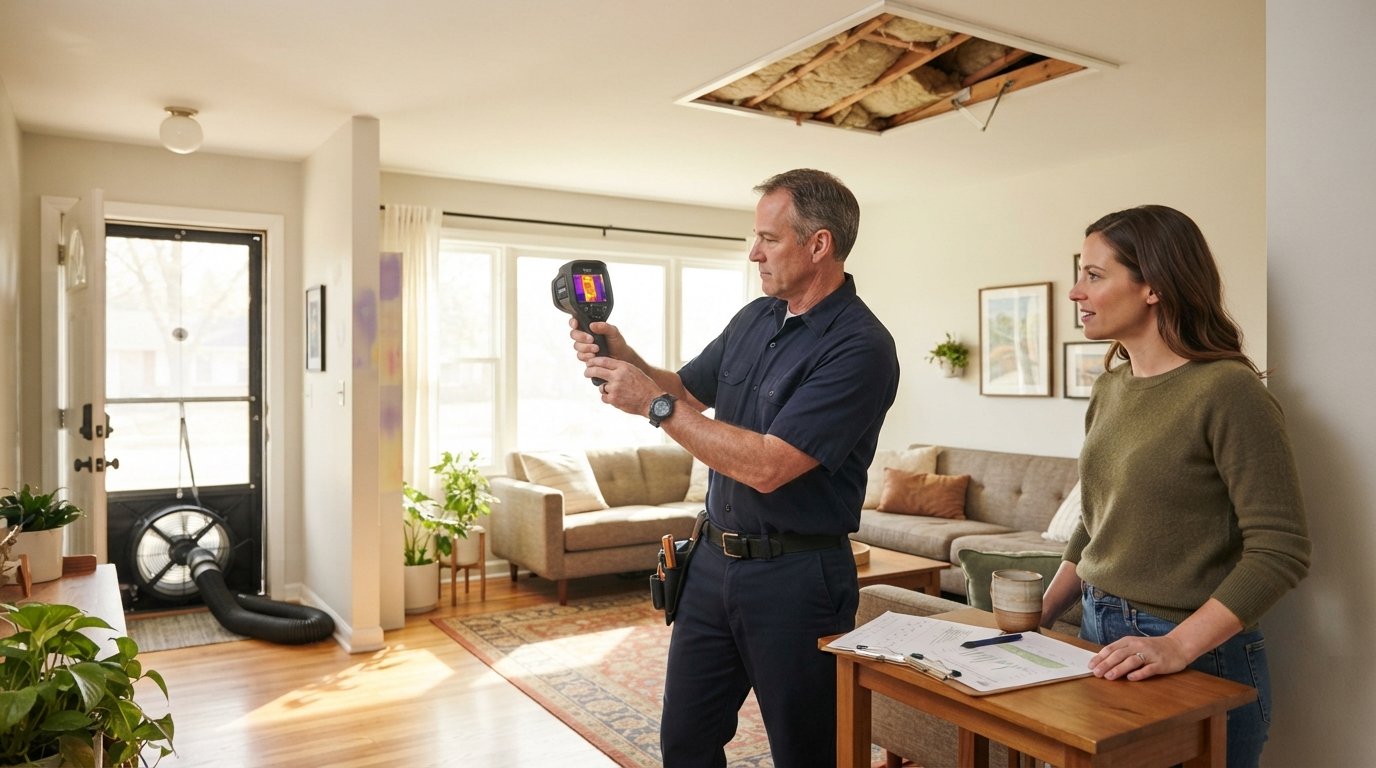
A professional energy audit is far more than a walkthrough with a clipboard. An auditor typically uses a blower door to measure how much air leaks through your building envelope, a thermal imaging camera to find missing insulation and hidden drafts, and combustion safety tests to check gas appliances. They also review a full year of utility bills, catalog every major appliance and its age, and measure standby loads from electronics, chargers, and always-on devices.
The output is a prioritized report: which improvements cut the most energy for the least money, which are cheap DIY fixes, and which require a contractor. If you want to know exactly what happens during a visit, our guide on what to expect during a home energy audit walks through each step and how to prepare.
That report is also the foundation of good solar design. Solar sizing depends on your annual kilowatt-hour consumption, your peak demand windows, and how much of that load you want to offset. Auditors routinely find that 20 to 30 percent of a home's energy use is pure waste: duct leaks, incandescent bulbs, an old refrigerator in the garage, a water heater set too high. Every wasted kilowatt-hour you eliminate is a kilowatt-hour you do not have to buy panels to produce.
The Core Benefits of a Home Energy Audit Before Solar Installation
The benefits of a home energy audit before solar installation fall into three buckets: you spend less on hardware, you get more accurate performance projections, and you avoid expensive surprises after the system is on your roof. Each one compounds the others.
1. You Can Shrink the System and Lower the Upfront Cost
Solar is priced per watt, so every watt you remove from the design is money back in your pocket. If an audit identifies $800 of air sealing and insulation work that trims 15 percent off your annual consumption, your installer can size the array 15 percent smaller and still hit the same offset target. On a typical 8 kW residential system, that can mean thousands of dollars in avoided equipment, permitting, and labor costs.
There is a second, less obvious saving: a smaller array may fit on a smaller roof section, avoid a main panel upgrade, or stay under a utility's net metering tier threshold. Those indirect savings often dwarf the audit fee itself.
2. Your Production Estimates Get More Accurate
Solar proposals are built on consumption data. If the designer uses last year's bills without understanding that your HVAC was failing, that your kids moved out, or that you plan to add an electric vehicle, the projection will be wrong. An audit gives the designer context: which loads are permanent, which are seasonal, and which are about to change.
That context matters even more if you are planning electrification upgrades. Adding a heat pump, an induction range, or an EV charger can raise consumption by 30 to 50 percent. An audit lets you model those additions before the array is designed, so you do not end up undersized two years from now.
3. You Avoid the Oversized Array Trap
Many installers, under pressure to close a sale, default to a larger system than the home needs. An oversized array costs more, may exceed what your utility will credit through net metering, and can trigger a main service panel upgrade you did not budget for. An audit puts a hard number on real consumption and gives you the documentation to push back on an inflated proposal.
4. You Unlock Rebates and Financing Advantages
Many utilities and state programs require a documented energy audit before approving efficiency rebates, and some solar incentive programs give preferential treatment to homes that have completed one. The federal tax credit covers qualifying efficiency improvements in addition to solar, so the audit often pays for itself through stacked incentives alone. Financing terms can also improve when lenders see a professionally documented efficiency plan.
5. You Catch Problems Solar Cannot Fix
Solar panels generate electricity; they do not fix a leaking duct system, a failing water heater, or a refrigerator that draws more than a small air conditioner. If you install solar first, you will keep paying for those inefficiencies, just with a different fuel source. An audit surfaces them before they get baked into a 25-year system design.
How the Audit Changes the Solar Design Process
After the audit, the workflow looks different in a few important ways. First, the designer works from measured consumption and a clear efficiency plan rather than raw utility history. Second, the proposal usually includes a two-phase scope: efficiency improvements first, solar second. Third, the projected payback period gets more realistic, because it accounts for the reduced load.
A practical sequence for most homeowners looks like this:
- Schedule the audit and complete any low-cost fixes it identifies (air sealing, LED swaps, water heater settings).
- Get updated consumption numbers after 30 to 60 days of corrected operation.
- Request solar quotes using those updated numbers and a clear list of planned electrification upgrades.
- Compare proposals on dollars per watt, offset percentage, and equipment quality, not just headline price.
- Install efficiency upgrades and solar in a coordinated sequence so the array is sized for the post-upgrade home.
This order matters because solar designers cannot easily un-size a system after the fact. Panels and inverters are matched to each other and to the roof layout. Getting the load estimate right the first time is far cheaper than adding panels later or accepting chronic underproduction.
What the Audit Typically Costs and How to Time It
A professional residential energy audit in the United States generally runs between $200 and $600, though many utilities offer them free or heavily subsidized. The audit usually takes two to four hours on site, and you receive a written report within a week or two. Compared to the cost of a residential solar system, which often lands between $15,000 and $30,000 before incentives, the audit is a rounding error, and it frequently pays for itself through a smaller array alone.
Timing matters. The best window is two to six months before you plan to sign a solar contract. That gives you time to complete recommended fixes, collect fresh utility data, and re-bid the project with accurate numbers. If you are already deep into solar quotes, it is not too late: ask your installer to pause final design until the audit report is in hand.
Homeowners who want to compare quotes from vetted installers after completing an audit can use platforms like FreeSolarPowerQuotes to gather no-obligation proposals and see how different companies respond to the same efficiency-adjusted load profile. Comparing multiple bids against a single, audit-backed consumption number is one of the most reliable ways to avoid overpaying.
Common Mistakes Homeowners Make
The most frequent error is treating the audit as optional paperwork. It is not. It is the measurement step that makes every downstream decision defensible. A close second is ordering the audit but ignoring the report, installing solar anyway, and then wondering why the savings do not match the proposal.
Other missteps worth avoiding:
- Skipping the blower door test because it seems intrusive (it is quick and non-destructive).
- Using only the most recent month of utility data instead of a full year.
- Forgetting to disclose planned EV, heat pump, or pool additions to the solar designer.
- Choosing an installer who will not incorporate audit findings into the system design.
Each of these can quietly cost thousands of dollars over the life of the system. The fix is simple: treat the audit as the first line item in the project, not an afterthought.
Frequently Asked Questions
Is a home energy audit required before solar installation?
It is rarely a legal requirement, but many incentive programs and some utility net metering applications effectively expect one. Even where it is optional, the financial case for doing it is strong.
How long does an audit take?
Expect two to four hours on site and one to two weeks for the written report, depending on the provider.
Can I do a DIY audit instead?
You can catch obvious issues (drafts, old bulbs, inefficient appliances), but a professional blower door and thermal scan find problems that are invisible without equipment. A hybrid approach works well: DIY fixes now, professional audit for the big decisions.
Will the audit delay my solar project?
It adds a few weeks up front, but it typically shortens the overall timeline by preventing redesigns, change orders, and post-installation disappointment.
The case for auditing before you install solar is straightforward: you spend a small amount of money and time to get accurate numbers, a smaller and cheaper system, and performance projections you can actually trust. For most homeowners, that trade is not close. Start with the audit, fix what it reveals, then design the array around the home you actually live in.