Understanding Solar Installation Quotes for Homeowners
If you’ve watched your electricity bill climb steadily over the years, you’re not alone. Many homeowners are now looking for a reliable way to take control of their energy costs and reduce their dependence on the traditional power grid. Getting a commercial solar installation quote is the essential first step in exploring how solar panels can provide long-term savings and energy independence for your home.
Understanding Commercial Solar Installation Quotes
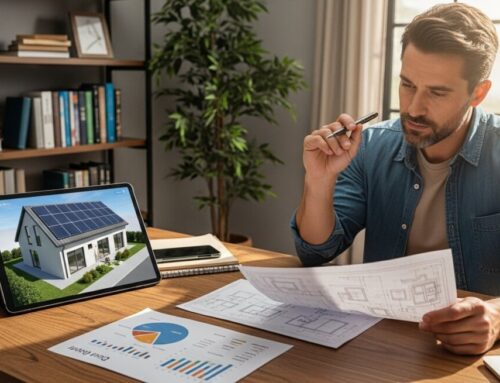
A commercial solar installation quote is a detailed proposal from a professional solar company. It outlines the estimated cost, design, and energy output of a solar panel system for your home. Think of it as a personalized blueprint for your home’s energy future.
This document breaks down everything you need to know. It includes the number of panels, equipment specifications, projected energy production, and the total price before and after any available incentives. A clear quote helps you compare offers from different installers on an equal footing.
Why Solar Energy Is Becoming More Popular
Homeowners are turning to solar power for several powerful reasons. First, electricity prices are unpredictable and tend to rise over time. Solar panels provide a fixed-cost energy solution, shielding you from future rate hikes.
Beyond the financial benefits, there’s a strong desire to reduce one’s environmental footprint. Generating clean, renewable energy from the sun significantly lowers household carbon emissions. Combined with long-term savings, this makes solar an attractive investment for a more sustainable and self-sufficient home.
If you are considering solar power for your home, comparing installation quotes can help you understand your options. Request a free solar quote or call to learn more.
Common Questions Homeowners Have About Solar
It’s normal to have questions before making a significant home upgrade. Many people wonder about the upfront cost, which can vary, but financing options and incentives make solar more accessible than ever. Others are concerned about their roof’s suitability or how the system will perform on cloudy days.
Professional installers address these concerns during the consultation and quote process. They assess your specific situation to provide accurate answers. Here are some common questions they hear:
- How much does a home solar system cost?
- Is my roof strong enough and facing the right direction?
- Will solar panels work during a power outage?
- How long will the installation process take?
- What maintenance is required?
- What happens if I sell my house?
How Solar Panel Installation Works
The installation process is managed start-to-finish by your chosen professional team. It’s designed to be straightforward and minimally disruptive for you. From initial assessment to flipping the switch, each step is handled with expertise.
A reputable installer will guide you through every phase, ensuring all local regulations are met and the system is optimized for your home. The main steps typically include:
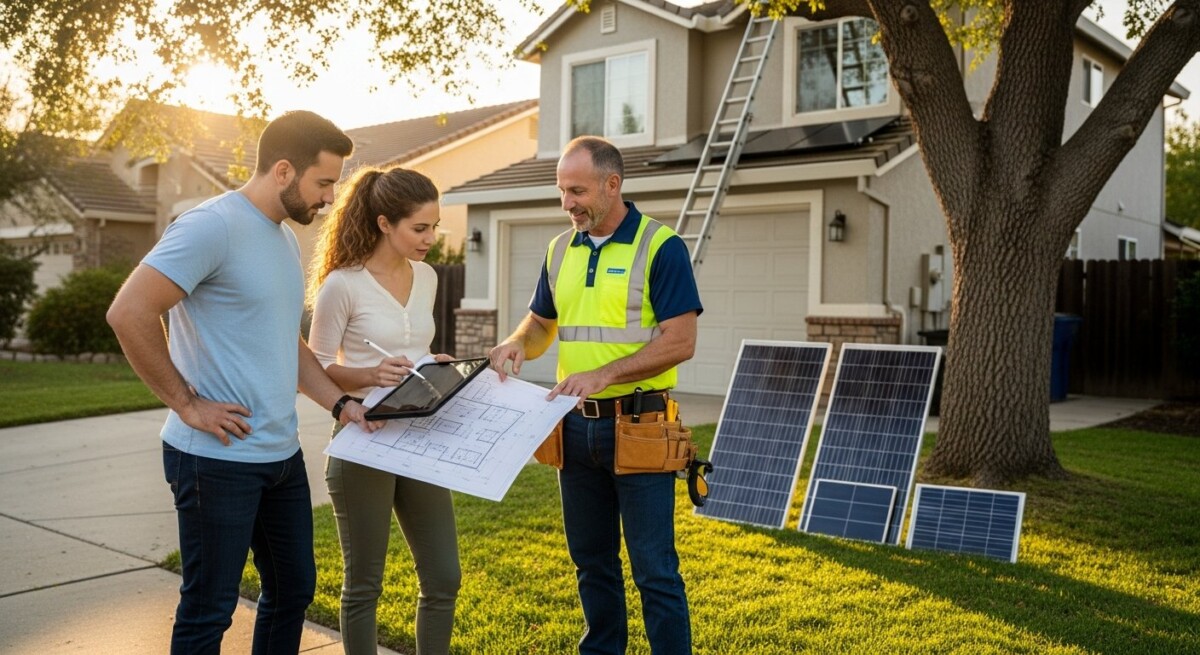
- Home Energy Assessment: An expert evaluates your roof, electricity usage, and goals.
- System Design: A custom solar array is engineered for maximum efficiency.
- Permits and Approvals: The installer handles all necessary paperwork with your city and utility company.
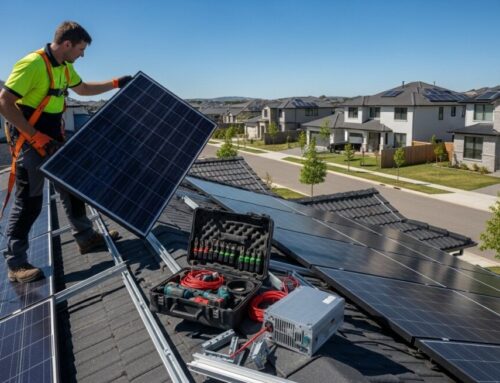
- Panel Installation: The mounting equipment, panels, and inverter are installed on your roof.
- System Activation: Final inspections are completed, and your system is connected to the grid.
Speaking with experienced installers can help you determine the best solar solution for your home. Compare solar quotes here or call to explore available options.
Signs Your Home May Be Ideal for Solar
While many homes are good candidates, certain characteristics make a property especially well-suited for solar panels. The most important factor is access to sunlight. A roof with minimal shading from trees or other structures will generate more power.
Your current energy habits and future plans also play a key role. If you plan to stay in your home for many years, you’ll have more time to enjoy the financial returns. Look for these indicators that solar could be a great fit:
- Your roof gets direct sunlight for most of the day.
- You have high monthly electricity bills you want to reduce.
- Your roof is in good condition and has ample, unshaded space.
- You plan to own your home for the next 5-10 years or more.
- Your local utility offers net metering for excess solar energy.
- You are interested in increasing your property value.
What Affects Solar Installation Costs
The final price on your solar installation quote is influenced by several key factors. The size of the system, measured in kilowatts (kW), is the primary driver. A larger system designed to offset more of your bill will cost more upfront but also deliver greater savings.
Equipment quality, roof complexity, and local labor rates also impact the cost. Crucially, available government incentives, like the federal solar tax credit, and local rebates can significantly reduce your net price. A detailed quote will separate these costs and savings clearly.
The cost of solar installation varies depending on your home and energy needs. Request personalized solar quotes or call to see what options are available.
Tips for Choosing a Reliable Solar Installer
Selecting the right installer is as important as choosing the right equipment. A trustworthy company ensures a smooth process, a quality installation, and reliable long-term support. They become your partner in energy savings for decades.
Always compare multiple detailed quotes. This allows you to evaluate not just the price, but the proposed equipment, warranty terms, and company reputation side-by-side. Use these tips to guide your selection:
- Choose an installer with strong local experience and positive customer reviews.
- Verify they are properly licensed and insured for your area.
- Compare the warranties offered on both the equipment and the workmanship.
- Ask for references from past customers with similar homes.
- Ensure they provide a detailed, written quote with no hidden fees.
- Pay attention to their communication and willingness to answer questions.
Long-Term Benefits of Installing Solar Panels
The most immediate benefit of going solar is watching your monthly electricity bills shrink. Over the system’s 25+ year lifespan, these savings add up to a substantial amount, often outweighing the initial investment. You effectively lock in a lower, predictable rate for your power.
Beyond bill savings, solar panels can increase your home’s market value and appeal to future buyers. You also gain a greater degree of energy independence and contribute directly to a cleaner environment by reducing fossil fuel reliance. It’s an upgrade that pays off financially and ethically.
How long do solar panels last?
Most high-quality solar panels come with a performance warranty guaranteeing they will still produce at least 80-90% of their original output after 25 years. With minimal maintenance, the physical panels can last for 30 years or more. The inverter, which converts the energy, typically needs replacement once during the system’s life.
What is the federal solar tax credit?
The federal solar tax credit, also known as the Investment Tax Credit (ITC), allows you to deduct a significant percentage of your solar system’s cost from your federal taxes. This incentive directly reduces the amount you owe, making solar power much more affordable. It’s crucial to discuss current credit rates with your installer and tax advisor.
Do solar panels work on cloudy days or in winter?
Yes, solar panels do generate electricity on cloudy days, though at a reduced efficiency. They convert visible light, not just direct heat from the sun. Modern panels are quite effective in diverse climates. Furthermore, cold, sunny winter days can be very efficient for production, and your system is designed to produce excess energy in sunnier months to balance lower production periods.
What is net metering?
Net metering is a billing arrangement with your utility company. When your solar panels produce more electricity than your home uses, the excess is sent back to the grid. Your utility meter essentially runs backward, giving you credit for that power. You can then use these credits to offset electricity you draw from the grid at night or on cloudy days.
Can I install solar on a flat roof?
Absolutely. Flat roofs are excellent candidates for solar installation. Installers use special mounting systems to angle the panels for optimal sun exposure. For a detailed look at the considerations and benefits, you can read our guide on flat roof solar installation to understand the specific approaches used.
How do I maintain my solar panel system?
Solar systems require very little maintenance. Rainfall usually cleans the panels sufficiently. It’s wise to have them visually inspected periodically for debris or damage. Your installer will monitor system performance remotely and alert you if there is a significant drop in output that might require service.
Exploring solar energy for your home is a smart decision that leads to financial control and environmental stewardship. By requesting and comparing multiple commercial solar installation quotes, you empower yourself with the information needed to choose the best system and installer for your unique situation. Take the first step toward energy independence today.