Understanding Solar Energy ROI for Homeowners
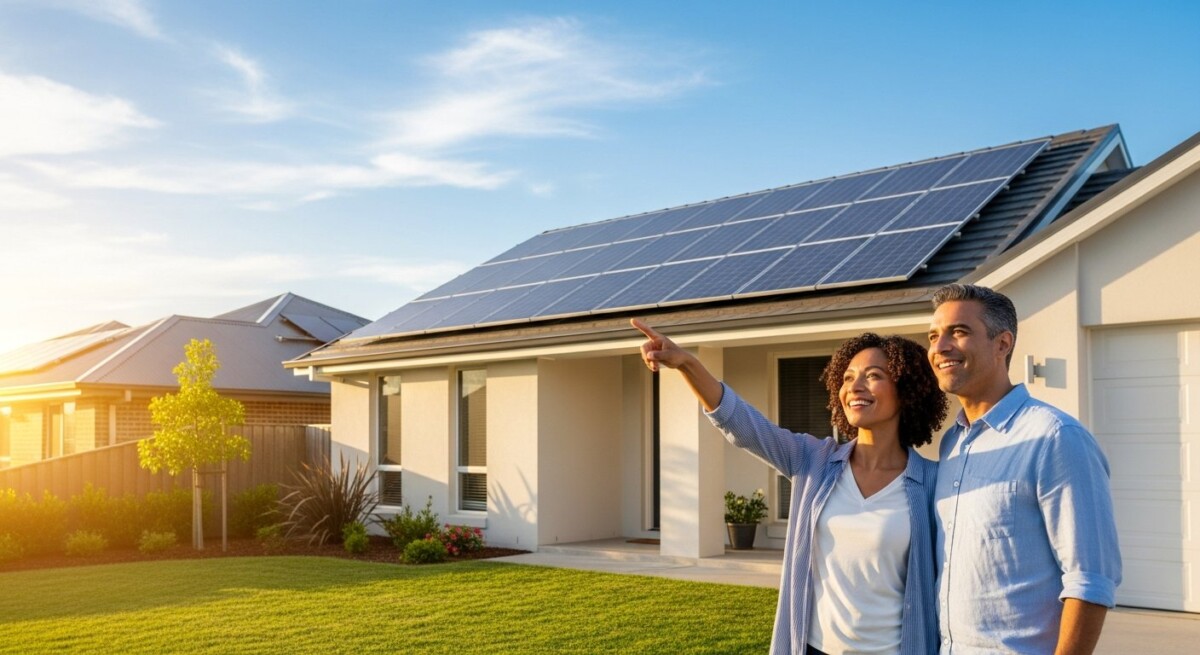
You’ve likely watched your electricity bill climb steadily over the years. This common frustration is leading more homeowners to search for a clear explanation of solar energy ROI, or Return on Investment. They want to understand how installing solar panels can reduce their monthly bills and create greater energy independence from the utility grid. Let’s break down this important financial concept in simple, practical terms.
Understanding Solar Energy ROI Explained
Solar energy ROI is simply a measure of your financial return on the investment in a solar panel system. It tells you how long it will take for the money you save on electricity to equal the upfront cost of the system. After that payback period, the energy your panels produce is essentially free, leading to significant long-term savings.
Think of it like prepaying for decades of your home’s electricity. The initial cost is offset by eliminating most of your future power bills. A strong ROI means your system pays for itself relatively quickly and then continues to generate value for the rest of its 25+ year lifespan.
Why Solar Energy Is Becoming More Popular
Homeowners are turning to solar power for several powerful reasons. First, rising electricity prices make locking in a predictable energy cost highly appealing. Solar panels provide a hedge against unpredictable utility rate hikes for decades to come.
There’s also a growing desire to reduce environmental impact. Generating clean energy from the sun significantly lowers your household’s carbon footprint. Combined with the compelling long-term savings and increased energy independence, it’s a decision that benefits both your wallet and the planet.
If you are considering solar power for your home, comparing installation quotes can help you understand your options. Request a free solar quote or call to learn more.
Common Questions Homeowners Have About Solar
It’s normal to have questions before making a significant home upgrade. Many wonder about the upfront cost and how financing options work. Others are concerned about whether their roof is suitable or how the system will perform on cloudy days.
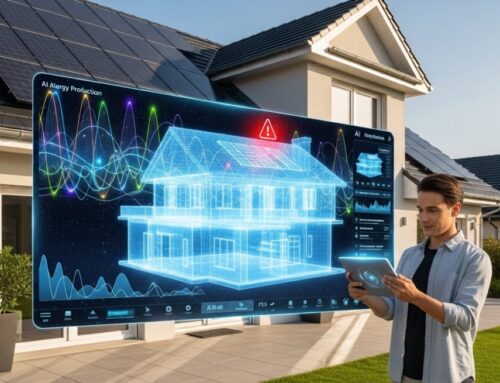
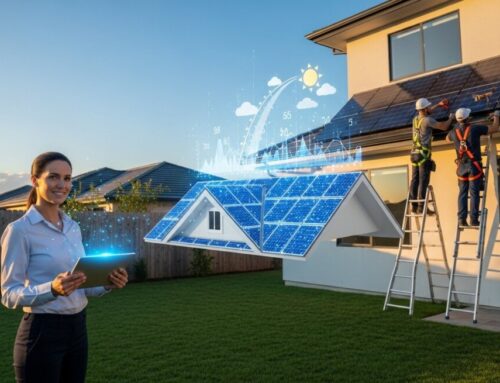
Professional installers are experts at answering these questions and conducting a detailed assessment of your home. They can evaluate your roof’s condition, angle, and sun exposure to provide accurate performance estimates. This personalized analysis is crucial for understanding your potential ROI.
- How much will a solar system cost for my home?
- Is my roof strong enough and does it get enough sun?
- What happens to the solar panels if I sell my house?
- How does solar work when the power goes out?
- Will I still have an electricity bill?
- How long do solar panels last?
How Solar Panel Installation Works
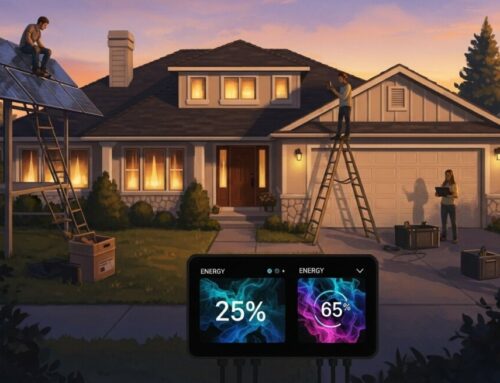
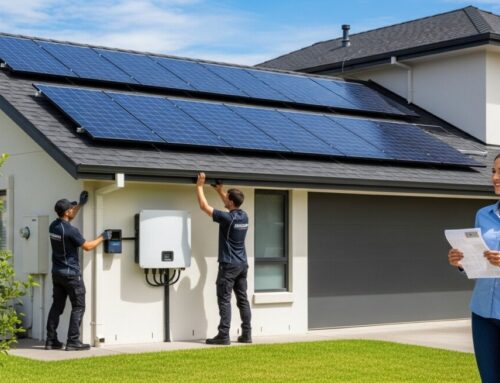
The installation process is managed by professionals from start to finish. It begins with a consultation and energy assessment to understand your usage and goals. The installer then designs a custom system to meet your needs and handles all necessary permits and approvals.
Once designed and permitted, the physical installation typically takes just a few days. The final step is inspection and activation, connecting your system to the grid. The process is streamlined to be as smooth as possible for the homeowner.
- Home Energy Assessment & Consultation
- Custom System Design & Proposal
- Permitting & Utility Approvals
- Solar Panel & Equipment Installation
- Final Inspection & System Activation
Speaking with experienced installers can help you determine the best solar solution for your home. Compare solar quotes here or call to explore available options.
Signs Your Home May Be Ideal for Solar
Certain conditions make a home particularly well-suited for solar panels, maximizing your return on investment. The most important factor is having a roof with strong, unobstructed sunlight exposure for most of the day. Southern-facing roofs in the Northern Hemisphere are typically ideal.
Homeowners with high monthly electricity bills often see the fastest payback period, as the savings are more substantial. If you plan to stay in your home for the long term, you’ll reap the full benefit of decades of free power after the system pays for itself.
- Your roof receives direct sunlight for 6+ hours a day.
- You have high monthly electricity costs.
- Your roof is in good condition and has ample space.
- You plan to own your home for 5-10+ years.
- Your local utility has favorable net metering policies.
- You live in an area with strong government incentives.
What Affects Solar Installation Costs
The total cost of your solar system is influenced by several key factors. The size of the system, measured in kilowatts (kW), is the primary driver,larger systems that produce more power cost more. The quality and efficiency of the panels and inverter you choose also impact the price.
Installation complexity, like a steep or multi-level roof, can affect labor costs. Crucially, available government incentives, like the federal solar tax credit, and local rebates can significantly reduce your net cost. A trustworthy installer will provide a transparent breakdown of all costs and savings. For a deeper look at what goes into these figures, our guide on understanding solar energy quotes can be very helpful.
The cost of solar installation varies depending on your home and energy needs. Request personalized solar quotes or call to see what options are available.
Tips for Choosing a Reliable Solar Installer
Selecting the right installer is as important as choosing the right equipment. Look for a company with strong experience, proper licensing, and positive customer reviews. They should offer robust warranties on both the equipment and their workmanship.
Never base your decision on price alone. The cheapest quote might use lower-quality components or cut corners on installation. Getting multiple detailed quotes allows you to compare equipment, service, and overall value to make an informed choice.
- Verify licenses, insurance, and certifications.
- Check online reviews and ask for local references.
- Compare the equipment brands and warranties offered.
- Ensure they handle the entire permitting process.
- Get detailed, written quotes from 3-4 companies.
- Choose a company you feel comfortable communicating with.
Long-Term Benefits of Installing Solar Panels
The long-term advantages of solar energy extend far beyond the monthly bill savings. You gain protection from rising energy costs, creating predictable expenses for decades. This energy independence provides peace of mind and financial stability.
Solar panels also increase your property value and make your home more attractive to future buyers. Perhaps most importantly, you contribute directly to a cleaner environment by reducing reliance on fossil fuels. It’s a powerful way to see how we use solar energy to create a tangible positive impact every single day.
How long does it take for solar panels to pay for themselves?
The average payback period for a residential solar system is typically between 6 to 10 years. This timeframe depends on your local electricity rates, system cost, sunlight exposure, and available incentives. After the payback period, you enjoy essentially free electricity for the remaining life of the system.
Do solar panels work on cloudy days or in winter?
Yes, solar panels still generate electricity on cloudy days, though at a reduced efficiency. They convert both direct and diffuse sunlight. Modern systems are designed to perform well in various climates and will produce energy year-round, often with increased output on cold, sunny winter days.
What is net metering and how does it help my ROI?
Net metering is a billing arrangement with your utility company. When your panels produce more electricity than you use, the excess is sent to the grid, and you earn credits. You can use these credits to draw power from the grid at night or on cloudy days, dramatically improving your system’s economics and ROI.
Can I finance a solar panel system?
Absolutely. Many homeowners use solar loans, which allow you to own the system with little or no money down. The monthly loan payment is often less than your previous electric bill, creating immediate savings. Other options include leases or Power Purchase Agreements (PPAs), but ownership typically yields the highest long-term ROI.
Will solar panels damage my roof?
Professional installers do not damage your roof. They perform an inspection first and will recommend repairs if needed. The mounting system is designed to protect your roof’s integrity, and the panels can actually shield the covered portion from weather and UV degradation.
What maintenance do solar panels require?
Solar panels require very little maintenance. Occasional cleaning with water to remove dust, pollen, or bird droppings is usually sufficient. Most systems include monitoring software so you can track performance, and the installer should provide a long-term warranty on parts and labor.
Understanding your solar energy ROI is the key to making a confident, informed decision about powering your home. By calculating your potential savings and exploring the available incentives, you can see how solar panels are a smart long-term investment. The best next step is to gather personalized information from qualified local installers to see what’s possible for your specific home.