Steps to Implement Solar Systems and Slash Your Energy Bills
If you’ve opened your electricity bill recently and felt a sense of dread, you’re not alone. Many homeowners are searching for a reliable way to reduce their monthly energy costs and gain independence from unpredictable utility rates. The answer for a growing number of people is to take steps to implement solar systems, a practical move that can lead to significant long-term savings and a smaller environmental footprint.
Understanding Steps to Implement Solar Systems
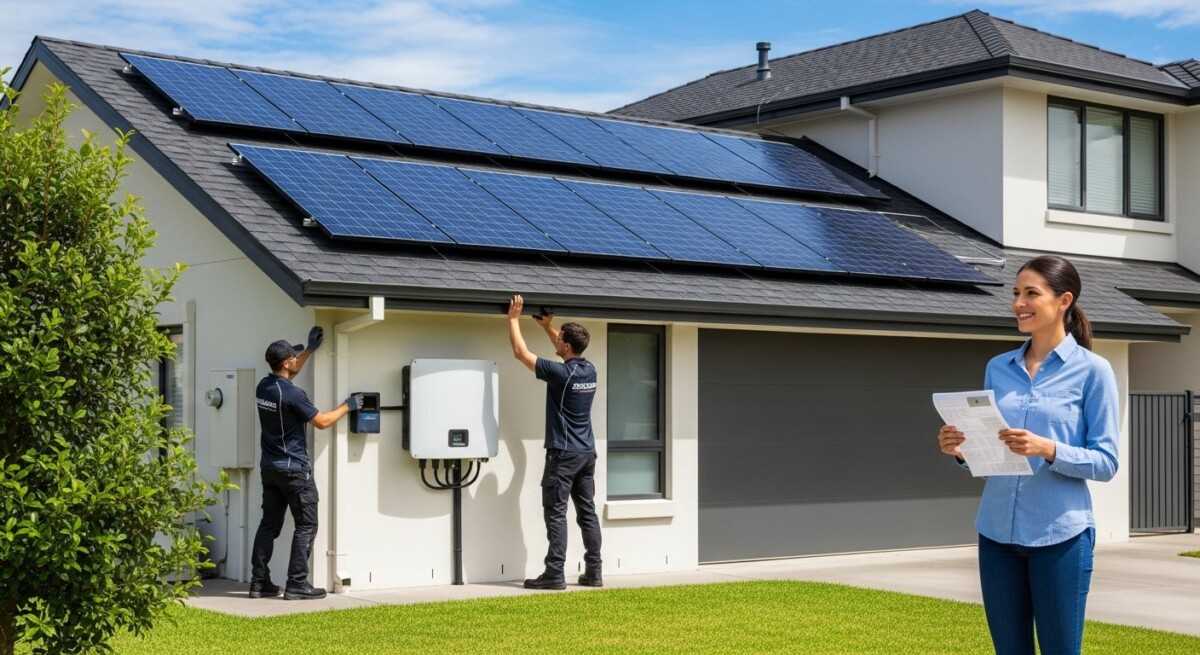
Implementing a solar system for your home is a structured process that transforms sunlight into usable electricity. It involves installing solar panels, typically on your roof, which capture energy from the sun. This energy is then converted by an inverter into the type of power that runs your home’s appliances and lights.
The process is designed to be manageable and is handled by professional installers. It starts with an assessment of your home’s energy needs and ends with a system that can power your life for decades. By following the right steps, you can ensure a smooth transition to cleaner, more affordable energy.
Why Solar Energy Is Becoming More Popular
Homeowners are turning to solar power for several compelling reasons. First and foremost, electricity prices continue to rise, making a fixed-cost solar system an attractive financial shield. Solar panels allow you to lock in your energy rate for years to come, protecting you from future utility hikes.
Beyond the wallet, there’s a strong desire for energy independence and environmental responsibility. Generating your own power means you’re less reliant on the traditional grid and fossil fuels. This shift contributes to a cleaner planet while providing the personal satisfaction of taking control of your home’s energy source.
If you are considering solar power for your home, comparing installation quotes can help you understand your options. Request a free solar quote or call to learn more.
Common Questions Homeowners Have About Solar
It’s normal to have questions before making a significant home improvement. Many people wonder about the upfront cost, which can be offset by financing options and government incentives. Others are concerned about whether their roof is suitable or what happens on cloudy days.
Professional installers are experts at answering these questions and providing clear, trustworthy information. They can assess your specific situation and explain how modern systems are designed to be efficient and resilient. A reliable installer will ensure you have all the facts before you decide.
- How much does a solar panel system cost, and what are the financing options?
- Is my roof strong enough and does it get enough sun for solar panels?
- Will solar panels work during power outages or on cloudy days?
- How long will the installation process take, and will it disrupt my daily life?
- What maintenance is required for a solar energy system?
- How do government tax credits and rebates work?
How Solar Panel Installation Works
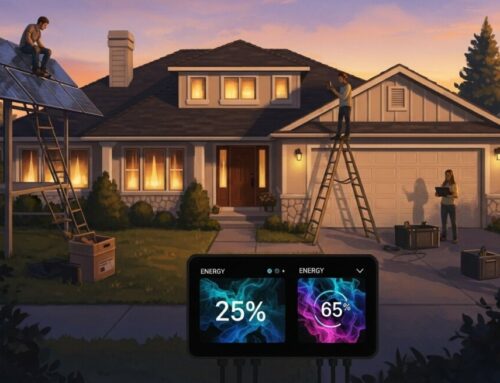
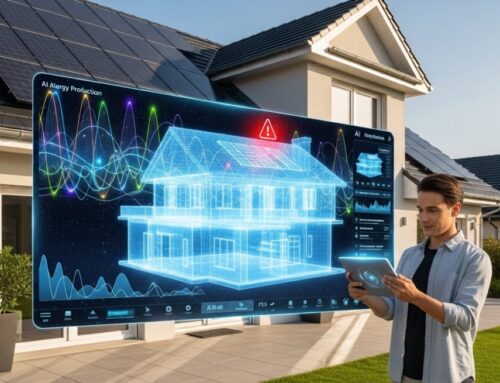
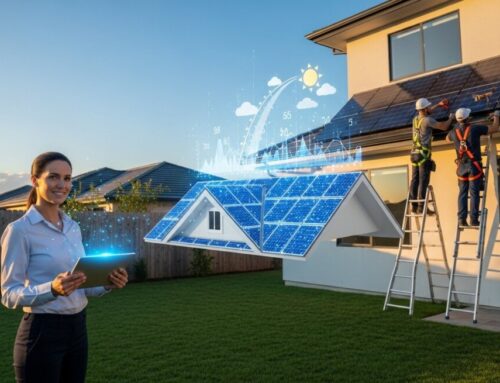
The installation process is a collaborative journey between you and your chosen solar provider. It begins with a detailed evaluation of your home’s energy consumption and solar potential. This ensures the system is perfectly tailored to meet your needs and maximize your savings.
From there, professionals handle the design, paperwork, and physical installation. The goal is to make the process as seamless as possible for you, turning a complex project into a straightforward upgrade for your home. Here are the typical steps involved:
- Home Energy Assessment & Consultation: An expert reviews your electricity bills, evaluates your roof, and discusses your goals.
- Custom System Design & Proposal: The installer creates a plan showing system size, panel placement, costs, and projected savings.
- Permits & Approvals: The company secures all necessary permits from your local government and utility company.
- Panel & Equipment Installation: Crews install the mounting equipment, solar panels, inverter, and necessary wiring.
- Inspections & System Activation: After passing final inspections, your system is connected to the grid and turned on.
Speaking with experienced installers can help you determine the best solar solution for your home. Compare solar quotes here or call to explore available options.
Signs Your Home May Be Ideal for Solar
While many homes are good candidates for solar, some characteristics make the investment particularly advantageous. The most obvious factor is access to strong, unobstructed sunlight for most of the day. A south-facing roof with minimal shading from trees or other buildings is ideal.
Your current energy habits and future plans also play a big role. If you’re paying high electricity bills each month, you have more potential savings to capture. Furthermore, if you plan to stay in your home for many years, you’ll have ample time to enjoy the financial return on your investment.
- You have a roof that faces south, east, or west with few obstructions.
- Your monthly electricity bills are consistently high.
- Your roof is in good condition and is less than 10-15 years old.
- You plan to own your home for the next 5-10 years or more.
- You live in an area with strong sunlight and favorable net metering policies.
- You are interested in increasing your property value and sustainability.
What Affects Solar Installation Costs
The total cost of your solar system depends on several key factors. The primary one is the size of the system, measured in kilowatts (kW), which is directly tied to how much electricity you need to produce. A larger system for a big home with high usage will cost more than a smaller one.
Other factors include the quality and type of equipment you choose, such as premium panels or microinverters. The complexity of your roof’s layout and the local cost of labor also influence the price. Crucially, available government incentives or rebates can significantly reduce your net cost, making solar more affordable than ever.
The cost of solar installation varies depending on your home and energy needs. Request personalized solar quotes or call to see what options are available.
Tips for Choosing a Reliable Solar Installer
Selecting the right installer is one of the most important steps to implement solar systems successfully. A reputable company will guide you through the entire process, ensure proper installation, and provide strong warranties. They act as your partner in achieving energy independence.
Take the time to research and compare different providers in your area. Look for established companies with proven track records and positive customer reviews. Don’t hesitate to ask detailed questions about their experience, licensing, and the warranties they offer on both equipment and workmanship.
- Check for proper licensing, insurance, and certifications (like NABCEP).
- Read customer reviews and ask for local references you can contact.
- Compare detailed quotes from at least three different installers.
- Understand the full scope of warranties on panels, inverters, and labor.
- Ensure they handle all permitting and interconnection paperwork.
- Choose a company that communicates clearly and doesn’t use high-pressure sales tactics.
Long-Term Benefits of Installing Solar Panels
The most immediate benefit of solar panels is the dramatic reduction in your monthly electricity bill. Over the system’s 25+ year lifespan, these savings can amount to tens of thousands of dollars. This financial cushion becomes even more valuable as traditional energy costs continue to climb.
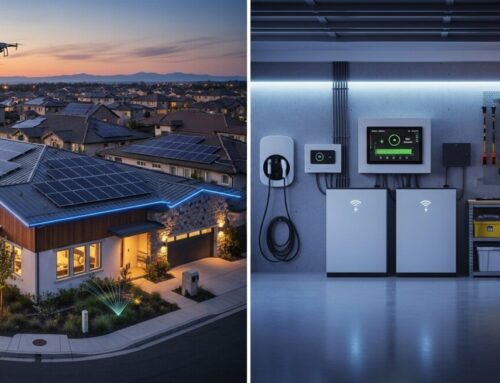
Beyond savings, solar panels increase your home’s market value and appeal to future buyers. They also provide a profound sense of energy independence, reducing your reliance on the utility grid. Perhaps most importantly, you’ll be making a lasting positive impact on the environment by reducing your household’s carbon emissions every single day. For those looking to maximize independence, exploring top battery choices for solar systems can provide backup power and greater self-sufficiency.
How long do solar panels last?
Most high-quality solar panels come with a performance warranty guaranteeing they will still produce at least 80-90% of their original output after 25 years. The panels themselves can continue to generate electricity well beyond that timeframe. The inverter, which converts the energy, typically has a shorter lifespan of 10-15 years and may need to be replaced once during the system’s life.
Do I need a battery with my solar system?
For most homeowners, a battery is not required for a standard grid-tied system. Your system will send excess power to the grid for credits (net metering) and draw power when needed. Adding a battery, however, provides backup power during outages and can increase your energy independence. You can learn more about this in our detailed guide on selecting the right battery for your solar system.
What happens on cloudy days or at night?
Solar panels do produce less energy on cloudy days, but they still generate power from diffused sunlight. At night, production stops. This is why most homes remain connected to the utility grid. You draw power from the grid when your panels aren’t producing, using up the credits you earned by sending excess solar energy back during sunny periods.
Will solar panels damage my roof?
Professional installers are trained to mount panels without compromising your roof’s integrity. In fact, the mounting system often provides an additional protective layer. Installation includes sealing any penetration points to prevent leaks. It’s crucial to have your roof inspected beforehand to ensure it’s in good condition for the installation.
How much maintenance do solar panels require?
Solar panels require very little maintenance. Occasional cleaning with water to remove dust, pollen, or bird droppings is usually sufficient to maintain optimal performance, especially if you live in a rainy area. You should also monitor your system’s output through its app or monitoring portal to ensure it’s performing as expected.
Are there tax credits or rebates for going solar?
Yes, the federal government offers a significant Investment Tax Credit (ITC) that allows you to deduct a percentage of your solar system cost from your federal taxes. Many states, municipalities, and utility companies also offer additional rebates or incentives. Your solar installer can provide a full breakdown of all available financial incentives for your specific location.
Taking steps to implement a solar system is a powerful decision for your finances, your home, and the planet. By understanding the process, evaluating your home’s potential, and carefully comparing quotes from trusted professionals, you can confidently move toward a future of cleaner, more affordable energy. Start your journey today by exploring your options.