State Solar Incentives To Slash Your Electricity Bills
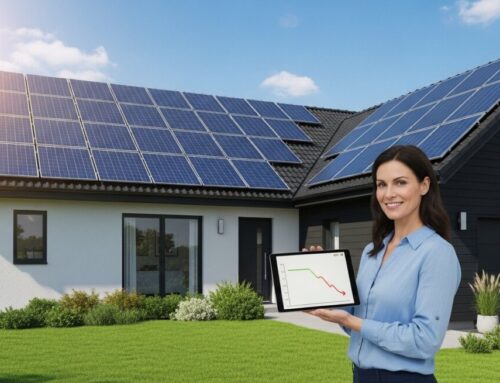
Have you watched your monthly electricity bill creep higher and higher? You’re not alone. Many homeowners are searching for ways to reduce their energy costs and gain more control over their household budget. This search often leads to a powerful solution: installing solar panels. By harnessing the sun’s energy, you can significantly cut your bills and become less dependent on the traditional power grid. The journey starts with understanding the available renewable energy incentives by state, which can make this upgrade surprisingly affordable.
Understanding Renewable Energy Incentives By State
Renewable energy incentives are financial benefits offered to make clean energy systems like solar panels more accessible. They are designed to lower the upfront cost and improve the long-term value of your investment. These incentives vary significantly depending on where you live, as they are managed by state, local, and utility programs alongside federal offerings.
The most well-known incentive is the federal solar Investment Tax Credit (ITC). This allows you to deduct a significant percentage of your solar system’s cost from your federal taxes. However, state-level incentives are where you can find even more savings. These can include additional tax credits, cash rebates, property tax exemptions, and performance-based incentives that pay you for the energy your system produces.
Navigating this landscape is key to a smart solar purchase. A qualified installer will help you identify every single incentive you qualify for, from your state down to your specific utility company. This ensures you maximize your savings and achieve the fastest possible return on your investment.
Why Solar Energy Is Becoming More Popular
Homeowners are turning to solar power for several compelling reasons. First and foremost are rising electricity prices. Utility rates have a history of increasing over time, making a fixed-cost solar system a smart financial hedge. By generating your own power, you protect yourself from future rate hikes and lock in lower energy costs for decades.
Beyond the wallet, environmental concerns are a major driver. Solar energy is a clean, renewable resource that reduces your household’s carbon footprint. By choosing solar, you contribute directly to cleaner air and a more sustainable future. It’s a tangible way to make a positive impact right from your own roof.
The combination of long-term savings and environmental benefits creates a powerful value proposition. With the help of state and federal incentives, the payback period for a solar system is shorter than ever. This allows homeowners to enjoy decades of virtually free electricity after the system has paid for itself, leading to true energy independence.
If you are considering solar power for your home, comparing installation quotes can help you understand your options. Request a free solar quote or call to learn more.
Common Questions Homeowners Have About Solar
It’s normal to have questions before making a significant home improvement. The initial cost is often the first concern. While the sticker price can seem high, it’s crucial to view it through the lens of total cost *after* incentives and long-term energy bill savings. Most homeowners finance their systems, leading to an immediate reduction in their monthly energy expenses.
Another common question is about roof suitability. Professional installers will assess your roof’s age, material, angle, and shading. Most standard roofing materials can support solar panels, and systems can be designed to work around chimneys or shaded areas. If your roof needs replacement soon, it’s often recommended to do that first.
Homeowners also wonder about system performance on cloudy days or at night. Solar panels generate electricity whenever there is daylight, even on overcast days. At night, you simply draw power from the utility grid as usual. With a solar battery storage system, you can store excess energy produced during the day for use anytime, further increasing your independence.
- How much will I really save on my electric bill?
- Is my roof suitable for solar panels?
- What happens during a power outage?
- How long will the installation process take?
- Do solar panels require a lot of maintenance?
- Will solar panels increase my property taxes?
How Solar Panel Installation Works
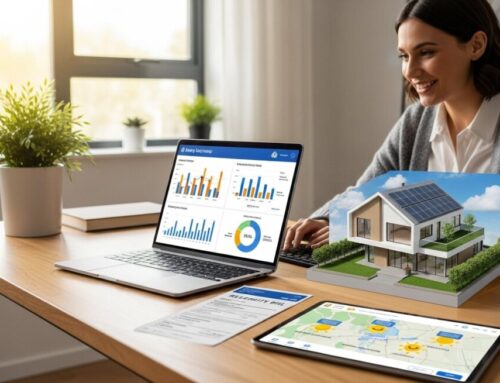
The process of going solar is straightforward when handled by professionals. It begins with a consultation and a detailed assessment of your home’s energy needs and physical characteristics. A good installer will analyze your past electricity bills, evaluate your roof, and discuss your goals to design a system that’s right for you.
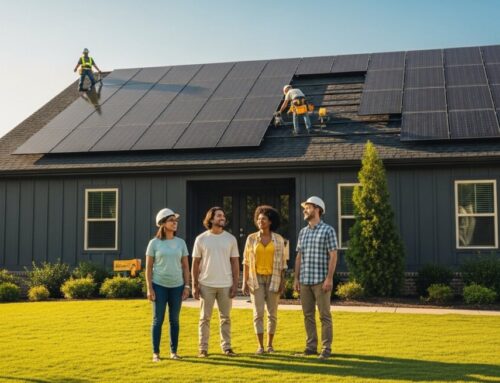
Once you approve the design, the installer handles the heavy lifting. They will pull all necessary permits from your city or county, ensuring the installation meets all local building and electrical codes. They also manage the paperwork for connecting your new system to the utility grid and apply for all applicable incentives on your behalf.
- Home Energy Assessment & Design: Review your energy use and create a custom system plan.
- Permits & Approvals: The installer secures all required permits and utility interconnection agreements.
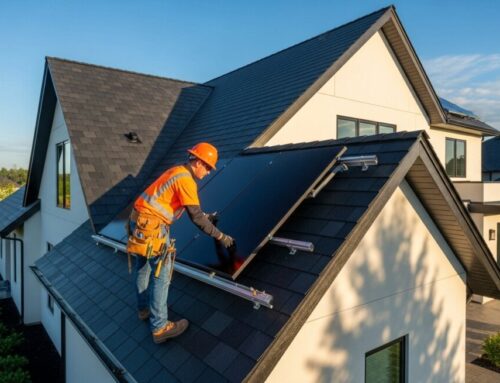
- Equipment Delivery & Installation: Panels, inverters, and racking are delivered and installed on your roof.
- Inspections & Activation: The system is inspected by local authorities and the utility company before being turned on.
Speaking with experienced installers can help you determine the best solar solution for your home. Compare solar quotes here or call to explore available options.
Signs Your Home May Be Ideal for Solar
While many homes are good candidates, some characteristics make solar an especially attractive investment. The most obvious is strong, unobstructed sunlight on your roof for the majority of the day. South-facing roofs are typically ideal in the Northern Hemisphere, but east and west-facing roofs can also work very well.
If you have high monthly electricity bills, solar can provide substantial relief. The more you currently pay for electricity, the greater your potential savings with solar. This makes solar a powerful financial tool for households with high energy usage from air conditioning, electric vehicles, or large families.
- You pay high monthly electricity bills.
- Your roof receives direct sunlight for most of the day.
- You have a suitable roof space that is not heavily shaded.
- You plan to own your home for the next 5-10 years.
- Your state and utility offer strong financial incentives.
- You are interested in reducing your environmental impact.
What Affects Solar Installation Costs
The final cost of your solar system is influenced by several key factors. The size of the system, measured in kilowatts (kW), is the primary driver. A larger system that covers 100% of your electricity needs will cost more upfront but will also deliver greater lifetime savings. Your installer will right-size the system based on your historical energy consumption.
Equipment quality and choice also play a role. Premium, high-efficiency panels may cost more but produce more energy in a limited space. The type of inverter (the device that converts solar energy into usable electricity) can affect cost and performance. Importantly, as discussed in our guide on large-scale renewable energy, the technology and economies of scale that benefit solar farms also trickle down, making residential equipment more affordable and efficient over time.
Finally, your local market and incentives have a massive impact. Installation labor costs vary by region, and the available state rebates or tax credits can reduce your net cost by thousands of dollars. This is why getting localized quotes is so critical.
The cost of solar installation varies depending on your home and energy needs. Request personalized solar quotes or call to see what options are available.
Tips for Choosing a Reliable Solar Installer
Selecting the right installer is as important as choosing the right equipment. A reputable company will ensure a smooth process, proper system design, and long-term performance. Start by looking for installers with strong experience and certifications, such as the North American Board of Certified Energy Practitioners (NABCEP).
Always review the warranties offered. A strong installer will provide a workmanship warranty covering the installation itself, on top of the manufacturer warranties for panels and inverters. This protects your investment for 10 to 25 years. Don’t hesitate to ask for references and read online reviews from past customers.
- Verify licenses, insurance, and certifications (like NABCEP).
- Choose an installer with several years of local experience.
- Review the scope and length of all warranties carefully.
- Read customer reviews and ask for local references.
- Get detailed, written quotes from at least three different companies.
- Ensure they handle all permitting and incentive paperwork.
Long-Term Benefits of Installing Solar Panels
The most immediate and ongoing benefit is dramatically lower electricity bills. Once your system is operational, you will generate a large portion of your own power, slashing your monthly utility costs. Over the 25+ year lifespan of a system, these savings can amount to tens of thousands of dollars, far outweighing the initial investment.
Solar panels also increase your home’s market value. Studies consistently show that homes with solar panels sell faster and for more money than comparable homes without them. Buyers appreciate the locked-in low energy costs. Furthermore, many states offer property tax exemptions, so this increased value won’t raise your property taxes.
Beyond finances, you gain resilience and peace of mind. You are contributing to a cleaner grid and reducing pollution. With a battery backup, you can keep your lights on during grid outages. Ultimately, solar power provides a predictable energy cost, independence from utility rate volatility, and the satisfaction of generating your own clean power.
How much can I really save with solar panels?
Your savings depend on your local electricity rates, system size, sunlight, and incentives. Most homeowners see a 50-100% reduction in their utility bill. Over 20 years, total savings often range from $20,000 to $70,000. A detailed quote from an installer will provide a personalized savings forecast.
What is the federal solar tax credit?
The federal Investment Tax Credit (ITC) allows you to deduct a percentage of your solar system’s cost from your federal income taxes. This is a direct dollar-for-dollar reduction of your tax liability. It significantly lowers the net price of going solar.
Do solar panels work in cold or cloudy climates?
Yes, solar panels work in cold, cloudy, and even snowy climates. They generate electricity from daylight, not heat. In fact, panels operate more efficiently in cooler temperatures. Germany, which has less sun than most of the U.S., is a world leader in solar energy.
How long do solar panels last?
Most solar panels come with a 25-year performance warranty guaranteeing they will still produce at least 80-92% of their original output at that time. The panels themselves can continue to produce electricity well beyond that timeframe.
Can I install solar panels myself?
While DIY kits exist, professional installation is strongly recommended. Installers ensure the system is safe, meets complex electrical and building codes, is eligible for incentives and warranties, and is properly connected to the grid. Mistakes can be costly and dangerous.
What happens if I sell my house?
Solar panels typically increase your home’s value and appeal to buyers. You can either pay off the solar financing before the sale, transferring the owned system to the new homeowner, or in some cases, the buyer can assume the payments. Studies show solar homes sell faster.
Exploring solar energy for your home is a smart step toward controlling costs and investing in a sustainable future. The combination of falling equipment prices and generous renewable energy incentives by state makes now an excellent time to consider your options. The best way to start is with clear, personalized information. By comparing detailed quotes from vetted, local installers, you can make a confident decision that will benefit your home and your budget for decades to come.