Solar Panel Systems: Save on Energy Bills and Gain Independence
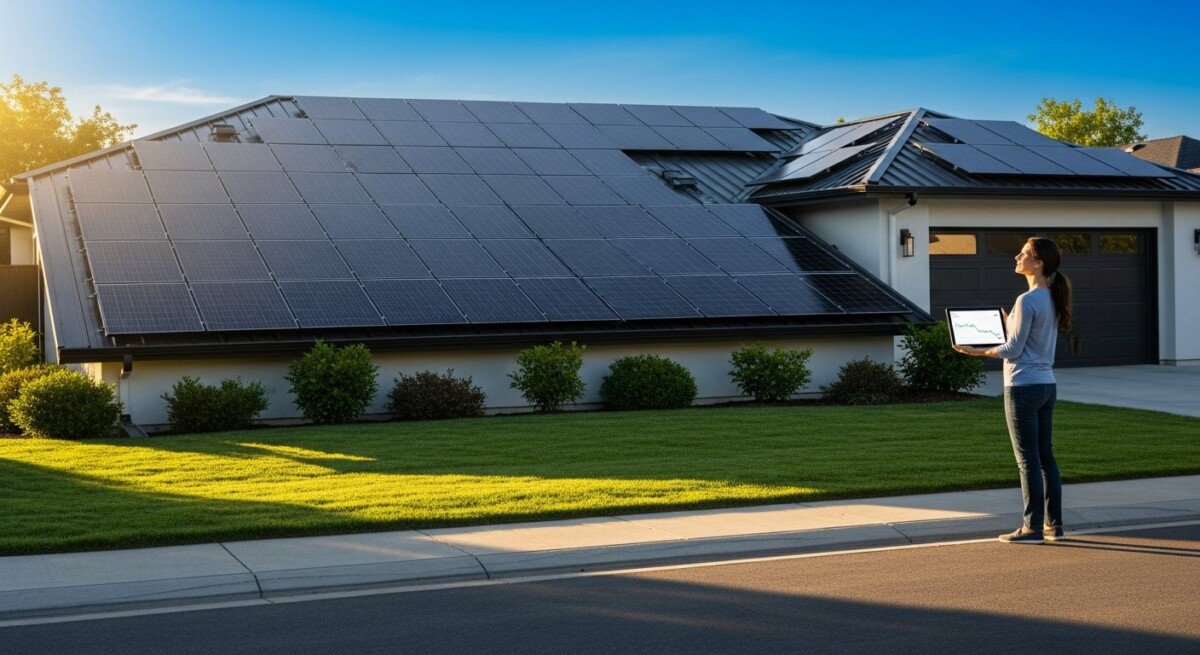
Have you watched your electricity bill climb higher each year? You’re not alone. Many homeowners are searching for a way to take control of their energy costs. Installing a solar panel system offers a powerful solution, reducing your monthly bills and making you less dependent on the unpredictable power grid.
Understanding Solar Panel Systems
A solar panel system for your home is a small power plant on your roof. It captures sunlight and converts it into electricity you can use to run your appliances, lights, and devices. This technology turns a free, abundant resource into power for your daily life.
The system is made of panels, an inverter, and a mounting structure. The panels collect sunlight, the inverter changes that energy into usable household electricity, and the mounting system secures everything safely to your roof. It’s a clean, silent process that happens whenever the sun is shining.
More homeowners are considering it because the technology is proven, reliable, and more affordable than ever. It’s a practical upgrade that pays for itself over time, much like investing in a new, energy-efficient appliance for your entire home.
Why Solar Energy Is Becoming More Popular
The primary driver is financial security. Utility rates have a history of rising, making your future energy costs uncertain. A solar system locks in a significant portion of your electricity at a predictable, stable cost for decades, protecting you from those increases.
Alongside savings, there’s a strong desire for energy independence. Generating your own power means you’re less vulnerable to grid outages and price spikes. It also provides a tangible way to reduce your household’s environmental impact by using a renewable resource.
Government incentives and rebates have also made solar accessible. Programs like the federal solar tax credit can reduce your system’s upfront cost by a substantial percentage. These financial benefits, combined with long-term savings, make the switch a compelling smart investment.
If you are considering solar power for your home, comparing installation quotes can help you understand your options. Request a free solar quote or call to learn more.
Common Questions Homeowners Have About Solar
It’s normal to have questions about such a significant home improvement. The good news is that most concerns have straightforward answers based on decades of real-world use. Professional installers are experts at addressing these questions clearly.
Cost is often the first hurdle, but it’s important to view it as a long-term investment. With financing options and incentives, monthly loan payments can be less than your current electric bill, leading to immediate savings. The system then produces free power for years after it’s paid off.
Homeowners also wonder about their roof’s suitability and what happens on cloudy days. Modern systems are efficient and generate power even in indirect light. A qualified installer will assess your roof’s structure, angle, and shading to design a system that performs optimally for your specific home.
- How much does a solar panel system cost?
- Is my roof suitable for solar panels?
- What happens when the sun isn’t shining?
- How long will the installation process take?
- Do solar panels require a lot of maintenance?
- Will solar panels increase my property taxes?
How Solar Panel Installation Works
The installation process is managed start-to-finish by your chosen company. They handle the technical details, paperwork, and coordination, making it a smooth experience for you. From initial consultation to flipping the switch, you have a dedicated guide.
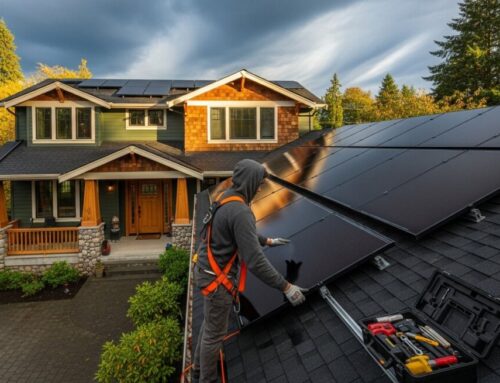
A professional installer begins with a detailed assessment of your energy needs and your home’s solar potential. They then design a custom system, secure all necessary permits from your local authorities, and schedule the physical installation with a trained crew.
- Home Energy Assessment & Consultation: Review your bills, evaluate your roof, and discuss goals.
- System Design & Proposal: Receive a custom layout, equipment recommendations, and a detailed quote.
- Permits & Approvals: The installer files for building permits and utility interconnection agreements.
- Panel Installation: The mounting system, panels, inverter, and wiring are installed, typically in 1-3 days.
- Inspections & Activation: After a final inspection by the city and utility, your system is turned on.
Speaking with experienced installers can help you determine the best solar solution for your home. Compare solar quotes here or call to explore available options.
Signs Your Home May Be Ideal for Solar
While many homes are good candidates, some characteristics make the investment particularly advantageous. The most important factor is your roof’s exposure to sunlight throughout the day. A clear, south-facing roof is ideal, but east and west-facing roofs also work very well.
Your current energy consumption and costs are another key indicator. If you have high electricity bills, you have more potential savings to capture, improving the return on your investment. Homeowners planning to stay in their house for the long term will see the greatest financial benefit.
- You have a roof with good sun exposure for most of the day.
- You receive high monthly electricity bills.
- Your roof is in good condition and has ample, unshaded space.
- You plan to own your home for the next 5-10 years or more.
- You live in an area with strong net metering policies from your utility.
- You are interested in reducing your carbon footprint.
What Affects Solar Installation Costs
The final price of your system depends on several key factors. The system’s size, measured in kilowatts (kW), is the biggest driver,a larger system for a bigger home costs more but also generates more savings. The quality and efficiency of the panels and inverter you choose also influence the price.
Installation complexity matters too. A simple, single-plane roof is easier to work on than a multi-angled roof with skylights. Critically, local and federal incentives directly lower your net cost. The federal tax credit, for example, offers a significant discount, and many states and utilities offer additional rebates.
It’s important to get detailed quotes that break down equipment, labor, and projected savings. This allows for an apples-to-apples comparison. For those considering future expansion, it’s wise to discuss scalability with your installer from the start; our guide on adding more solar panels to your system explains the key planning considerations.
The cost of solar installation varies depending on your home and energy needs. Request personalized solar quotes or call to see what options are available.
Tips for Choosing a Reliable Solar Installer
Your installer is your partner in this project, so choosing a reputable company is crucial. Look for established companies with strong local experience and a track record of successful installations in your area. They will understand local regulations, utility policies, and climate considerations.
Always check licenses, insurance, and warranties. A strong warranty covers both the equipment (often 25 years for panels) and the installer’s workmanship. Don’t hesitate to ask for references and read online reviews to hear about other customers’ experiences.
- Verify they are licensed, insured, and certified (e.g., by NABCEP).
- Choose a local company with several years of experience.
- Review the details of their equipment and workmanship warranties.
- Read customer reviews and ask for references.
- Always compare multiple detailed quotes.
- Ensure they handle the entire permit and interconnection process.
Long-Term Benefits of Installing Solar Panels
The most immediate and consistent benefit is dramatically lower electricity bills. You will generate your own power, slashing your monthly utility costs for the 25+ year life of the system. This predictable energy cost acts as a hedge against rising utility rates.
Solar panels are also a proven home improvement that increases property value. Studies show homes with solar sell for more and often faster than comparable homes without. You also gain peace of mind from contributing to a cleaner environment and achieving greater energy self-reliance, a feeling that is amplified if you pair your system with a battery for backup power, similar to the concept behind a 12V solar panel battery charger for off-grid freedom.
Over the long term, the financial return can be excellent. Once the system has paid for itself, the electricity it produces is essentially free. This creates decades of energy security and savings that can be redirected to other family goals.
How much can I really save with solar panels?
Savings depend on your local sun, electricity rates, and system size. Many homeowners save 50-100% on their electric bills. Over 20 years, total savings often reach tens of thousands of dollars, far exceeding the system’s initial cost.
Do solar panels work in cold or cloudy climates?
Yes, solar panels work in cold, cloudy, and even snowy climates. They generate power from daylight, not heat. Cold temperatures can actually improve panel efficiency. Modern systems are designed to perform well in a variety of weather conditions.
What is net metering and how does it work?
Net metering is a billing arrangement with your utility. When your panels produce more power than you use, the excess is sent to the grid, and your meter runs backward, giving you credit. You then use these credits at night or on cloudy days.
How long does a solar panel system last?
Solar panels are extremely durable and typically come with a 25-year performance warranty. It’s common for them to continue producing electricity well beyond that timeframe. The inverter may need replacement once during the system’s life.
Can I go off-grid with solar panels?
Going completely off-grid requires a much larger system and significant battery storage, which increases cost and complexity. Most homeowners choose grid-tied systems for reliability and cost-effectiveness, using the grid as a backup.
What maintenance do solar panels need?
Solar panels require very little maintenance. Occasional cleaning with water to remove dust or debris is usually sufficient. Your installer will monitor system performance, and you should have it professionally inspected every few years.
Exploring solar energy for your home is a smart step toward financial predictability and energy independence. By understanding how solar panel systems work and their long-term benefits, you can make a confident decision. The best next step is to gather information specific to your home by comparing quotes from trusted, local installers.