Solar Panel Recycling End of Life Options in the US
Explore solar panel recycling end of life options in the US. Call (833)-434-4023 to plan your system's sustainable retirement.

By Isaac Reed
Learn more about Solar Panel Installation and Repair for guides, costs, and what to expect.
Compare Solar Panel Installation and Repair Pros Near You

Enter your ZIP code to compare top-rated local professionals and request free quotes.
Your solar panels have powered your home for decades, but what happens when they finally stop producing? In the United States, a growing number of options exist to recycle or repurpose retired panels, turning waste into a resource. With millions of panels expected to reach end of life by 2030, understanding these pathways is essential for homeowners, businesses, and installers alike. This guide explores the practical, financial, and environmental aspects of solar panel recycling end of life options United States, helping you plan ahead and make responsible choices.
What Materials Can Be Recovered from a Solar Panel?
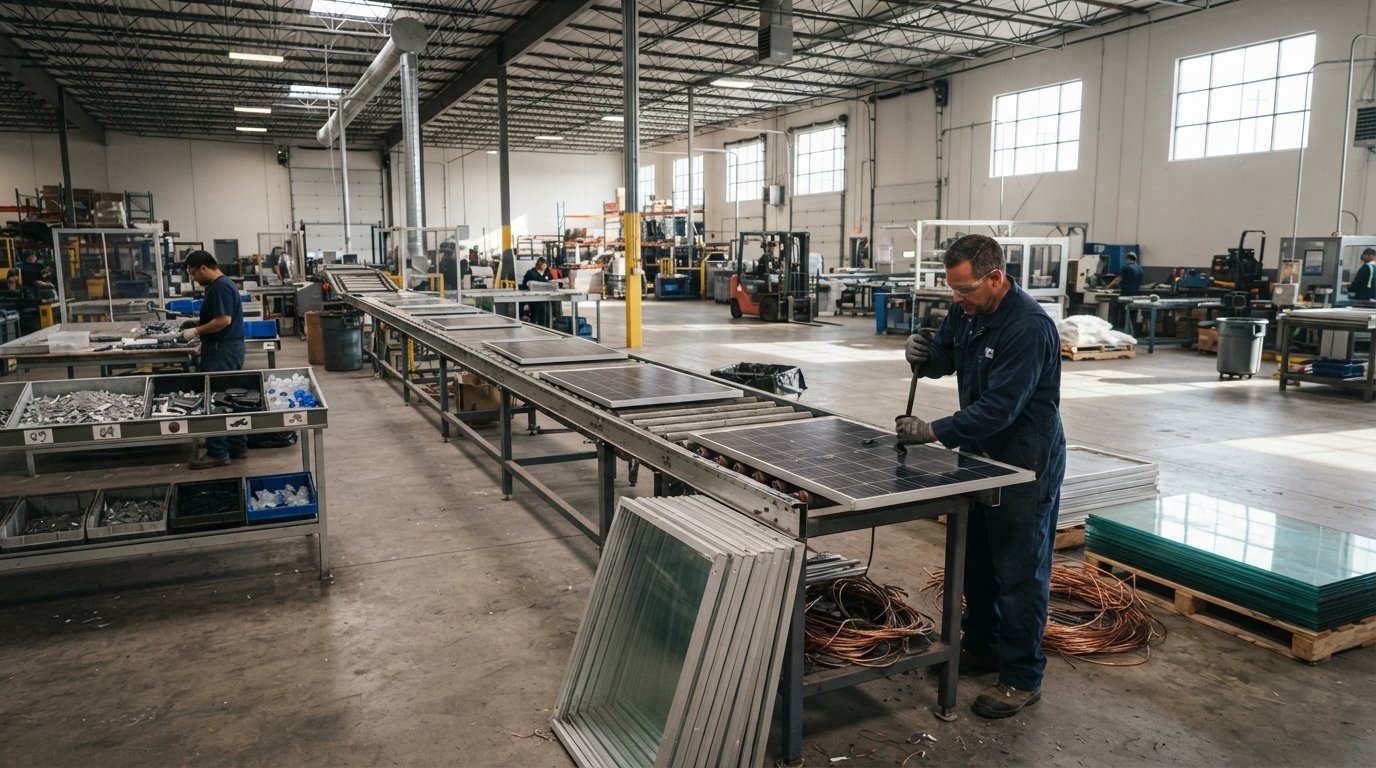
Solar panels are not just glass and metal; they contain valuable materials that can be recovered and reused. The typical crystalline silicon panel consists of glass (about 75% by weight), aluminum frame (10%), polymer encapsulant, copper, silver, and small amounts of silicon and other metals. Thin-film panels, such as CdTe, contain cadmium and tellurium, which require specialized handling but are also highly recoverable.
Recycling processes typically begin with disassembly, removing the aluminum frame and junction box. The remaining laminate is then shredded or heated to separate glass, silicon, and metals. Advanced methods like chemical leaching can recover high-purity silver and copper. The recovered glass can be used in new glass products, while silicon can be refined for new solar cells or other electronics.
Recovering these materials reduces the need for virgin resources and keeps toxic substances out of landfills. For instance, cadmium in thin-film panels is hazardous, so proper recycling is critical. By choosing a recycler that maximizes material recovery, you contribute to a circular economy for solar.
States with Active Panel Recycling Programs or Mandates
While there is no federal mandate for solar panel recycling in the US, several states have taken the lead. Washington state passed the first solar stewardship law in 2017, requiring manufacturers to finance the takeback and recycling of panels sold in the state. This program is set to launch in 2025, with a network of collection sites and certified recyclers.
California is another pioneer. The state's Department of Toxic Substances Control classifies solar panels as universal waste, which simplifies handling and encourages recycling. California also funds pilot projects and supports the development of in-state recycling infrastructure. New York and New Jersey are exploring similar legislation, while Minnesota and North Carolina have studies underway.
These state-level actions signal a growing recognition of the need for end-of-life solutions. If you live in a state without a program, you can still recycle through private companies or manufacturer takeback programs. Always check local regulations, as some states may have specific disposal bans or requirements.
Cost and Logistics of Removing and Transporting Retired Panels
Removing solar panels is not a DIY job for most homeowners. Panels are heavy, fragile, and often mounted on roofs, requiring professional handling to avoid injury and damage. The cost to remove a residential system typically ranges from $1,000 to $3,000, depending on system size, roof type, and labor rates. Transportation to a recycling facility adds another $200 to $800, especially if the facility is far away.
Recycling fees vary widely. Some recyclers charge by weight, from $0.10 to $0.50 per pound, while others offer free drop-off for large quantities. In states with stewardship programs, the cost is covered by manufacturers, so you may pay nothing. However, in most areas, you should budget for both removal and recycling fees.
Logistics involve careful packing to prevent breakage during transit. Panels should be stacked with foam or cardboard between them and secured on a pallet. Many recyclers offer pickup services for a fee, which can simplify the process. If you are replacing your system, ask your installer about end-of-life planning; they may partner with a recycler to handle everything.
Emerging Recycling Companies and Take-Back Programs in the US
The US solar recycling industry is still nascent but growing fast. Companies like First Solar, a major panel manufacturer, operates a dedicated recycling facility that can recover over 90% of materials from its thin-film panels. Veolia, a global waste management firm, has invested in solar recycling plants in several states. Other players include Recycle PV, which offers mail-back kits for small quantities, and ERI, which specializes in electronic waste and now accepts solar panels.
Manufacturer take-back programs are also emerging. Some brands, like SunPower and LG, offer recycling options when you purchase a new system. These programs often provide prepaid shipping labels or coordinate pickup. Additionally, industry groups like the Solar Energy Industries Association (SEIA) are working to standardize recycling practices and increase access.
For homeowners, the best approach is to contact your installer or search for certified recyclers through directories like the Solar Energy Industries Association's recycling database. Always ask about their downstream processes; a responsible recycler will be transparent about where materials end up.
How to Include End-of-Life Planning in a New Solar Purchase
When you invest in a new solar system, you can build in end-of-life planning from day one. Start by asking your installer about their recycling partnerships and whether they offer takeback services. Some companies include recycling in the initial quote, so you know it is covered decades later. You can also look for panels with longer warranties, as they may delay the need for replacement.
Another strategy is to choose panels that are easier to recycle. For example, panels with frameless designs or fewer polymers can simplify material separation. Additionally, consider leasing or power purchase agreements (PPAs) that include end-of-life management; the owner (the leasing company) is responsible for disposal.
Finally, document your system's details, including model numbers and installation date, and keep them with your home records. This information helps future owners or recyclers identify materials. By planning ahead, you avoid the surprise of disposal costs and ensure your system's legacy is a sustainable one.
If you are exploring solar for your home, our guide on solar panel heater for eco-friendly heating explains how to integrate heating solutions with your solar setup, further reducing your carbon footprint.
Environmental and Economic Benefits of Recycling
Recycling solar panels conserves resources and reduces greenhouse gas emissions. Mining and processing virgin materials like silver and silicon are energy-intensive; using recycled materials cuts that energy use by up to 70%. It also prevents toxic metals from leaching into soil and water.
Economically, recycling creates jobs in collection, processing, and manufacturing. The solar recycling industry is projected to grow significantly, offering new opportunities for green careers. Moreover, as raw material prices rise, recovered materials become more valuable, making recycling a financially sound choice.
For homeowners, recycling can also enhance your property's sustainability credentials. If you are planning to sell, highlight your system's end-of-life plan as a selling point. Buyers increasingly value homes with responsible energy management.
Challenges and the Road Ahead
Despite progress, challenges remain. The lack of federal policy creates a patchwork of regulations, confusing consumers. Recycling infrastructure is insufficient in many regions, leading to long transport distances and higher costs. Additionally, many panels are exported or landfilled because recycling is not economically viable at scale.
To overcome these hurdles, industry experts advocate for extended producer responsibility (EPR) laws, which would require manufacturers to fund recycling. They also call for investment in research to improve recycling efficiency and reduce costs. As more states adopt EPR, the US can move toward a circular solar economy.
For now, homeowners can do their part by choosing responsible recyclers and advocating for better policies. By staying informed, you help drive demand for sustainable end-of-life solutions.
As you consider your solar journey, remember that recycling is not just an afterthought; it is a vital part of being a responsible solar owner. Whether you are installing a new system or retiring an old one, explore the options available in your area. For professional guidance on solar installations, repairs, or end-of-life planning, visit Moving.Homes for relocation resources that can help if you are moving and need to manage your solar system. With careful planning, you can ensure your solar panels contribute to a cleaner future long after they stop generating electricity.