Solar Panel Efficiency Explained: Save More on Energy Bills
If you’ve watched your electricity bill climb year after year, you’re not alone. Many homeowners are now looking for a reliable way to reduce their energy costs and gain independence from the unpredictable grid. This search often leads to exploring solar power, and a key part of that research is understanding solar panel efficiency explained in simple terms.
Understanding Solar Panel Efficiency Explained
At its core, solar panel efficiency is a measure of how well a panel converts sunlight into usable electricity. Think of it like the miles-per-gallon rating for your car. A more efficient panel will generate more power from the same amount of sunlight hitting your roof compared to a less efficient one.
This percentage is determined in lab conditions. For example, a panel with 20% efficiency converts one-fifth of the solar energy that strikes it into electrical energy. While higher efficiency sounds universally better, it’s just one piece of the puzzle when designing a system that maximizes your long-term financial savings.
What Does the Efficiency Percentage Mean for You?
In practical terms, higher efficiency panels produce more power in a smaller space. This can be crucial if your roof has limited, shaded, or oddly shaped areas suitable for panels. With efficient panels, you might need fewer of them to meet your energy goals, which can simplify installation and improve aesthetics.
Why Solar Energy Is Becoming More Popular
Homeowners are turning to solar at a record pace, driven by a powerful combination of financial and environmental incentives. Rising utility rates make locking in a low, predictable cost for your own power generation an increasingly smart financial move. Solar panels are a proven technology that can shield you from future price hikes for decades.
Beyond the wallet, there’s a strong desire to reduce one’s carbon footprint and contribute to a cleaner environment. Generating your own renewable energy provides a tangible sense of energy independence and security. Combined with available government incentives and rebates, which significantly lower the upfront cost, the switch to solar has never been more accessible or compelling.
If you are considering solar power for your home, comparing installation quotes can help you understand your options. Request a free solar quote or call to learn more.
Common Questions Homeowners Have About Solar
It’s normal to have questions before making a significant home improvement investment. Many wonder about the true cost versus the long-term savings, or if their roof is even suitable. Others are concerned about maintenance or how the system will perform on cloudy days.
A trustworthy solar installer will patiently address all these concerns. They can provide clear projections of your savings, assess your roof’s condition and sun exposure, and explain how modern systems are designed to be durable and low-maintenance. Getting detailed answers is a key step in feeling confident about your decision.
- How much will a solar system actually cost after incentives?
- Is my roof strong enough, and does it get enough sun?
- What happens to my solar panels when it’s cloudy or at night?
- How long will the installation process take?
- Do solar panels require a lot of maintenance?
- Will solar panels increase my property value?
How Solar Panel Installation Works
The journey to solar power is a structured process handled by professionals, making it smooth for you. It begins with a detailed consultation and energy assessment to understand your consumption patterns and goals. The installer then designs a custom system tailored to your roof and electricity needs.
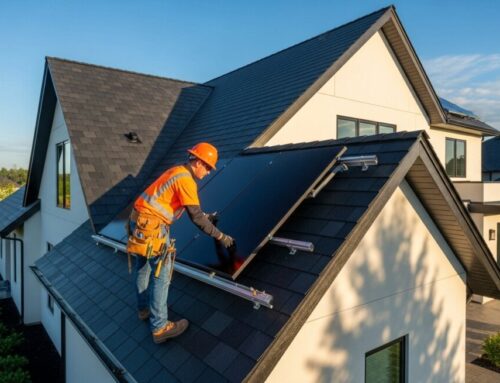
They manage all the necessary permits and paperwork, which is a major benefit of working with an experienced company. The physical installation is typically quick, followed by inspections and finally, connecting your system to the grid. You’ll be guided every step of the way toward generating your own clean power.
- Home Energy Assessment & Consultation: Reviewing your bills and evaluating your site.
- System Design & Proposal: Creating a custom plan and financial analysis.
- Permits & Approvals: Securing local permits and utility interconnection agreements.
- Panel Installation: Mounting racks, installing panels, and electrical work.
- Inspections & Activation: Final approvals and flipping the switch to start producing power.
Speaking with experienced installers can help you determine the best solar solution for your home. Compare solar quotes here or call to explore available options.
Signs Your Home May Be Ideal for Solar
While solar can work in many situations, some homes are naturally positioned to reap greater benefits. The most obvious factor is a roof with strong, unobstructed sunlight exposure for most of the day, typically facing south, east, or west. Homes with higher-than-average electricity bills stand to save the most money, making the investment pay off faster.
You don’t need a perfectly new roof, but one with ample, unshaded space and several years of remaining life is ideal. Furthermore, if you plan to stay in your home for the long term, you’ll fully enjoy the decades of energy bill savings and increased property value. For a deeper dive into financial planning, our guide on solar panel cost estimates for homeowners breaks down the numbers.
- Your roof receives direct sunlight for 6+ hours a day.
- You have high monthly electricity bills.
- Your roof has sufficient, unshaded space.
- You plan to own your home for 5+ years.
- Your roof is in good condition or will soon be replaced.
- You live in an area with good net metering policies.
What Affects Solar Installation Costs
The final price of your solar system is influenced by several key factors. The size of the system, measured in kilowatts, is the primary driver,it needs to be large enough to cover your energy usage. The quality and efficiency of the equipment you choose, including panels and inverters, also play a significant role.
Installation complexity, such as roof type, pitch, and electrical upgrades, can affect labor costs. Most importantly, available federal tax credits, state rebates, and local utility incentives can dramatically reduce your net cost. A professional installer will help you navigate all these variables to find the best value.
The cost of solar installation varies depending on your home and energy needs. Request personalized solar quotes or call to see what options are available.
Tips for Choosing a Reliable Solar Installer
Selecting the right installer is as crucial as choosing the right equipment. Look for a company with strong experience, proper licensing, and certifications from manufacturers. They should offer robust warranties on both their workmanship and the equipment they install.
Always check customer reviews and ask for references to gauge their reputation and service quality. Most importantly, get detailed proposals from multiple companies. Comparing solar installation quotes ensures you get a fair price and allows you to evaluate different approaches and equipment recommendations side-by-side.
- Verify licenses, insurance, and industry certifications (like NABCEP).
- Review the company’s experience and ask for local references.
- Understand the full warranty coverage for equipment and labor.
- Get and compare multiple detailed, written quotes.
- Ensure they handle all permitting and interconnection paperwork.
- Choose a communicator who listens and explains things clearly.
Long-Term Benefits of Installing Solar Panels
The most immediate and impactful benefit is the dramatic reduction in your monthly electricity bills, often eliminating them entirely. Over 25+ years, these savings can amount to tens of thousands of dollars, providing excellent return on investment. Studies consistently show that solar panels increase home value, making your property more attractive to future buyers.
You’ll also gain peace of mind by protecting yourself from rising energy costs and increasing your home’s resilience. By generating clean power, you make a direct, positive contribution to reducing air pollution and combating climate change. This combination of financial security, energy independence, and environmental stewardship is the powerful, long-term value of solar energy. For homeowners in specific regions, understanding local factors is key, as detailed in our resource on solar panel installation in Miami FL.
How long do solar panels last?
Most high-quality solar panels come with a performance warranty guaranteeing they will still produce at least 80-90% of their original output after 25 to 30 years. The panels themselves can continue generating electricity well beyond that timeframe, making them a truly long-term investment for your home and energy savings.
Do I need battery storage with my solar panels?
Not necessarily. Most homes start with a grid-tied system without batteries, which is more affordable. Batteries provide backup power during outages and can increase energy independence, but they add significant cost. Your installer can help you decide if batteries align with your goals for resilience and savings.
What is net metering?
Net metering is a crucial utility policy that credits you for excess solar energy you send back to the grid. When your panels produce more than you use (like on a sunny afternoon), your meter runs backward, building credits. You then use those credits at night or on cloudy days, effectively using the grid as a “battery.”
Can I install solar panels myself?
While DIY solar kits exist, professional installation is highly recommended. Installers ensure the system is correctly designed, safely installed, compliant with all local building and electrical codes, and eligible for utility interconnection and incentives. Mistakes can be costly and dangerous.
What happens if I sell my house with solar panels?
Solar panels are a major home upgrade that typically increases property value and marketability. Studies show homes with solar sell faster and for more money. You can either pay off the system and transfer the full value to the new owner, or the buyer can assume your solar loan/lease, depending on your financing.
How much maintenance do solar panels require?
Solar panels require very little maintenance. Occasional cleaning with water to remove dust, pollen, or bird droppings is usually sufficient, and rain often does this job. You should also ensure trees don’t grow to shade them. Most installers recommend an annual check-up to ensure all components are functioning optimally.
Understanding solar panel efficiency is a vital step in making an informed decision about powering your home with clean, renewable energy. By focusing on your long-term savings, energy independence, and environmental impact, you can see the true value a solar system provides. The best next step is to gather information tailored to your specific home by comparing detailed quotes from trusted, local installers.