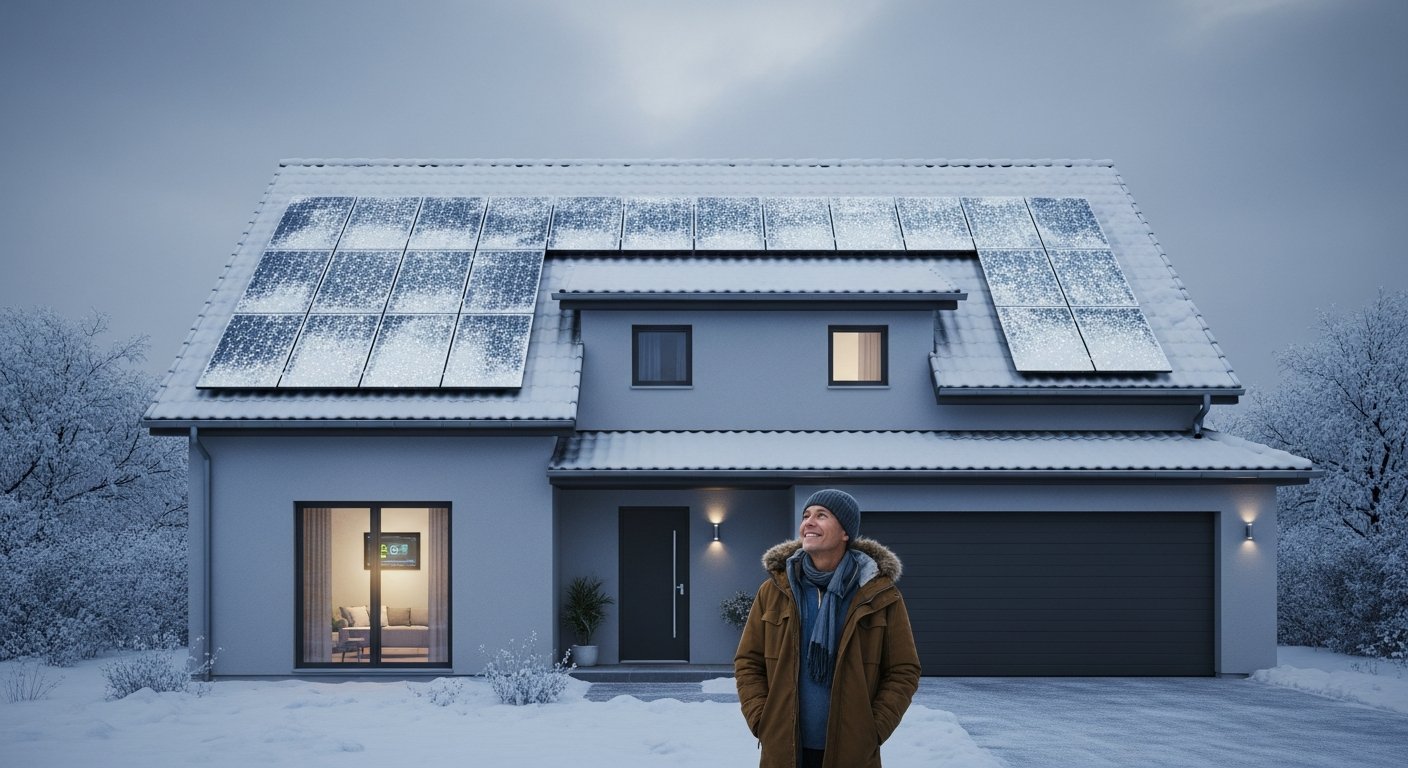
Solar Myths: Separating Fact From Fiction for Homeowners
Understand the truth behind common solar myths to make an informed decision and start saving on energy bills while reducing your carbon footprint.

By Mason Carter
Learn more about Solar Panel Installation and Repair for guides, costs, and what to expect.
Compare Solar Panel Installation and Repair Pros Near You

Enter your ZIP code to compare top-rated local professionals and request free quotes.
Every day, thousands of homeowners miss out on significant energy savings because of misinformation about solar power. You have probably heard a neighbor say that panels are useless in winter or that installation costs are so high you will never break even. These solar myths have been repeated so often that they feel like common sense. But the reality of photovoltaic technology is far more encouraging. Let us examine the most persistent solar myths, trace where they came from, and show you why the truth is better for your wallet and the planet.
Myth 1: Solar Panels Do Not Work in Cloudy or Cold Weather
One of the most widespread solar myths is that panels require constant direct sunlight to generate electricity. In truth, modern solar panels rely on daylight, not direct sunlight. Photovoltaic cells convert photons from any light source even on overcast days. Germany, a country with famously grey skies, is one of the world's leading solar energy producers. Cold temperatures actually improve efficiency because electrical resistance drops, allowing panels to perform better than they would on a scorching summer afternoon. Snow can also reflect extra light onto panels, boosting output. The key is proper tilt and orientation, which professional installers handle as part of the design.
Homeowners in regions with variable weather still see substantial annual savings because net metering credits them for excess energy produced during sunny periods. If you live in the Pacific Northwest or the Northeast, do not let cloud cover discourage you. Solar energy is a year-round investment.
Myth 2: Solar Is Too Expensive for Average Homeowners
This myth was grounded in truth a decade ago, but prices have dropped dramatically. The cost of solar panels has fallen by more than 70 percent since 2010. Combined with the federal solar tax credit (currently 30 percent) and state-level incentives, the upfront cost is no longer prohibitive. Many homeowners pay nothing out of pocket through solar loans or leases, and the monthly payment is often lower than their previous electric bill. Over the system's 25-year lifespan, the average homeowner saves between $20,000 and $50,000.
To put it in perspective, consider the following factors that shift the cost calculation:
- Federal Investment Tax Credit (ITC): Reduces your tax liability by 30 percent of the system cost.
- State and local rebates: Many states offer additional cash back or property tax exemptions.
- Net metering policies: You earn credits for excess power sent to the grid.
- Solar Renewable Energy Credits (SRECs): Some states pay you for the clean energy your system produces.
- Financing options: Zero-down loans and Power Purchase Agreements make solar accessible without a large upfront payment.
These mechanisms combine to make solar more affordable than most people imagine. SolarEnergy.ai provides a free solar calculator that uses your specific address and utility rates to show exactly how much you could save, removing guesswork from the decision.
Myth 3: Panels Will Damage Your Roof
Concerns about leaks and structural damage are common solar myths that deter many potential adopters. Professional solar installers use racking systems that attach to your roof rafters, not the shingles themselves. Flashing and sealants create a watertight barrier, and many installers offer a workmanship warranty that covers roof integrity for 10 to 25 years. In fact, the panels protect the area underneath from sun and rain, extending the life of those shingles.
If your roof needs replacement soon, some installers can plan the solar array to coincide with a new roof. Solar panels can also be temporarily removed and reinstalled after reroofing. The risk of damage is minimal when you hire a certified professional. Always request references and check for proper licensing and insurance before signing a contract.
Myth 4: Solar Batteries Are Essential for Every System
Many homeowners assume they cannot go solar without expensive battery storage. This is one of the solar myths that misleads people into delaying their decision. The majority of grid-tied solar systems operate without batteries. Net metering lets you use the grid as your virtual battery, drawing power at night and sending surplus back during the day. Batteries become valuable when you need backup power during blackouts or want to maximize self-consumption under time-of-use rates, but they are not a requirement. You can start with a standard system and add batteries later as prices continue to fall.
Myth 5: Solar Panels Require Constant Maintenance
Another barrier in solar myths is the idea that panels need frequent cleaning and upkeep. In reality, solar panels require very little maintenance. Rain washes away most dust and debris. In dry climates, an occasional hose rinse is sufficient. The important maintenance tasks are monitoring production via your inverter app and scheduling professional inspections every few years to check wiring and connections. Most solar panels come with a 25-year performance warranty, meaning the manufacturer guarantees they will produce at least 80 percent of their rated power after that time. There are no moving parts to wear out, and inverters typically last 10 to 15 years before needing replacement.
Myth 6: Solar Panels Will Make Your Home Harder to Sell
Some worry that sun-loving buyers are rare. On the contrary, studies show that homes with solar panels sell for a premium and spend less time on the market. A 2019 study by Zillow found that solar-equipped homes sold for 4.1 percent more on average. Buyers appreciate the lower utility bills and the environmental benefit. Leased systems can transfer to the new owner with an easy assumption process, though owned systems add the most value. If you plan to sell within a few years, choose a purchase option to maximize your return.
How to Verify Solar Information
With so much conflicting advice online, homeowners need a reliable method to separate fact from fiction. Follow these steps to evaluate any claim you encounter:
- Check the source. Government sites like Energy.gov and the Department of Energy provide unbiased data. University research papers are also trustworthy.
- Use a solar calculator. Tools from SolarEnergy.ai or the National Renewable Energy Laboratory give personalized estimates based on your location and roof details.
- Consult multiple installers. Get at least three quotes and compare their proposals. Reputable companies will explain warranties, financing, and expected production without pressure.
- Read your utility's net metering policy. Contact your local utility to confirm what rates and credits apply to solar customers.
- Ask about real performance data. Request examples of similar systems in your area to see actual monthly production figures.
By following this process, you protect yourself from the solar myths that have delayed countless families from enjoying lower energy costs.
Why These Myths Persist
The solar industry has grown rapidly, and outdated information often circulates longer than the technology it describes. Utilities with a financial interest in maintaining the status quo may emphasize negatives. Competitors in the fossil fuel sector have historically funded anti-solar messaging. Fortunately, increasing transparency from installers and independent review sites is making it easier to find accurate information. SolarEnergy.ai is committed to providing clear, actionable facts that help homeowners move forward confidently.
Real Savings Start with Real Facts
By now you can see that the most common solar myths do not hold up under scrutiny. Panels work in cloudy weather, costs have fallen dramatically, roofs stay intact, batteries are optional, maintenance is minimal, and home values rise. The only thing standing between you and lower electric bills is action. Start by using a free online tool to estimate your potential savings. Then reach out to a licensed installer who can provide a site-specific proposal. Every year you wait, you are paying your utility more than necessary. Let the truth about solar energy guide your next step.
Learn more about Solar Panel Installation and Repair for guides, costs, and what to expect.
Compare Solar Panel Installation and Repair Pros Near You
Enter your ZIP code to compare top-rated local professionals and request free quotes.