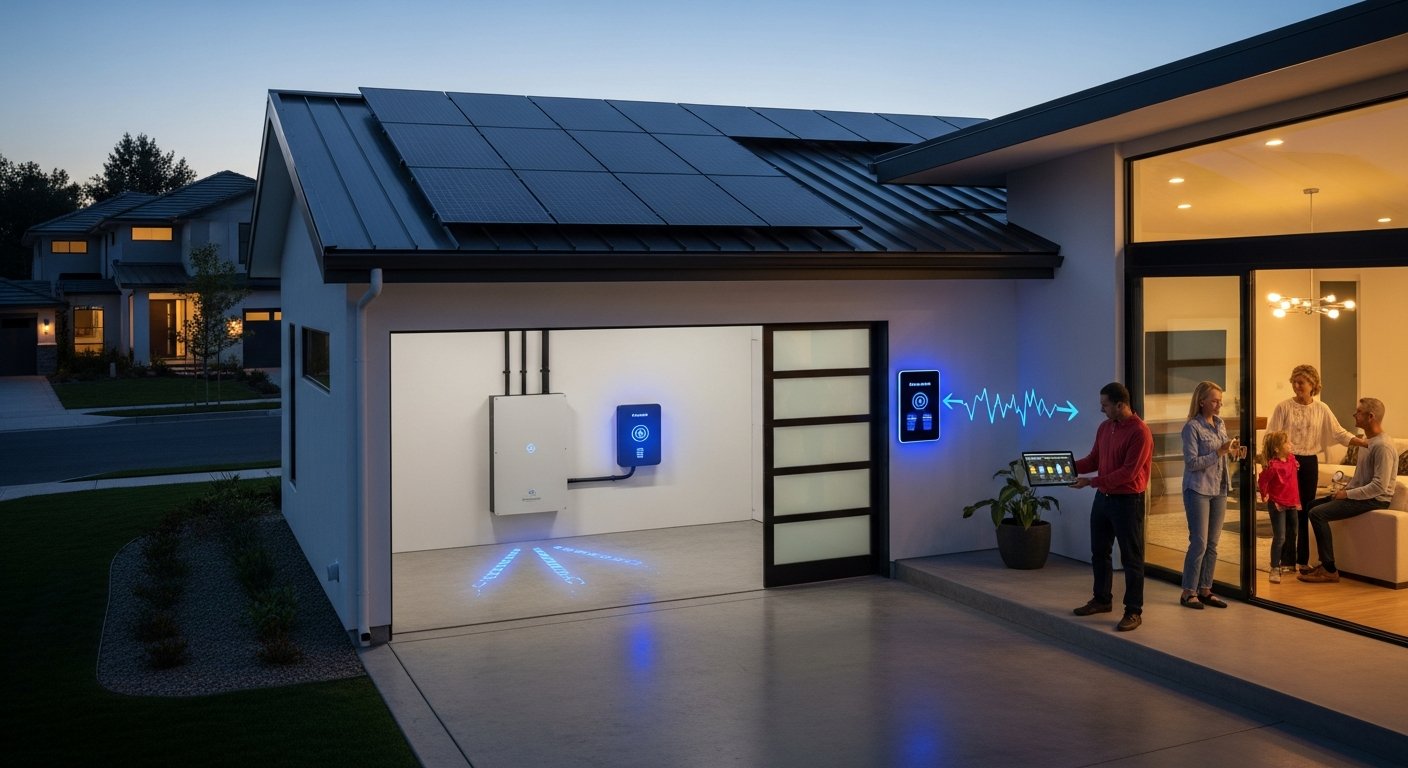
Solar Microgrids: Your Path to Energy Independence
Solar microgrids combine solar panels and battery storage to keep your home powered during outages while cutting electricity bills.

By Dylan Harris
Learn more about Solar Panel Installation and Repair for guides, costs, and what to expect.
Compare Solar Panel Installation and Repair Pros Near You

Enter your ZIP code to compare top-rated local professionals and request free quotes.
Imagine a power system that keeps your lights on when the central grid fails, reduces your monthly electricity bills, and gives you control over where your energy comes from. That is the promise of solar microgrids. These local, self-contained energy networks combine solar panels with battery storage and intelligent controls to generate, store, and distribute electricity independently of the main utility grid. For homeowners and businesses tired of rising rates and frequent outages, solar microgrids offer a practical, future-proof solution. This article explains how they work, what they cost, and why they are becoming a cornerstone of modern energy strategy.
What Is a Solar Microgrid?
A solar microgrid is a small-scale power system that generates electricity from solar panels, stores excess energy in batteries, and distributes it to a defined area such as a single home, a neighborhood, or a commercial campus. Unlike a standard solar panel system that relies on the utility grid for backup, a microgrid can operate in two modes: grid-connected and island mode. In grid-connected mode, it works alongside the utility, drawing power when needed and sending surplus energy back to the grid. In island mode, it disconnects from the utility entirely and runs solely on its own solar and battery resources.
This dual capability is what sets a microgrid apart from a simple rooftop solar array. The intelligent controller that manages the system constantly monitors energy production, consumption, and battery status. When the grid goes down, the controller automatically isolates the microgrid and switches to island mode, keeping critical loads powered. When grid power returns, it reconnects seamlessly. This autonomy is invaluable during blackouts caused by storms, wildfires, or utility infrastructure failures.
Key Components of a Solar Microgrid
A fully functional solar microgrid relies on several integrated components working together. Understanding these parts helps you evaluate what you need for your property.
- Solar Panels: Photovoltaic (PV) panels convert sunlight into direct current (DC) electricity. The number and wattage of panels determine the system's total generation capacity.
- Battery Storage: Lithium-ion or other advanced batteries store excess solar energy for use at night, on cloudy days, or during a grid outage. Storage capacity is measured in kilowatt-hours (kWh).
- Inverter and Controller: The inverter converts DC electricity from panels and batteries into alternating current (AC) used by household appliances. The microgrid controller manages power flow, decides when to charge or discharge batteries, and handles grid disconnection and reconnection.
- Transfer Switch: This safety device physically isolates the microgrid from the utility grid during island mode, preventing backfeed that could endanger utility workers.
- Monitoring System: Software that tracks real-time energy production, consumption, battery status, and grid conditions, accessible via smartphone or web dashboard.
Each component must be properly sized and configured for the specific load profile of the building or site. A professional energy survey, like those offered by SolarEnergy.ai, can determine the optimal combination of panels, batteries, and control hardware for your property.
How Solar Microgrids Benefit Homeowners
For homeowners, the most immediate benefit of a solar microgrid is energy resilience. When the central grid goes down due to a storm, wildfire, or rolling blackout, a microgrid automatically keeps your home powered. Refrigerators, lights, internet routers, medical devices, and heating or cooling systems continue to operate. This protection is especially valuable in regions prone to natural disasters or where utilities implement public safety power shutoffs.
Beyond resilience, solar microgrids also deliver significant financial savings. By generating your own electricity and storing it for later use, you reduce the amount of power you purchase from the utility. With net metering policies in many states, you can also earn credits for excess energy your system sends back to the grid. Over time, these savings offset the initial investment. Additionally, battery storage allows you to avoid peak-time electricity rates by using stored solar power during expensive utility peak hours.
Environmental impact is another strong motivator. A solar microgrid reduces reliance on fossil-fuel-generated electricity, lowering your carbon footprint. When paired with a whole-home battery system, you can achieve near-total energy independence from polluting power sources.
Commercial and Community Applications
Businesses, schools, hospitals, and community facilities face unique energy challenges. A power outage can halt operations, spoil inventory, and compromise safety. Solar microgrids provide these organizations with reliable backup power while also reducing operating costs. For example, a grocery store with a microgrid can keep refrigeration running during a blackout, preventing thousands of dollars in food loss. A community center can serve as an emergency shelter with lights, communications, and power for medical equipment.
Community microgrids, which serve multiple buildings or an entire neighborhood, are gaining traction as a way to enhance grid resilience at scale. These systems allow neighbors to share solar generation and battery storage, lowering individual costs while providing collective backup power. Some community microgrids are designed to operate indefinitely on solar and storage, making them ideal for remote areas or regions with unreliable utility service.
SolarEnergy.ai provides comprehensive energy surveys and project management for commercial and community microgrid projects, ensuring that the system design meets both current needs and future growth.
Cost and Incentives for Solar Microgrids
The cost of a solar microgrid varies widely based on system size, battery capacity, and installation complexity. A typical residential system with 10 kW of solar panels and 20 kWh of battery storage might range from $25,000 to $45,000 before incentives. Larger commercial systems can cost $100,000 or more. While the upfront investment is significant, federal and state incentives can reduce the net cost substantially.
The federal Investment Tax Credit (ITC) currently allows you to deduct 30% of the total system cost from your federal taxes. Many states and local utilities offer additional rebates, performance-based incentives, or property tax exemptions for solar and battery systems. Some utilities also provide grants or low-interest loans for microgrid installations, especially those that improve grid resilience. SolarEnergy.ai keeps its content updated with the latest incentive information and advises users to verify details with official sources, as policies change frequently.
When evaluating the financial case, consider the long-term savings on electricity bills, avoided costs from outage-related losses, and potential increases in property value. Homes with solar and battery systems often sell at a premium over comparable properties without them.
Steps to Building Your Own Solar Microgrid
Transitioning to a solar microgrid is a multi-step process that requires careful planning. Here is a simplified roadmap to guide you.
- Conduct an Energy Audit: Review your past electricity bills to understand your average monthly consumption in kWh. Identify which circuits you want to keep powered during an outage (refrigerator, lights, well pump, etc.). This determines the size of your solar array and battery.
- Assess Your Site: Evaluate your roof or ground space for solar panel placement. Check for shading from trees or nearby buildings. Ensure your electrical panel can accommodate the new equipment. A professional site assessment is highly recommended.
- Choose Your Equipment: Select solar panels, batteries, and an inverter/controller that meet your needs. Work with a reputable installer who can recommend compatible, high-quality components. SolarEnergy.ai can connect you with vetted professionals for quotes and installation.
- Secure Permits and Incentives: Your installer will handle local building permits and electrical inspections. They will also file the necessary paperwork for the federal ITC and any state or local incentives.
- Install and Commission: Professional installation typically takes one to three days for a residential system. After installation, the system is tested and commissioned to ensure it operates correctly in both grid-connected and island modes.
- Monitor and Maintain: Use your monitoring dashboard to track performance. Keep panels clean and schedule periodic inspections to ensure batteries and inverters are functioning optimally.
Each step benefits from expert guidance. SolarEnergy.ai offers a free solar energy quotes service that matches you with qualified installers who can handle the entire process from audit to commissioning.
Challenges and Considerations
While solar microgrids offer compelling advantages, they are not without challenges. The upfront cost remains the biggest barrier for many homeowners and small businesses. Although incentives help, the initial outlay can still be steep. Financing options, including solar loans and leases, can make the investment more manageable, but they also reduce long-term savings.
Battery technology, while rapidly improving, still has limitations. Current lithium-ion batteries have a lifespan of 10 to 15 years, meaning you will need to replace them at least once during the life of your solar panels. Recycling and disposal of old batteries is an environmental concern that the industry is working to address.
Regulatory hurdles can also arise. Some utility companies impose fees or restrictions on grid-connected microgrids, particularly regarding interconnection agreements and standby charges. Net metering policies vary by state and are subject to change. It is essential to work with an installer who understands local regulations and can help you navigate them.
Finally, size matters. A microgrid that is too small will not provide adequate backup power. One that is too large wastes money on unused capacity. Accurate load analysis and system sizing are critical to achieving the right balance between cost and performance.
SolarEnergy.ai helps users overcome these challenges by providing clear, accurate information and connecting them with experienced professionals who can design and install systems tailored to their specific situations.
Solar microgrids represent a fundamental shift in how we think about electricity. They move power generation from centralized, distant plants to local, user-controlled systems. For homeowners, businesses, and communities seeking reliability, savings, and sustainability, a solar microgrid is not just an upgrade. It is a strategic investment in energy autonomy. As technology advances and costs continue to decline, these systems will become an increasingly standard feature of modern properties. Whether you are planning for the next storm or preparing for a future powered by clean energy, exploring a solar microgrid is a step worth taking.
Learn more about Solar Panel Installation and Repair for guides, costs, and what to expect.
Compare Solar Panel Installation and Repair Pros Near You
Enter your ZIP code to compare top-rated local professionals and request free quotes.