Solar Energy Trends for Homeowners: Save on Electricity Bills

If you’ve opened your electricity bill recently and felt a sense of dread, you’re not alone. Many homeowners are seeing their energy costs climb steadily, pushing them to look for a reliable, long-term solution. This search often leads to exploring solar energy trends for 2026, which promise not just reduced monthly bills but also a powerful step toward energy independence and a cleaner home.
Understanding Solar Energy Trends for 2026
When we talk about solar energy trends for 2026, we’re looking at the advancements and market shifts that are making solar panels more efficient, affordable, and accessible for the average homeowner. It’s about understanding the technology that will be available to you in the near future, helping you make an informed decision today. These trends focus on maximizing the power you get from your roof and simplifying the entire process from purchase to installation.
The core idea is simple: solar panels on your roof convert sunlight into direct current (DC) electricity. An inverter then changes this into the alternating current (AC) electricity that powers your home. Any excess energy you produce can often be sent back to the grid for credits or stored in a home battery for use at night, making your home a mini power station.
Why Solar Energy Is Becoming More Popular
The primary driver for most homeowners is financial. With traditional electricity rates showing no sign of decreasing, locking in your own power source provides predictable energy costs for decades. Solar panels are a proven investment that can shield you from future utility price hikes, offering substantial long-term savings.
Beyond the wallet, there’s a growing desire for energy independence and environmental responsibility. Generating your own clean power reduces your reliance on the fluctuating grid and your household’s carbon footprint. It’s a practical way to contribute to a healthier planet while gaining control over a major household expense.
Government incentives and rebates also play a huge role. Federal, state, and local programs can significantly reduce the upfront cost of a solar installation. These financial benefits make the transition to solar more attainable than ever, improving the return on investment for families.
If you are considering solar power for your home, comparing installation quotes can help you understand your options. Request a free solar quote or call to learn more.
Common Questions Homeowners Have About Solar
It’s normal to have questions before making a significant home upgrade. The cost, process, and real-world benefits are top of mind for anyone researching solar panels. A reliable installer will take the time to answer all your questions clearly, ensuring you feel confident in your decision.
Many wonder if their home is suitable or if the investment is truly worth it. The good news is that solar technology has advanced to work efficiently in many climates, and financing options have evolved to meet different budgets. Getting a professional assessment is the best first step.
- How much do solar panels cost, and what is the payback period?
- Is my roof suitable for solar panels?
- What happens on cloudy days or at night?
- How long do solar panels last, and what maintenance is required?
- Will solar panels increase my property value?
- How do I navigate permits, incentives, and installation?
How Solar Panel Installation Works
The installation process is designed to be straightforward and managed by professionals from start to finish. A reputable company will handle every detail, from the initial home evaluation to the final connection to the grid. Your role is primarily to ask questions and make choices about your system.
The goal is a seamless experience that transforms your home’s energy profile with minimal disruption to your daily life. Understanding the steps can demystify the process and set clear expectations. For a deeper look at what to expect from the initial consultation, our guide on understanding solar energy quotes for homeowners breaks down the key components.
- Home Energy Assessment: An expert evaluates your roof, electricity usage, and goals.
- Custom System Design: A solar plan is created to maximize your savings and roof space.
- Permits and Approvals: Your installer manages all necessary paperwork with your city and utility company.
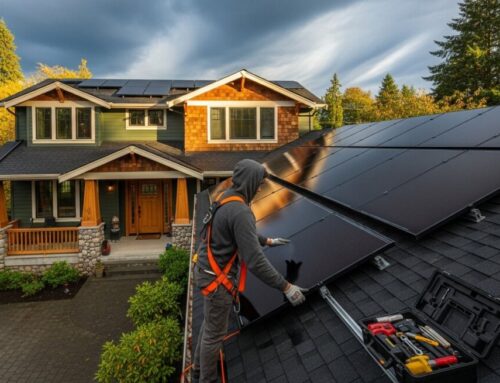
- Panel and Equipment Installation: The mounting system, panels, and inverter are securely installed.
- Final Inspection and Activation: After passing inspections, your system is turned on and starts generating power.
Speaking with experienced installers can help you determine the best solar solution for your home. Compare solar quotes here or call to explore available options.
Signs Your Home May Be Ideal for Solar
While most homes can benefit from solar, some characteristics make the investment particularly advantageous. The most obvious factor is your roof’s exposure to sunlight throughout the day. A south-facing roof with minimal shading from trees or other structures is typically ideal.
Your current energy consumption and future plans also matter. Homeowners with higher electricity bills often see faster returns on their solar investment. If you plan to stay in your home for many years, you’ll have more time to enjoy the free electricity your panels produce after the system pays for itself.
- You have a sturdy, unshaded roof (south, east, or west-facing).
- Your monthly electricity bills are consistently high.
- You have plans to own your home for 7-10+ years.
- Your local area offers strong sunlight exposure for most of the year.
- You are interested in reducing your environmental impact.
- You want to lock in predictable energy costs and gain independence.
What Affects Solar Installation Costs
The total cost of a solar system is influenced by several key factors. The size of the system, measured in kilowatts (kW), is the biggest determinant, as it’s based on how much electricity you need to offset. The quality and efficiency of the panels and inverter you choose also impact the price.
Installation complexity, such as roof pitch or multiple levels, can affect labor costs. Most importantly, available government incentives, like the federal solar tax credit, and local utility rebates can dramatically reduce your net cost. A detailed quote will break all this down for you.
The cost of solar installation varies depending on your home and energy needs. Request personalized solar quotes or call to see what options are available.
Tips for Choosing a Reliable Solar Installer
Selecting the right installer is as crucial as choosing the right equipment. A trustworthy company will be your guide and partner for the next 25+ years. They should be transparent, knowledgeable, and focused on designing a system that fits your specific home and budget.
Always verify their credentials, experience, and customer service track record. Don’t hesitate to ask for references and read online reviews. The cheapest quote isn’t always the best value; quality installation and strong warranties protect your investment for decades.
- Check for proper licensing, insurance, and certifications (like NABCEP).
- Review their portfolio of completed local installations.
- Read customer reviews and ask for references.
- Understand the warranties offered on both equipment and workmanship.
- Get detailed, written quotes from at least three different companies.
- Choose a company that communicates clearly and answers all your questions.
Long-Term Benefits of Installing Solar Panels
The most immediate benefit is watching your electricity bills plummet. Over the system’s 25+ year lifespan, the savings can amount to tens of thousands of dollars, effectively paying for the system multiple times over. This financial cushion becomes increasingly valuable as utility rates rise.
Solar panels also increase your property value and make your home more attractive to future buyers. You gain resilience against power outages if you pair your system with a battery. Perhaps most satisfying is the knowledge that you are generating clean, renewable energy and contributing to a sustainable future. To see how this integrates into daily life, explore how we use solar energy daily in modern homes.
How much can I really save with solar panels?
Savings depend on your local electricity rates, system size, and sunlight. Most homeowners offset 70-100% of their bill, leading to savings of $20,000 to $70,000 over the system’s life. Your installer will provide a personalized savings projection based on your home.
What is the federal solar tax credit?
The federal Investment Tax Credit (ITC) allows you to deduct a significant percentage of your solar system’s cost from your federal taxes. This incentive directly reduces the amount you owe, making solar more affordable. It’s crucial to consult a tax professional to understand how it applies to your situation.
Do solar panels work in cloudy or cold climates?
Yes. Solar panels generate electricity from daylight, not just direct sunlight. They are actually more efficient in cooler temperatures. While output is highest on sunny days, modern panels still produce power on cloudy days, making them viable in many regions.
How long does a solar panel system last?
High-quality solar panels typically come with a 25-year performance warranty, guaranteeing they will still produce at a high capacity at that age. The system itself can often last 30 years or more with minimal maintenance, mainly just keeping the panels relatively clean.
What happens if I sell my house with solar panels?
Studies show homes with solar panels sell faster and for a premium compared to homes without. Your solar investment is considered a valuable home upgrade, similar to a renovated kitchen. Be sure to understand how your financing (loan, lease, or purchase) transfers during a sale.
Can I add a battery to my solar system?
Absolutely. Adding a home battery backup allows you to store excess solar energy for use at night or during a power outage, increasing your energy independence. You can install one with your initial system or add it later as technology improves and your needs change.
Exploring solar energy for your home is a smart step toward controlling costs and investing in your property’s future. The trends for 2026 point toward even greater efficiency and value, but the benefits available today are already substantial. The best way to start is by gathering information tailored to your specific home. Comparing detailed quotes from trusted, local installers will give you the clarity and confidence to make the right choice for your energy independence and long-term savings.