Solar Energy Technology: Save on Home Electricity Bills
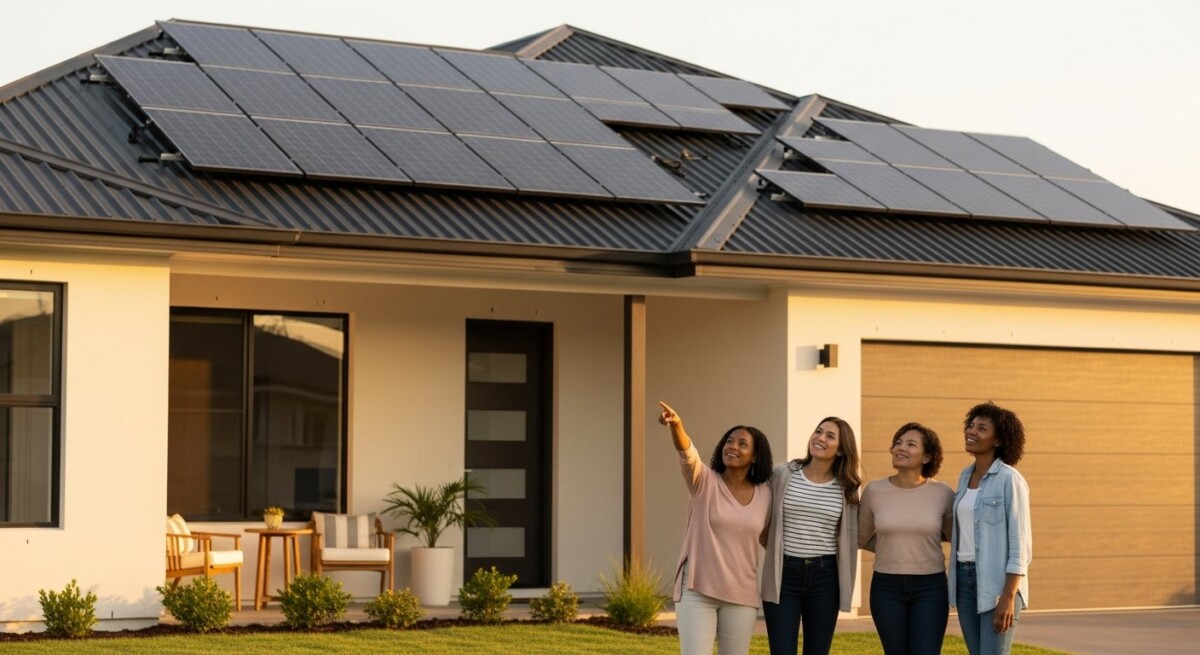
Have you watched your monthly electricity bill climb higher and higher? You’re not alone. Many homeowners are searching for a reliable way to reduce their energy costs and gain more control over their budget. Solar energy technology offers a powerful solution, turning your home’s roof into a source of clean, affordable power and reducing your dependence on the utility grid.
Understanding Solar Energy Technology
At its core, solar energy technology is about capturing the sun’s free and abundant energy. It converts sunlight directly into electricity you can use in your home. This process happens silently and efficiently every day the sun shines.
The most common technology for homes involves photovoltaic (PV) solar panels. These panels contain cells made from materials like silicon that generate an electrical current when exposed to sunlight. This direct current (DC) electricity is then converted by an inverter into the alternating current (AC) that powers your lights, appliances, and devices.
What Is a Solar Energy System?
A complete home solar system includes more than just the panels on your roof. It’s an integrated setup with mounting equipment, the inverter, wiring, and often a monitoring system. Together, these components reliably produce electricity for decades with minimal maintenance.
Why Solar Energy Is Becoming More Popular
Homeowners are turning to solar power for several compelling, practical reasons. First and foremost are the significant long-term financial savings. By generating your own power, you directly offset what you must buy from your utility company, leading to lower monthly bills.
Rising and unpredictable electricity prices also drive this shift. Solar panels provide a stable, predictable energy cost for the next 25 years or more. This protects you from future rate hikes and provides remarkable budget certainty.
Additionally, a growing desire for energy independence and environmental responsibility plays a key role. Solar power allows you to take control of your energy source while reducing your household’s carbon footprint,a true win-win scenario.
If you are considering solar power for your home, comparing installation quotes can help you understand your options. Request a free solar quote or call to learn more.
Common Questions Homeowners Have About Solar
It’s normal to have questions when considering a new investment for your home. Many people wonder about the upfront cost, which can be substantial. However, with available financing, leases, and government incentives, solar has become more accessible than ever.
Another common concern is whether a home is suitable. Professional installers assess your roof’s condition, angle, and sun exposure to determine its solar potential. Even homes with some shade can often benefit from a well-designed system.
- How much do solar panels cost, and what are my financing options?
- Is my roof suitable for solar panels?
- What happens on cloudy days or at night?
- How long will the installation process take?
- Will solar panels increase my property taxes?
- What maintenance is required for a solar system?
How Solar Panel Installation Works
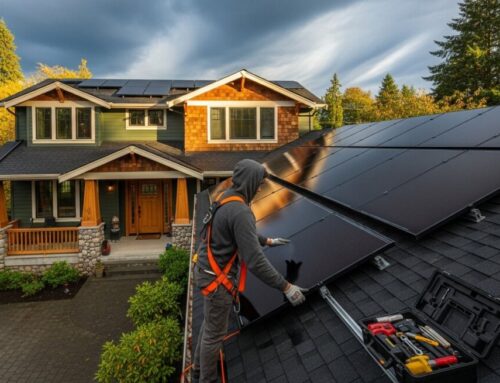
The installation process is managed start-to-finish by your chosen professional company. It’s designed to be straightforward and minimally disruptive to your daily life. A reputable installer handles all the complex details, from permits to final inspection.
The goal is a safe, efficient, and code-compliant system that performs optimally for years. Understanding the steps can make the process feel less daunting and help you know what to expect from your installer.
- Home Energy Assessment & Consultation: An expert evaluates your energy usage, roof, and goals to design a system that fits your needs.
- System Design & Engineering: Custom plans are created, specifying equipment placement and electrical work.
- Permits & Approvals: Your installer secures all necessary local building permits and utility interconnection agreements.
- Physical Installation: The mounting system, panels, inverter, and wiring are installed, typically in 1-3 days.
- Inspections & Activation: After final inspections and utility approval, your system is turned on and starts producing power.
Speaking with experienced installers can help you determine the best solar solution for your home. Compare solar quotes here or call to explore available options.
Signs Your Home May Be Ideal for Solar
Certain home characteristics make solar panel installation particularly advantageous. The most obvious is having a roof with good, unobstructed exposure to the south, east, or west. Ample, unshaded roof space is key for maximizing energy production.
Your current energy consumption and costs are also major indicators. Homes with higher-than-average electricity bills often see the fastest return on investment from solar. The more you currently spend, the more you stand to save.
- You have high, and rising, monthly electricity bills.
- Your roof is in good condition and receives direct sunlight for most of the day.
- You plan to own your home for the next 5-10 years or more.
- You are interested in locking in a stable energy cost and increasing property value.
- Your local area offers strong net metering policies or other solar incentives.
What Affects Solar Installation Costs
The total cost of a solar energy system depends on several specific factors. The system’s size, measured in kilowatts (kW), is the primary driver,a larger system for a bigger home costs more. The quality and efficiency of the panels and inverter you choose also influence the price.
Installation complexity matters too. A simple roof mount on a new roof is less costly than one requiring special racking or electrical upgrades. Critically, available government incentives and rebates, like the federal solar tax credit, can reduce your net cost by thousands of dollars. Our guide on understanding solar energy quotes breaks down these cost factors in detail.
The cost of solar installation varies depending on your home and energy needs. Request personalized solar quotes or call to see what options are available.
Tips for Choosing a Reliable Solar Installer
Selecting the right installer is as important as choosing the right equipment. A trustworthy company ensures a quality installation, proper permitting, and long-term support. They become your partner for the life of the system.
Always verify credentials, experience, and customer feedback. Don’t hesitate to ask for references from past clients in your area. A professional installer will be transparent and happy to provide all this information.
- Choose a licensed, bonded, and insured installer with specific experience in your area.
- Check for certifications from organizations like NABCEP (North American Board of Certified Energy Practitioners).
- Read customer reviews and ask for local references.
- Understand the warranties offered on both equipment and workmanship.
- Always compare detailed quotes from multiple companies.
Long-Term Benefits of Installing Solar Panels
The advantages of solar energy extend far beyond the initial installation. The most immediate benefit is slashing your monthly utility bill. Over the system’s 25+ year lifespan, these savings can amount to tens of thousands of dollars, offering an excellent return on investment.
Solar panels also increase your home’s market value and appeal to future buyers. Studies consistently show that homes with solar sell faster and for more money. You also gain resilience against power outages (especially with a battery) and contribute to a cleaner environment by reducing fossil fuel reliance. To see how this clean energy integrates into daily life, explore how we use solar energy daily.
Frequently Asked Questions
How much can I really save with solar panels?
Savings depend on your local electricity rates, system size, and sun exposure. Many homeowners save 50-100% on their electric bills. Over 20 years, total savings often exceed the system’s initial cost, making it a financially sound investment.
Do solar panels work in cold or cloudy climates?
Yes, solar panels work in cold, cloudy, and even snowy weather. They generate electricity from sunlight, not heat. Cool temperatures can improve panel efficiency. Modern systems are productive across most of the United States.
What is net metering?
Net metering is a utility billing arrangement. When your solar panels produce more electricity than you use, the excess is sent to the grid, and your meter runs backward. You receive credits to use when your system isn’t producing enough, like at night.
How long does a solar panel system last?
High-quality solar panels typically come with a 25-year performance warranty, guaranteeing they will still produce at a high capacity after that time. The system itself can often continue producing electricity well beyond that warranty period.
What maintenance do solar panels require?
Solar systems require very little maintenance. Occasional cleaning from rainfall is usually sufficient. It’s wise to have a professional inspect the system every few years to ensure all connections and components are functioning optimally.
Can I install solar panels myself?
While DIY kits exist, professional installation is strongly recommended. Installers ensure the system is safe, meets complex electrical codes, qualifies for incentives, and is optimally designed for performance and longevity.
Solar energy technology presents a practical, forward-thinking solution for managing home energy costs and investing in your property’s future. By generating your own clean electricity, you gain control, stability, and significant savings. The best way to start your solar journey is with clear, personalized information. We encourage you to take the next step by comparing detailed quotes from qualified, local installers to find the right system for your home and budget.