Solar Energy Solutions for Homeowners: Save on Electricity Bills
Have you opened your electricity bill recently and felt a jolt of surprise? You’re not alone. Rising energy costs are prompting more homeowners than ever to explore renewable energy solutions. For many, the goal is simple: reduce monthly expenses and gain independence from the unpredictable power grid. Solar panel installation has emerged as a leading, practical choice to achieve this.
Understanding Renewable Energy Solutions
Renewable energy solutions are technologies that generate power from sources that naturally replenish. For homeowners, this primarily means harnessing energy from the sun, wind, or geothermal heat. These systems provide an alternative to traditional fossil fuels, which are finite and contribute to pollution.
Solar energy, the most accessible option for residences, works by converting sunlight directly into electricity. This happens through photovoltaic (PV) panels installed on your roof or property. The process is clean, silent, and happens automatically whenever the sun is shining.
More households are considering this technology because it turns a home from just a consumer of energy into a producer. It’s a tangible step toward self-sufficiency and a cleaner environment, right from your own rooftop.
Why Solar Energy Is Becoming More Popular
The shift toward solar power is driven by a powerful combination of financial and environmental factors. First and foremost, electricity prices have been on a steady upward trend for years. Homeowners are seeking a stable, predictable alternative to shield themselves from future rate hikes.
Alongside cost concerns, there’s a growing desire to reduce one’s carbon footprint. Solar panels produce zero emissions during operation, offering a direct way to combat climate change. This personal contribution to a healthier planet is a significant motivator for many families.
Finally, the long-term financial picture has become incredibly compelling. With available government incentives and the promise of decades of reduced bills, solar is now seen as a smart home investment, not just an environmental one.
If you are considering solar power for your home, comparing installation quotes can help you understand your options. Request a free solar quote or call to learn more.
Common Questions Homeowners Have About Solar
It’s normal to have questions before making a significant home upgrade. The upfront cost is often the first hurdle, but it’s crucial to view it through the lens of long-term savings and available financing options. Many homeowners achieve a positive return on investment within several years.
Another common concern is whether a home is suitable. Professional installers assess your roof’s angle, direction, shading, and structural integrity. Even homes with less-than-perfect roofs can often accommodate an efficient system with modern technology.
People also wonder about system performance on cloudy days or at night. Panels still produce energy on overcast days, albeit at a reduced rate. For continuous power, systems are connected to the grid or use battery storage, ensuring you always have electricity.
- How much do solar panels really cost, and what are my financing options?
- Is my roof strong enough and does it get enough sun?
- What happens during a power outage or at night?
- How long will the installation process take?
- Will solar panels increase my property taxes or home insurance?
- What maintenance is required for a solar system?
How Solar Panel Installation Works
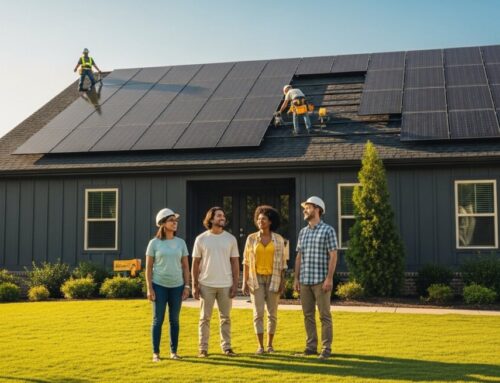
The installation process is designed to be straightforward and managed by professionals from start to finish. It begins with a detailed consultation and energy assessment of your home. This ensures the system is tailored to your specific electricity usage and property characteristics.
Once you approve a design, your installer handles all the necessary permits and paperwork with your local authorities and utility company. This step is critical for compliance and for securing connection agreements and incentives.
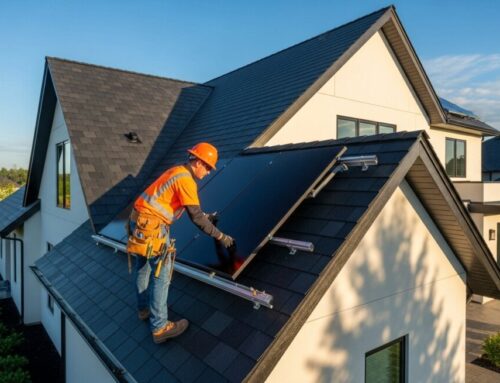
The physical installation is typically completed in just a few days. After a final inspection by the local building department and the utility, your system is activated, and you can start generating your own clean power immediately.
- Home Energy Assessment & Consultation
- Custom System Design & Proposal
- Permitting & Utility Approvals
- Physical Panel & Inverter Installation
- Final Inspections & System Activation
Speaking with experienced installers can help you determine the best solar solution for your home. Compare solar quotes here or call to explore available options.
Signs Your Home May Be Ideal for Solar
Certain home characteristics make solar panel installation particularly advantageous. The most obvious is having a roof with strong, unobstructed exposure to the south, east, or west. Ample, unshaded space is key to maximizing energy production.
If you consistently have high monthly electricity bills, solar can offer substantial relief. The more you currently pay for power, the greater your potential savings with a solar system. This makes the investment pay off more quickly.
Your future plans also matter. If you intend to stay in your home for the next 5-10 years or more, you’ll have ample time to enjoy the financial benefits and see a full return on your investment.
- Your roof receives direct sunlight for most of the day.
- You pay high monthly electricity bills.
- You have a suitable, unshaded roof area (or ground space).
- You plan to own your home for many years.
- Your roof is in good condition or will soon need replacement.
- You live in an area with good net metering policies from the utility.
What Affects Solar Installation Costs
The total cost of a solar energy system depends on several key factors. The system’s size, measured in kilowatts (kW), is the primary driver,a larger system to offset more usage will cost more upfront but yield greater savings. The quality and efficiency of the panels and inverters you choose also influence the price.
Installation complexity plays a role too. A simple, single-plane roof is easier to work on than a multi-angled roof with skylights. Critically, local and federal incentives dramatically reduce the net cost. The federal solar tax credit, for example, allows you to deduct a significant percentage of the system cost from your federal taxes. For a broader look at large-scale systems, you can explore our guide on renewable energy from solar power plants.
The cost of solar installation varies depending on your home and energy needs. Request personalized solar quotes or call to see what options are available.
Tips for Choosing a Reliable Solar Installer
Selecting the right installer is as important as choosing the right equipment. A reputable company ensures a smooth process, proper installation, and long-term system performance. Start by verifying their licenses, insurance, and certifications, such as the North American Board of Certified Energy Practitioners (NABCEP).
Experience matters. Ask how long they’ve been in business and request references or read online reviews from past customers in your area. A trustworthy installer will provide a detailed, written proposal and explain every aspect clearly without high-pressure sales tactics.
Most importantly, get multiple quotes. Comparing proposals from different companies is the single best way to ensure you get a fair price, a system sized correctly for your needs, and confidence in your choice.
- Check for proper licensing, insurance, and certifications.
- Review their experience and read customer testimonials.
- Ask about the warranties offered on both equipment and workmanship.
- Ensure they handle all permitting and interconnection paperwork.
- Get detailed, written proposals from at least three different installers.
Long-Term Benefits of Installing Solar Panels
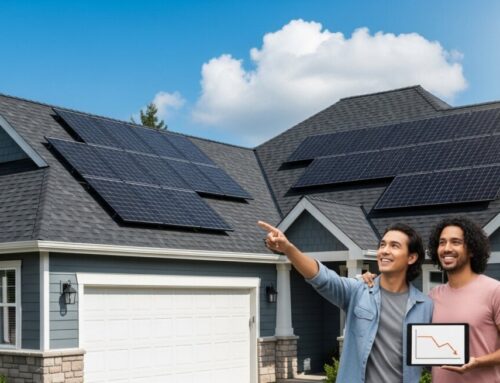
The most immediate and ongoing benefit is a drastic reduction in your electricity bills. In many cases, homeowners can cover 70-100% of their annual energy use, locking in a low, predictable cost for power for the 25+ year life of the system. This protection from rising utility rates is a powerful form of financial security.
Solar panels are also a proven home improvement that increases property value. Studies consistently show that homes with solar sell for more than comparable homes without. You also gain a degree of energy independence, making you less vulnerable to grid outages and price spikes.
Beyond the personal financial gains, your choice contributes to a cleaner environment by reducing reliance on fossil fuels. It’s a long-term investment that pays dividends for your wallet, your home’s value, and the planet. For those interested in cutting-edge combinations of technologies, the concept of hydro solar panels represents an exciting future for renewable energy integration.
How much can I really save with solar panels?
Savings depend on your local electricity rates, system size, and sunlight. Most homeowners save tens of thousands of dollars over the system’s lifetime. The key is that your cost for solar-generated power is fixed once the system is installed, while utility rates will likely continue to rise.
What is net metering and how does it work?
Net metering is a billing arrangement with your utility company. When your solar panels produce more electricity than you use, the excess is sent to the grid, and your meter runs backward, giving you credits. At night or on cloudy days, you draw power from the grid and use those credits, significantly lowering your net cost.
Do solar panels work in cold or cloudy climates?
Yes, solar panels generate electricity based on light, not heat. They are actually more efficient in cooler temperatures. While production is lower on cloudy days, modern panels are effective at capturing diffuse sunlight, making solar viable in many regions not known for constant sun.
How long do solar panels last?
Most high-quality solar panels come with a performance warranty guaranteeing they will still produce at least 80-85% of their original output after 25 years. The panels themselves can continue to produce electricity well beyond that timeframe, making them a very durable, long-term investment.
What maintenance do solar panels require?
Solar systems require very little maintenance. Occasional rinsing with a garden hose to remove dust, pollen, or bird droppings is usually sufficient. It’s also wise to have a professional check the system every few years to ensure all electrical connections and mounting hardware are secure.
Can I install solar panels myself?
While DIY kits exist, professional installation is strongly recommended. Installers ensure the system is safely integrated with your home’s electrical system and the grid, handle complex permitting, and provide crucial warranties. A mistake in a DIY installation can be dangerous and costly to fix.
Exploring solar energy for your home is a smart step toward controlling costs and investing in a sustainable future. The journey begins with gathering information and understanding your specific options. By taking the time to compare detailed quotes from qualified local installers, you can make a confident, informed decision that will benefit your home and family for decades to come.