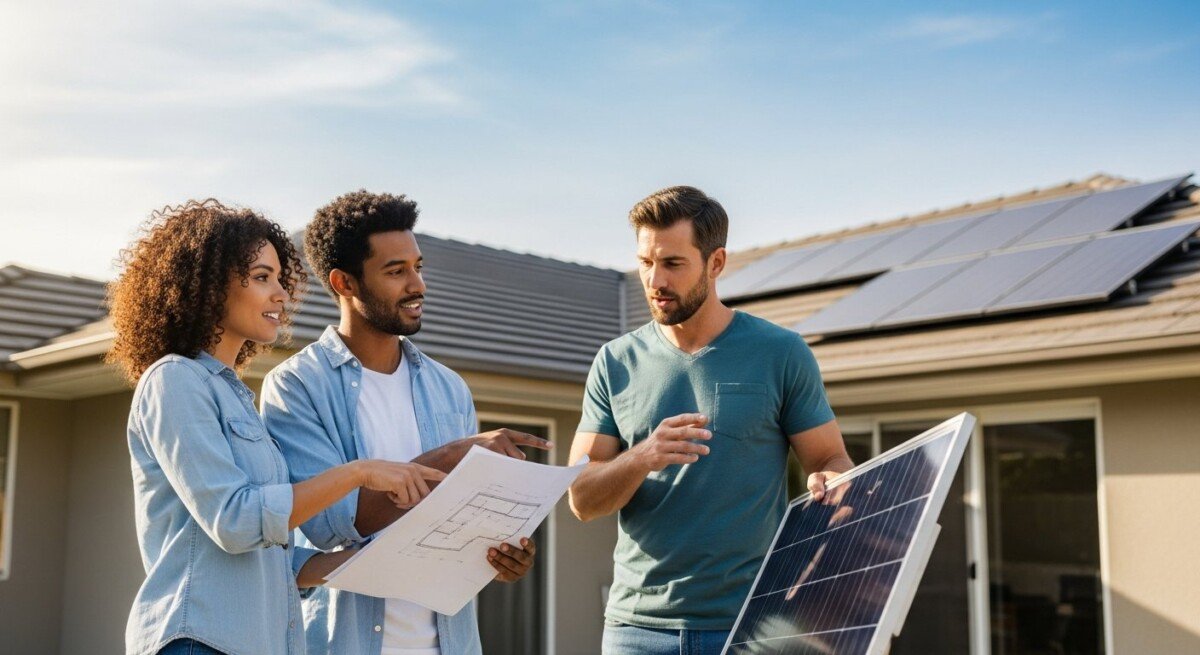
Solar Energy Risks Explained: A Homeowner’s Practical Guide
A practical guide explaining common solar energy risks for homeowners, focusing on how to navigate them for long-term savings and energy independence.

By Owen Phillips
Learn more about Solar Panel Installation and Repair for guides, costs, and what to expect.
Compare Solar Panel Installation and Repair Pros Near You

Enter your ZIP code to compare top-rated local professionals and request free quotes.
If you’ve watched your electricity bill climb steadily, you’re not alone. Many homeowners are searching for ways to reduce their energy costs and gain independence from the unpredictable grid. This search often leads to exploring solar power, but it also brings up important questions about potential pitfalls. Understanding common solar energy risks explained in clear terms is the first step toward making a confident, informed decision for your home.
Understanding Solar Energy Risks Explained
When we talk about solar energy risks, we’re not discussing danger, but rather the practical challenges and considerations that come with a major home investment. It’s about being a well-informed consumer. This means looking at factors like system performance, long-term costs, and choosing the right equipment and installer for your specific home.
By understanding these aspects upfront, you can effectively avoid them. A reputable solar installer will guide you through each one, ensuring your system is designed for reliability and maximum savings. The goal is to turn perceived risks into managed, predictable outcomes for your home energy plan.
Why Solar Energy Is Becoming More Popular
Homeowners are turning to solar power for several powerful reasons. First and foremost is financial security. Locking in a lower, predictable energy cost protects you from rising utility rates for decades.
There’s also a strong desire for energy independence and reducing environmental impact. Generating your own clean power means less reliance on the traditional grid and a smaller carbon footprint. Combined with available government incentives, which can significantly lower the upfront cost, solar presents a compelling value proposition for the long-term homeowner.
If you are considering solar power for your home, comparing installation quotes can help you understand your options. Request a free solar quote or call to learn more.
Common Questions Homeowners Have About Solar
It’s normal to have questions before investing in solar panels. Most concerns revolve around cost, reliability, and whether your home is a good fit. Addressing these questions directly is key to feeling confident in your decision.
Professional installers expect these questions and have clear answers. They can provide detailed forecasts for your savings, explain warranty coverage, and assess your home’s solar potential accurately. This transparency helps mitigate any perceived risks from the start.
- What is the total cost, and what financing options are available?
- Will solar panels work on my roof type and in my climate?
- What happens if my panels don’t produce as much energy as promised?
- How does maintenance and repair work with a solar system?
- What if I sell my house before the system is paid off?
- How do net metering and credits from my utility company work?
How Solar Panel Installation Works
The installation process is methodical and handled by professionals from start to finish. It begins with a detailed consultation and assessment of your home’s energy usage and physical characteristics. This careful planning phase is crucial for designing a system that meets your needs and avoids future issues.
Your installer manages all the complex steps, including permits, paperwork, and grid interconnection approvals. Your role is primarily to review proposals and ask questions. The physical installation is typically quick, causing minimal disruption to your daily life.
- Home Energy Assessment & Consultation: Reviewing your bills, evaluating your roof, and discussing goals.
- Custom System Design & Proposal: Creating a tailored plan that outlines costs, savings, and equipment.
- Permits & Approvals: Your installer secures all necessary local permits and utility agreements.
- Panel Installation & Electrical Work: Mounting equipment, installing inverters, and connecting the system.
- Final Inspection & Activation: The city and utility give final approval to “flip the switch.”
Speaking with experienced installers can help you determine the best solar solution for your home. Compare solar quotes here or call to explore available options.
Signs Your Home May Be Ideal for Solar
While most homes can benefit from solar, some characteristics make the investment particularly advantageous. The most obvious sign is a high monthly electricity bill, as solar savings are greatest when offsetting expensive grid power.
Your roof’s condition, angle, and exposure to sunlight are also key factors. Southern-facing roofs with minimal shading are ideal, but modern systems can be effective in various conditions. A professional assessment can give you a definitive answer.
- You pay more than $100 monthly on your electricity bill.
- Your roof is in good condition and receives several hours of direct sun.
- You plan to own your home for the next 5-10 years or more.
- Your state or utility offers favorable net metering policies.
- You are interested in locking in energy costs and increasing property value.
- You have tax liability to utilize the federal solar tax credit.
What Affects Solar Installation Costs
The final price of your solar system isn’t a one-size-fits-all number. It’s influenced by your unique energy needs and home layout. The system’s size, measured in kilowatts, is the primary driver, as it determines how many panels are required.
Equipment quality, roof complexity, and local labor rates also play a role. Crucially, available incentives like the federal Investment Tax Credit (ITC) can reduce your net cost by a significant percentage. Understanding how to optimize solar energy production with the right system size is key to maximizing your return on investment.
The cost of solar installation varies depending on your home and energy needs. Request personalized solar quotes or call to see what options are available.
Tips for Choosing a Reliable Solar Installer
Your installer is your most important partner in this process. A trustworthy company will transparently address all potential solar energy risks and provide a clear path to savings. They should have a proven track record in your community.
Always check credentials, licenses, and insurance. Don’t hesitate to ask for references from past customers. The most critical step is to get detailed proposals from multiple qualified installers to compare equipment, warranties, and projected financial outcomes.
- Verify they are licensed, insured, and certified (e.g., by NABCEP).
- Choose an installer with several years of local experience.
- Review the warranties offered on both equipment and workmanship.
- Read customer reviews and ask for references.
- Get everything in writing and compare multiple detailed quotes.
- Ensure they handle the entire process, including permits and interconnection.
Long-Term Benefits of Installing Solar Panels
The long-term advantages of solar extend far beyond the initial installation. The most immediate benefit is dramatically lower and predictable monthly energy costs. Over 25+ years, this can translate to tens of thousands of dollars in savings, effectively paying for the system many times over.
You also gain resilience against rising utility rates and increase your home’s market value. Studies consistently show homes with solar panels sell faster and for more money. Furthermore, you contribute to a cleaner environment by reducing reliance on fossil fuels, a benefit that aligns with the many ways we use solar energy daily to power our lives sustainably.
How long do solar panels last?
Most high-quality solar panels come with a 25-year performance warranty, guaranteeing they will still produce at a high percentage of their original output. The panels themselves can often continue producing electricity well beyond that timeframe. Inverters, which convert the power, typically have a shorter lifespan of 10-15 years but are replaceable.
What happens on cloudy days or at night?
Solar panels still produce energy on cloudy days, though at a reduced rate. At night, production stops. This is where net metering and/or a home battery come in. Net metering allows you to send excess power you produce during sunny hours back to the grid in exchange for credits, which you draw from at night.
Do solar panels require a lot of maintenance?
Solar panel systems require very little maintenance. They have no moving parts. Occasional cleaning from rain is usually sufficient, though in dusty areas you may need to rinse them off. Your main task is to ensure trees don’t grow to shade them and to monitor system output, which many apps now do automatically.
Can I install solar panels myself?
While DIY solar kits exist, professional installation is strongly recommended. A certified installer ensures the system is correctly sized, safely installed, compliant with all electrical codes, and eligible for utility interconnection and incentives. Mistakes in a DIY installation can be costly, dangerous, and may void equipment warranties.
Will solar panels damage my roof?
Properly installed solar panels do not damage your roof; they can actually protect the section they cover from weather and UV exposure. Installers use mounting systems designed to be watertight. It’s crucial your roof is in good condition before installation, and a reputable installer will assess this first.
How do I know if I’m getting a fair price?
The best way to ensure a fair price is to compare multiple detailed quotes. Look at the cost per watt, the equipment brands being used, the warranty terms, and the projected energy production. A quote that seems too good to be true often uses lower-tier equipment or makes unrealistic production promises.
Understanding solar energy risks is less about finding problems and more about knowing the right questions to ask. With careful planning and a qualified installer, you can confidently navigate the process and unlock decades of clean, affordable energy for your home. The most important step you can take today is to gather information from trusted local professionals.
Learn more about Solar Panel Installation and Repair for guides, costs, and what to expect.
Compare Solar Panel Installation and Repair Pros Near You
Enter your ZIP code to compare top-rated local professionals and request free quotes.