Solar Energy Benefits for Homeowners: Savings and Independence
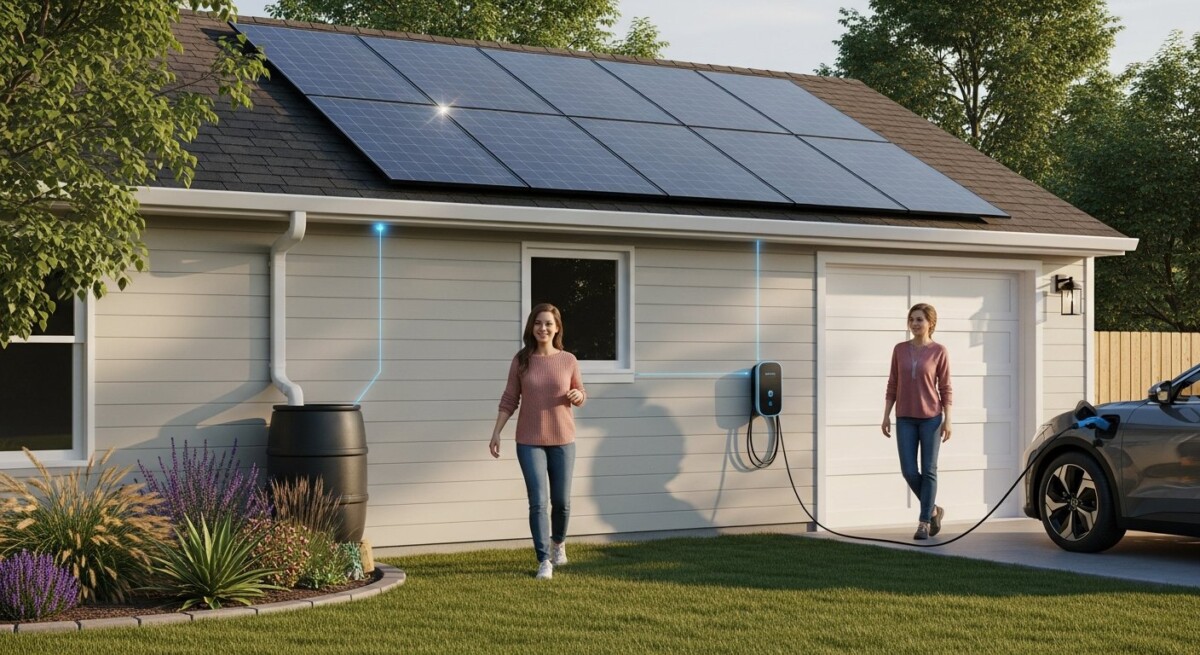
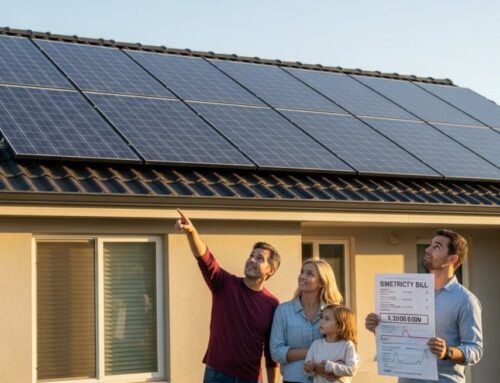
Have you opened your electricity bill recently and felt a jolt of surprise? Many homeowners are experiencing the same thing as energy costs continue to climb. This steady increase is leading more people to explore the practical benefits of solar energy for their homes. The idea of generating your own clean power, slashing your monthly bills, and becoming less dependent on the utility grid is not just a dream,it’s an increasingly accessible reality.
Understanding Solar Energy Benefits for Homes
At its core, home solar power is about converting sunlight into electricity you can use. Solar panels, installed on your roof or property, capture photons from the sun. An inverter then converts that captured energy into usable alternating current (AC) electricity for your home’s appliances and lights.
This technology allows you to produce your own energy right where you consume it. Any excess electricity your system generates can often be sent back to the grid, potentially earning you credits from your utility company. It’s a straightforward way to take control of a major household expense.
How Net Metering Works
Net metering is a key policy that makes solar so financially attractive. When your panels produce more power than your home needs, the excess flows back to the grid, and your utility meter literally runs backward. This banks credits that offset the power you draw from the grid at night or on cloudy days, dramatically reducing your net cost.
Why Solar Energy Is Becoming More Popular
Homeowners are turning to solar for several powerful reasons. First and foremost are the financial benefits. With electricity prices showing no signs of dropping, locking in a lower, predictable energy cost for decades is a compelling form of financial security. Solar panels act as a hedge against future utility rate hikes.
Alongside savings, environmental concerns are a major driver. More people want to reduce their household’s carbon footprint and contribute to a cleaner future. Solar energy produces no air pollution or greenhouse gases during operation, making it a direct action you can take for the planet.
The combination of proven technology, strong financial returns, and environmental stewardship makes solar a smart, mainstream home upgrade. It’s no longer a niche product but a practical investment in your property’s value and your family’s future.
If you are considering solar power for your home, comparing installation quotes can help you understand your options. Request a free solar quote or call to learn more.
Common Questions Homeowners Have About Solar
It’s normal to have questions before making a significant home improvement decision. The upfront cost is often the first concern, but it’s crucial to view it as a long-term investment with substantial returns. Various financing options, loans, and incentives make solar more accessible than many realize.
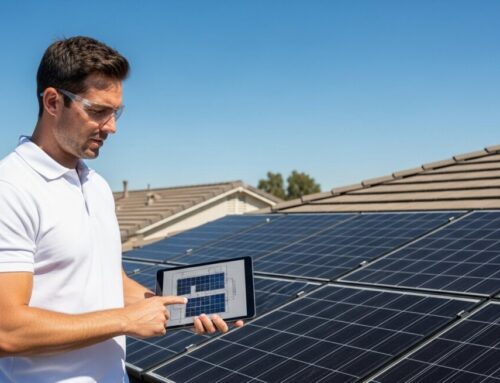
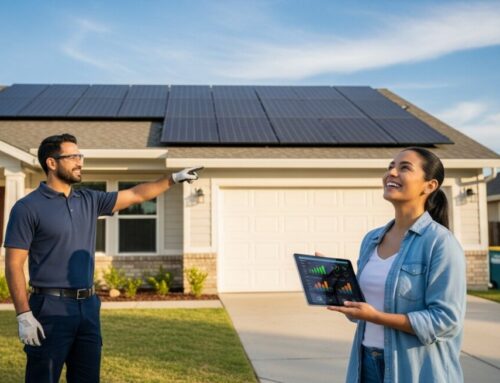
Another common worry is whether a home is suitable. Professional installers assess your roof’s angle, direction, shading, and structural integrity. Even homes with less-than-perfect sun exposure can often benefit from modern, efficient panels. For a deeper dive into the financial specifics, our guide on understanding solar energy quotes breaks down costs and savings.
Homeowners also wonder about maintenance and performance. Today’s solar panels are incredibly durable and require minimal upkeep,usually just an occasional rinse to clear debris. They are designed to withstand harsh weather and reliably produce power for 25 years or more.
- How much do solar panels cost, and what is the payback period?
- Is my roof suitable for solar panels?
- What happens on cloudy days or at night?
- How long do solar panels last, and what maintenance is required?
- Will solar panels increase my property taxes or home insurance?
- What happens if I sell my house?
How Solar Panel Installation Works
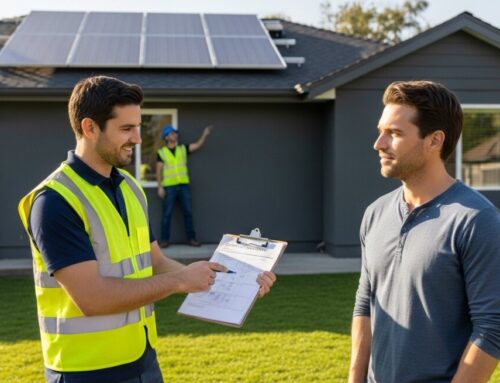
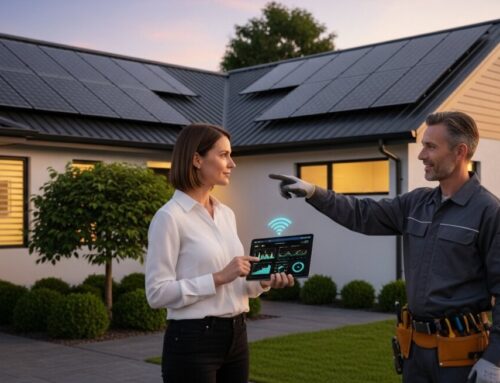
The process of going solar is designed to be smooth and managed by professionals from start to finish. It begins with a detailed consultation and energy assessment to understand your consumption patterns and goals. This ensures your system is correctly sized to meet your needs.
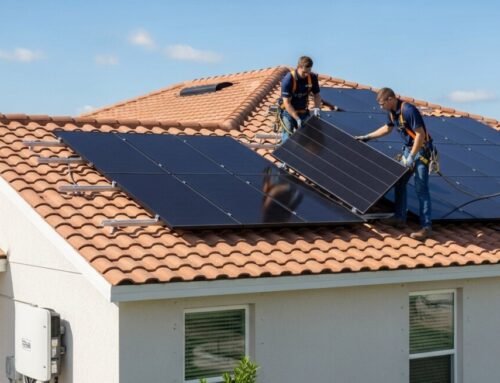
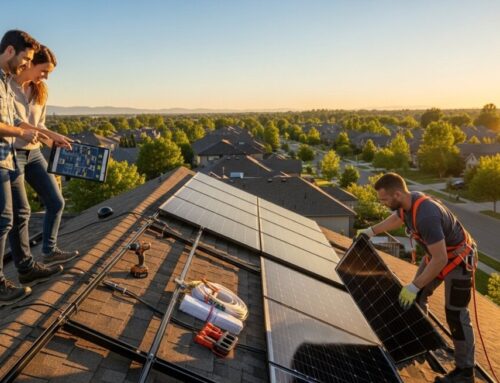
Next, the installer designs a custom system, handles all the necessary permits and interconnection agreements with your utility, and schedules the installation. The physical installation of the panels and inverter is typically completed in just a few days, with minimal disruption to your household.
- Consultation & Energy Assessment: A specialist reviews your energy bills and evaluates your home.
- System Design & Proposal: You receive a customized plan and a detailed quote.
- Permits & Approvals: Your installer secures all local permits and utility interconnection agreements.
- Installation Day: The racking, panels, and inverter are installed on your roof and property.
- Inspections & Activation: After passing final inspections, your system is connected and turned on.
Speaking with experienced installers can help you determine the best solar solution for your home. Compare solar quotes here or call to explore available options.
Signs Your Home May Be Ideal for Solar
While many homes can benefit from solar, some characteristics make the investment particularly advantageous. The most obvious is a roof with good, unobstructed exposure to the south, east, or west. Ample, unshaded roof space is key to maximizing energy production.
If your monthly electricity bills are consistently high, solar can offer significant relief. The more you currently pay for power, the greater your potential savings. Homeowners who plan to stay in their homes for the long term will also reap the full financial rewards as savings accumulate over the years.
- Your roof receives direct sunlight for most of the day, with minimal shading from trees or other structures.
- You have high monthly electricity bills.
- Your roof is in good condition and has sufficient space (typically 200+ square feet).
- You plan to own your home for 5-10 years or more.
- You live in an area with strong sunlight and favorable net metering policies.
- You are interested in increasing your home’s value and appeal.
What Affects Solar Installation Costs
The total cost of a solar energy system depends on several key factors. The size of the system, measured in kilowatts (kW), is the primary driver,a larger system for a bigger home costs more but also generates more savings. The quality and efficiency of the panels and inverter you choose also influence the price.
Installation complexity matters too. A simple, ground-mounted system or a new, easy-to-access roof will generally cost less than a complex roof with multiple angles or skylights. Most importantly, available government incentives, tax credits, and local rebates can dramatically reduce your net cost, making solar far more affordable.
The cost of solar installation varies depending on your home and energy needs. Request personalized solar quotes or call to see what options are available.
Tips for Choosing a Reliable Solar Installer
Selecting the right installer is as important as choosing the right equipment. Look for a company with a strong track record, proper licensing, and positive customer reviews. A trustworthy installer will be transparent about costs, equipment options, and the expected timeline.
Don’t hesitate to ask detailed questions about their experience, warranty offerings, and service plans. The best installers act as guides, helping you navigate incentives and design a system that fits your budget and energy goals. Comparing multiple detailed quotes is the single best way to ensure you get a fair price and a quality design.
- Check for proper licensing, insurance, and certifications (like NABCEP).
- Read customer reviews and ask for local references.
- Compare the warranties offered on both equipment and workmanship.
- Ensure they provide a detailed, written proposal and explain it clearly.
- Always get and compare at least 3 quotes from different installers.
Long-Term Benefits of Installing Solar Panels
The long-term advantages of solar energy extend far beyond the initial installation. The most immediate benefit is dramatically lower and predictable electricity bills for decades. This financial certainty is invaluable, especially during times of economic fluctuation or rising energy costs.
Solar panels also increase your home’s market value and appeal to future buyers. Studies consistently show that homes with solar sell faster and for more money. Furthermore, you gain a profound sense of energy independence, knowing you’re generating your own clean power and contributing to a more resilient grid. To see how this clean power integrates into daily life, explore how we use solar energy daily in modern homes.
Perhaps the most lasting benefit is the positive environmental impact. By choosing solar, you are directly reducing greenhouse gas emissions and air pollution, leaving a cleaner planet for future generations. It’s a legacy of stewardship that pairs perfectly with smart financial planning.
How much can I really save with solar panels?
Savings depend on your local electricity rates, system size, and sunlight. Most homeowners see a reduction of 70-100% on their electric bills. Over 20-30 years, total savings often reach tens of thousands of dollars, far outweighing the initial investment.
Are there tax credits or rebates for going solar?
Yes, the federal solar Investment Tax Credit (ITC) allows you to deduct a significant percentage of your system cost from your federal taxes. Many states and local utilities offer additional rebates or incentives, which a qualified installer can help you identify.
Do solar panels work during a power outage?
Standard grid-tied systems shut off during an outage for safety reasons. However, you can add battery storage to your system to keep critical appliances running. This creates a true home backup power solution.
How long does a solar panel system last?
High-quality solar panels are typically guaranteed to produce at least 80% of their original power after 25-30 years. The inverters may need replacement once during the system’s lifespan, but the panels themselves are very durable.
What is the maintenance required for solar panels?
Solar systems require very little maintenance. Occasional cleaning with water to remove dust, pollen, or bird droppings is usually sufficient. It’s also wise to have a professional check the system every few years to ensure all connections are secure.
Can I install solar panels myself?
While DIY kits exist, professional installation is strongly recommended. Installers ensure the system is safe, meets all electrical and building codes, is properly permitted, and is eligible for warranties and incentives. Mistakes can be costly and dangerous.
Exploring solar energy for your home is a significant step toward financial savings, energy security, and environmental responsibility. The journey begins with gathering information and understanding your specific home’s potential. By taking the time to compare detailed quotes from reputable local installers, you can make a confident, informed decision that will benefit your household for decades to come.