Residential Solar Georgia: Save on Electricity Bills
If you’re a Georgia homeowner, you’ve likely watched your electricity bill climb steadily. With hot summers and rising utility rates, controlling your energy costs can feel impossible. More and more residents are finding a powerful solution: residential solar Georgia. By generating your own clean electricity, you can significantly reduce your monthly bills and become less dependent on the traditional power grid.
Understanding Residential Solar Georgia
Residential solar simply means installing a system of solar panels on your home to generate electricity. These panels capture sunlight and convert it into usable power for your appliances, lights, and HVAC system. It’s a clean, renewable alternative to solely purchasing electricity from your utility company.
In Georgia, abundant sunshine makes this technology particularly effective. A typical system includes panels on your roof, an inverter to convert the energy, and a connection to your home’s electrical panel. Any excess power you generate can often be sent back to the grid, potentially earning you credits on your bill through a process called net metering.
Why Solar Energy Is Becoming More Popular
The primary driver for most homeowners is financial. Electricity prices in Georgia have a history of fluctuation and increase, making a fixed-cost solar system an attractive shield against future rate hikes. Once your system is paid for, the energy it produces is essentially free for decades, leading to substantial long-term savings.
Beyond the wallet, environmental concerns are a major factor. Solar power produces no air pollution or greenhouse gases. By choosing solar, you’re directly reducing your carbon footprint and contributing to cleaner air for your community.
Finally, the desire for energy independence is powerful. Generating your own power provides a sense of security and control. You’re less vulnerable to grid outages and the unpredictable nature of energy markets.
If you are considering solar power for your home, comparing installation quotes can help you understand your options. Request a free solar quote or call to learn more.
Common Questions Homeowners Have About Solar
It’s normal to have questions before making such a significant home investment. Many homeowners worry about the upfront cost, which is why understanding financing, loans, and incentives is so important. Others are concerned about whether their roof is suitable or if they’ll have enough sunny days.
Reliable professional installers will answer all these questions during a consultation. They can assess your specific situation and provide clear, honest answers. To help you start your research, here are some frequent concerns:
- How much does a solar panel system cost in Georgia?
- Will solar panels work on my roof type or if my roof is shaded?
- What happens on cloudy days or at night?
- How long will the installation process take?
- Are there tax credits or rebates available to me?
- How do I maintain the solar panels?
How Solar Panel Installation Works
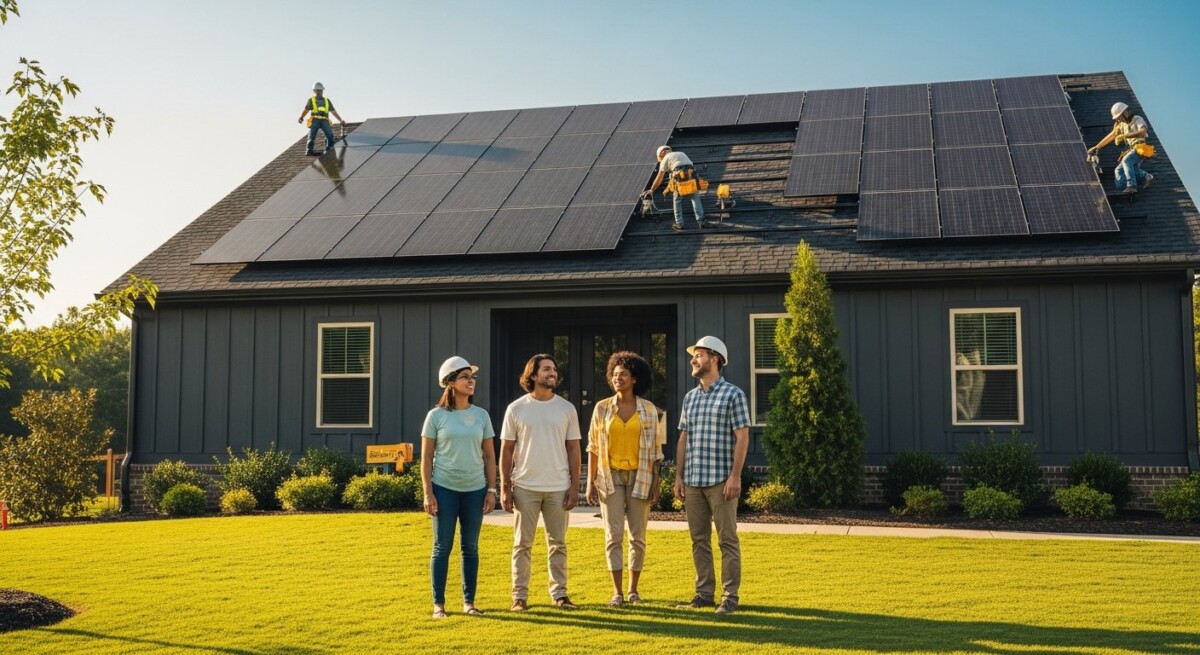
The installation process is managed by professionals from start to finish, making it straightforward for you. It begins with a detailed assessment of your home’s energy use and physical characteristics. This ensures your system is designed to maximize savings and efficiency.
Once you approve the design, the installer handles all the necessary permits and paperwork with your local authorities and utility company. The physical installation is typically quick, followed by inspections and finally, connecting your system to the grid. Here are the main steps:
- Home Energy Assessment & Consultation: An expert evaluates your electricity bills, roof, and goals.
- Custom System Design: A solar plan is created specifically for your home.
- Permits & Approvals: Your installer secures all required permits and utility interconnection agreements.
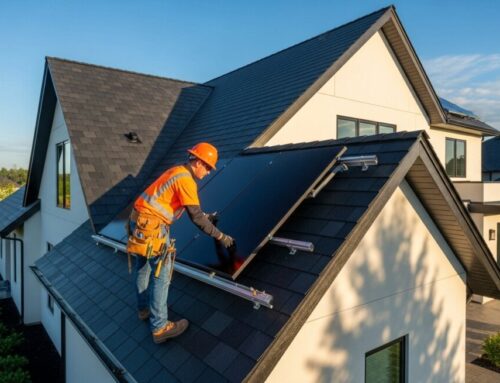
- Panel Installation: The racking, panels, inverter, and wiring are installed on your roof.
- Final Inspections & Activation: The system is inspected and then turned on, starting your energy production.
Speaking with experienced installers can help you determine the best solar solution for your home. Compare solar quotes here or call to explore available options.
Signs Your Home May Be Ideal for Solar
While many homes are good candidates, some characteristics make a property especially well-suited for solar panels. The most obvious is having a roof with strong, unobstructed exposure to the south, east, or west. This allows your panels to capture maximum sunlight throughout the day.
Your current energy consumption is another key indicator. If you have high electricity bills, you have more potential savings to capture, which can improve the return on your investment. Consider these indicators that solar might be a great fit for you:
- A roof in good condition with ample, unshaded space.
- Consistently high monthly electricity bills.
- Plans to stay in your home for the next 5-10 years or more.
- A desire to lock in energy costs and protect against future rate increases.
- Interest in increasing your home’s value and market appeal.
- Personal motivation to use cleaner, renewable energy.
What Affects Solar Installation Costs
The total cost of your solar system depends on several key factors. The size of the system, measured in kilowatts (kW), is the biggest determinant,a larger system for a bigger home costs more. The quality and efficiency of the equipment you choose, such as premium panels or microinverters, also influence the price.
Installation complexity matters too. A simple, single-plane roof is easier to work on than a multi-angled roof with skylights. Crucially, available incentives dramatically reduce net cost. The federal solar Investment Tax Credit (ITC) allows you to deduct a significant percentage of the system cost from your federal taxes, and Georgia offers additional property tax exemptions.
The cost of solar installation varies depending on your home and energy needs. Request personalized solar quotes or call to see what options are available.
Tips for Choosing a Reliable Solar Installer
Selecting the right installer is as important as choosing the right system. A reputable company ensures proper design, quality installation, and long-term support. They will be your guide through incentives, permits, and any questions that arise years later.
Always get multiple quotes to compare pricing, equipment, and warranties. Don’t just choose the lowest bid; consider the company’s reputation, experience, and the comprehensiveness of their proposal. For a deeper dive on this critical step, our guide on evaluating top residential solar panel companies offers detailed advice. Keep these tips in mind during your search:
- Check for proper licensing, insurance, and certifications (like NABCEP).
- Read customer reviews and ask for local references.
- Compare warranty coverage for both equipment and workmanship.
- Ensure they handle the entire process: permits, installation, and interconnection.
- Ask about their experience with installations in your specific area of Georgia.
Long-Term Benefits of Installing Solar Panels
The long-term advantages of going solar extend far beyond the first year of lower bills. Over the 25+ year lifespan of a system, the cumulative savings on electricity can be tens of thousands of dollars. You effectively lock in a low, predictable rate for your power, insulating your budget from utility rate inflation.
Solar panels are also a proven home improvement that increases property value. Studies show buyers are willing to pay more for homes with existing solar systems. Furthermore, you gain greater energy independence and the satisfaction of powering your life with a clean, silent, and renewable resource.
How much can I really save with solar panels in Georgia?
Savings depend on your electricity usage, system size, and financing. Many homeowners offset 70-100% of their bill, leading to savings of $20,000 to $40,000 or more over the system’s life. The federal tax credit and Georgia’s tax exemptions improve your return on investment significantly.
Do solar panels work during a power outage?
Standard grid-tied systems automatically shut off during an outage for safety. To have power during an outage, you need a system equipped with a solar battery backup. This stores excess energy for use when the grid is down, providing essential power to your home.
What is the federal solar tax credit?
The Investment Tax Credit (ITC) is a federal incentive that allows you to deduct a percentage of your solar system cost from your federal income taxes. It significantly reduces the net price of going solar. Always consult a tax professional to understand how it applies to your specific situation.
How long does a solar panel system last?
Solar panels are extremely durable and typically come with a 25-year performance warranty. They often continue producing electricity well beyond that. Inverters may need replacement once during the system’s lifespan, and other components are built for long-term reliability.
Will solar panels damage my roof?
A professional installation will not damage your roof. In fact, mounting systems are designed to protect your roof’s integrity. Installers will first ensure your roof is in good condition and use waterproofing techniques. The panels can even protect the covered portions of your roof from weather and UV degradation.
What financing options are available?
Options include solar loans (which allow you to own the system with monthly payments often lower than your old electric bill), cash purchase, and sometimes lease or Power Purchase Agreements (PPAs). Our resource on top solar companies can help you find installers who offer clear financing plans.
Exploring residential solar in Georgia is a smart step toward taking control of your energy costs and future. The combination of strong sunshine, available incentives, and proven technology makes it a practical investment for many homeowners. By gathering information and comparing detailed quotes from trusted local installers, you can make a confident decision that powers your home for decades to come.