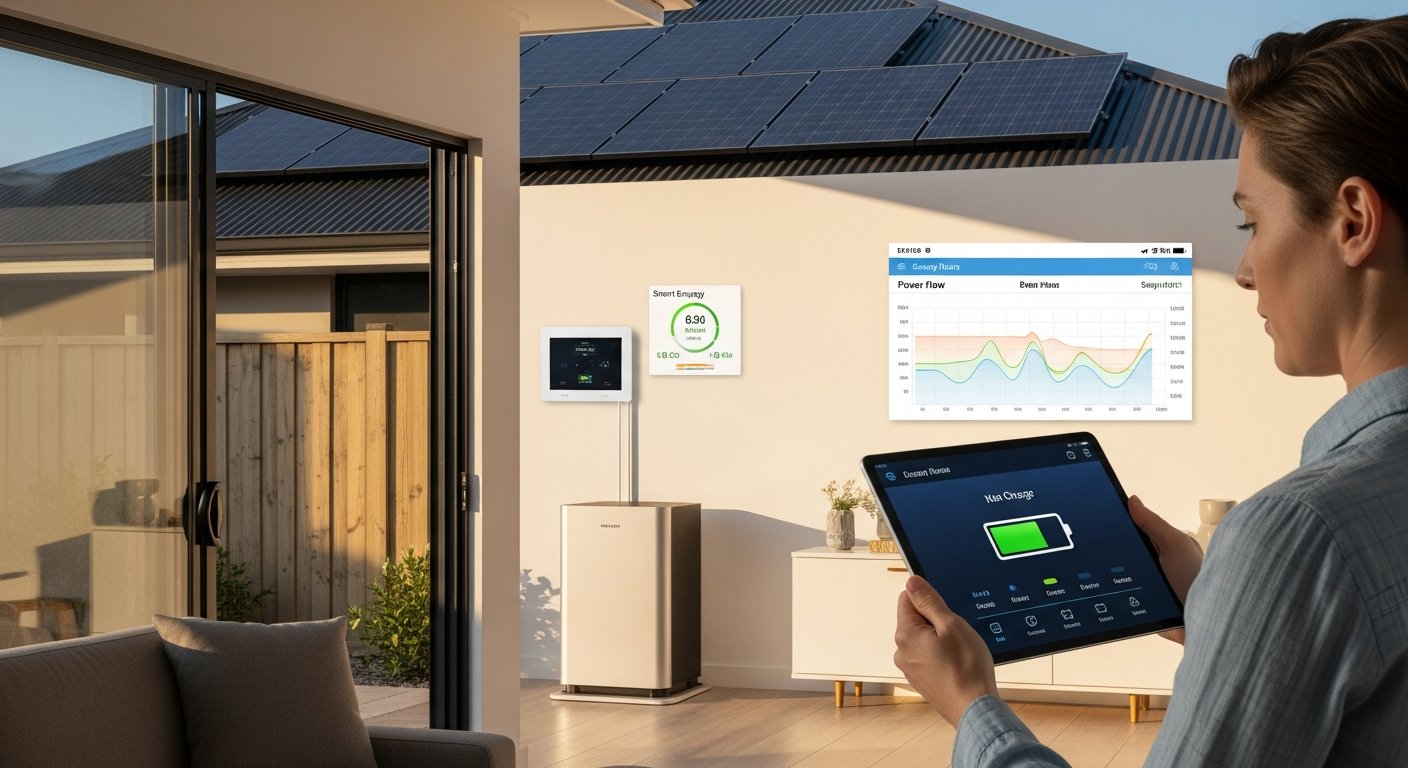
Intelligent Solar Management: Boost Savings with AI
Intelligent solar management uses AI to optimize your solar energy usage, cutting electricity bills by up to 30% while extending system life.

By Owen Phillips
Learn more about Solar Panel Installation and Repair for guides, costs, and what to expect.
Compare Solar Panel Installation and Repair Pros Near You

Enter your ZIP code to compare top-rated local professionals and request free quotes.
Your rooftop solar panels are already working hard, but are they working smart? Most homeowners assume that installing panels is the end of the story. In reality, without a system to monitor, predict, and adjust energy flows, you could be leaving significant savings on the table. Intelligent solar management changes that by applying artificial intelligence and real-time data to every kilowatt-hour your system produces. This approach turns a static array of panels into a dynamic, self-optimizing power plant for your home. Whether you want to lower monthly bills, increase energy independence, or extend the life of your equipment, intelligent solar management delivers measurable results.
What Is Intelligent Solar Management?
Intelligent solar management refers to the integration of smart hardware, cloud-based software, and machine learning algorithms to control and optimize a solar energy system. Instead of simply generating power when the sun shines, an intelligent system actively decides how to use, store, or sell that power based on current conditions, consumption patterns, and utility rates. The core idea is to move from passive generation to active energy orchestration.
For example, when a cloud passes overhead, a managed system can momentarily draw stored battery power instead of pulling from the grid. When electricity prices spike in the late afternoon, the system can export surplus power to the utility at the highest rate. These micro-decisions happen automatically, often faster than a human could react. The result is a solar setup that maximizes financial return and minimizes waste.
How AI Optimizes Your Solar Energy System
Artificial intelligence is the engine behind intelligent solar management. AI models ingest data from multiple sources: weather forecasts, historical solar production, real-time household consumption, and time-of-use utility tariffs. With this information, the system can predict tomorrow's solar output and pre-cool or pre-heat your home to shift load to cheaper solar hours. It can also learn your family's routines. If you typically run the dishwasher at 8 p.m., the AI might schedule a battery discharge to cover that load with stored solar energy rather than grid electricity.
One of the most powerful applications is dynamic load shifting. Many utilities charge higher rates during peak demand (often 4 p.m. to 9 p.m.). An intelligent solar manager automatically reroutes surplus daytime solar to your battery and then powers your home from the battery during peak hours. This avoids expensive grid electricity and can even earn credits through net metering programs. In fact, pairing AI with a storage battery can boost self-consumption of solar energy from 30% to over 80% in typical homes.
To understand how these technologies work together, explore our detailed guide on intelligent solar power systems that save more on energy bills. That article walks through the hardware and software stack powering modern solar optimization.
Key Components of an Intelligent Solar Setup
Building an intelligent solar management system requires more than just panels and a standard inverter. Here are the essential pieces:
- Smart Inverters: Unlike traditional inverters, smart inverters can communicate with the grid, adjust voltage, and respond to signals from the management platform. They act as the brain of the system.
- Energy Storage: A battery bank is critical for storing excess solar energy for later use. Modern lithium-ion batteries with built-in monitoring connect directly to the AI platform.
- Home Energy Monitor: A whole-home monitor tracks real-time consumption room by room or appliance by appliance. This granular data allows the AI to make precise control decisions.
- Cloud Management Platform: The software layer that runs the algorithms, provides a dashboard, and sends commands to hardware. Most platforms offer mobile apps for checking performance from anywhere.
- Smart Home Integration: Connecting thermostats, water heaters, EV chargers, and other large loads allows the system to shift their operation to optimal solar periods.
Each component works together seamlessly. The home energy monitor detects a spike in consumption, the cloud platform calculates the cheapest source of power, and the smart inverter and battery respond in seconds. This orchestration is invisible to you, but the savings show up on your monthly statement.
Choosing the Right Inverter and Battery
Not all smart inverters and batteries are created equal. When selecting equipment for intelligent solar management, look for products that support open communication protocols like CAN bus or Modbus. Proprietary ecosystems can lock you into a single vendor and limit future upgrades. Also ensure the battery has sufficient capacity to cover your peak evening usage. A typical recommendation is 10 to 20 kilowatt-hours of storage for an average American home.
For a deeper look at how these components integrate into a home savings strategy, see our article on intelligent solar energy management for home savings. It provides real-world case studies and payback calculations.
Real-World Benefits for Homeowners
Intelligent solar management delivers benefits that go beyond simple bill reduction. Homeowners who adopt this technology report three major wins:
- Lower Electricity Costs: By maximizing self-consumption, shifting loads, and exporting at peak rates, many users cut their grid dependence by 60% to 90%. In states with time-of-use rates, this can translate to hundreds of dollars in annual savings.
- Extended Equipment Lifespan: AI-powered charging and discharging cycles reduce stress on batteries. Smart inverters also protect against voltage fluctuations, prolonging the life of the entire system.
- Energy Independence: With intelligent management, homes can operate for days on solar-plus-storage during grid outages. The system prioritizes critical loads like refrigeration and lighting automatically.
These benefits compound over time. A typical 10-kilowatt solar system with intelligent management can pay for itself in 5 to 7 years, compared to 8 to 10 years for an unmanaged system. And because the AI continuously adapts to changing tariffs and weather patterns, the savings actually improve as the system learns.
Getting Started with Intelligent Solar Management
Adopting intelligent solar management is not an all-or-nothing decision. You can start with a smart inverter and a home energy monitor, then add a battery and full AI platform later. The key first step is an energy survey that measures your current consumption, roof orientation, shading, and utility rate structure. This data will guide system sizing and component selection.
Professional installers can help you design a system that meets your specific needs. Look for companies that offer ongoing monitoring and software updates, as the AI platform will improve over time. Many providers also offer financing options that let you add a battery with little to no upfront cost.
At SolarEnergy.ai, we connect homeowners with vetted installers who specialize in intelligent solar management. In addition to system design and installation, we offer professional energy surveys, emergency lighting solutions, and electrical security services. Our goal is to help you achieve maximum savings and peace of mind. To learn more about how we can tailor an intelligent solar solution for your home, explore SolarEnergy.ai's full suite of services.
Intelligent solar management is no longer a futuristic concept. It is a practical, proven way to make your solar investment work harder and smarter. With AI handling the complex decisions, you can enjoy lower bills, greater reliability, and a greener home without lifting a finger. The sun produces the energy. Intelligent management makes sure you use it wisely.