Intelligent Solar Energy Management for Home Savings
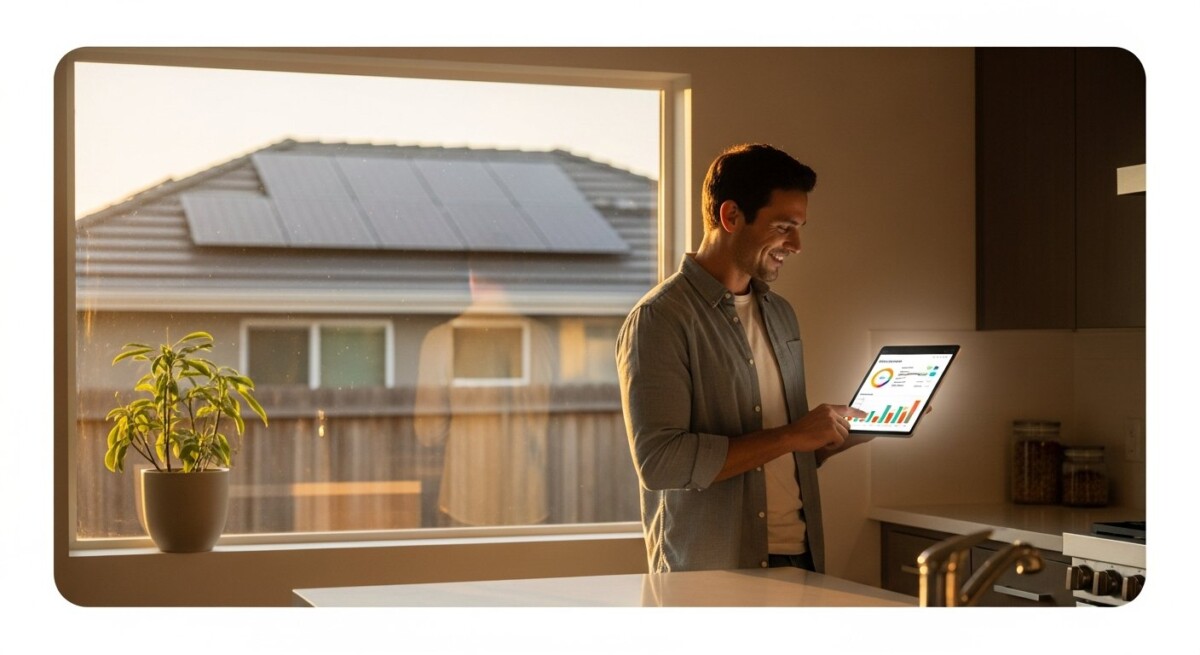
Have you opened your electricity bill recently and felt a sense of dread? You’re not alone. With energy costs consistently rising, more homeowners are searching for a reliable way to take control. The answer for many is intelligent solar energy management, a smart approach that can significantly reduce your monthly bills and make you less dependent on the unpredictable power grid.
Understanding Intelligent Solar Energy Management
Intelligent solar energy management is simply using smart technology to get the most out of your solar panel system. It goes beyond just installing panels on your roof. This approach involves monitoring, controlling, and optimizing your energy production and consumption in real-time.
Think of it as having a smart financial advisor for your home’s energy. The system uses software and devices to decide the best time to use solar power, store it in a battery, or even sell it back to the utility company. This ensures every bit of sunshine you capture is used in the most cost-effective way possible.
How Does This Technology Work?
At its core, an intelligent system uses an inverter with smart software and often a home energy monitor. These components work together to track how much power your solar panels produce and how much your home is using at any given moment. For a deeper dive into the technology, our guide on AI solar energy management explains how modern systems learn and adapt to your habits.
Why Solar Energy Is Becoming More Popular
Homeowners are turning to solar power for several powerful reasons. The most immediate motivator is the desire for predictable, lower energy costs. Once your system is installed, a large portion of your electricity comes free from the sun, protecting you from future rate hikes.
Alongside financial savings, there’s a growing commitment to environmental responsibility. Solar power is a clean, renewable resource that reduces your household’s carbon footprint. It’s a practical step toward a more sustainable lifestyle that also offers long-term energy independence.
If you are considering solar power for your home, comparing installation quotes can help you understand your options. Request a free solar quote or call to learn more.
Common Questions Homeowners Have About Solar
It’s normal to have questions before making a significant home investment. Many people wonder about the upfront cost, which can feel substantial. However, with federal tax credits, local rebates, and financing options, solar is more accessible than ever, paying for itself over time through savings.
Other common concerns involve roof suitability and system performance. A reputable installer will conduct a thorough assessment to answer these questions before you commit. They can evaluate your roof’s angle, material, and sun exposure to ensure an efficient installation.
- How much will a solar panel system really cost?
- Is my roof suitable for solar panels?
- What happens on cloudy days or at night?
- How long will the installation process take?
- Will solar panels increase my property value?
- What maintenance is required?
How Solar Panel Installation Works
The installation process is designed to be straightforward and managed by professionals from start to finish. It begins with a detailed consultation where an expert assesses your energy needs and your home’s solar potential. This ensures the system design is perfectly tailored for you.
Your installer then handles all the necessary permits and paperwork, streamlining what can be a complex process. Once approved, the physical installation is typically completed in just a few days, with minimal disruption to your daily life.
- Home Energy Assessment & Consultation: Review your bills and evaluate your roof.
- Custom System Design: Create a plan for panel placement and equipment.
- Permits & Approvals: Secure all required local permits and utility interconnection agreements.
- Panel & Equipment Installation: Mount racks, install panels, and set up the inverter.
- Final Inspection & Activation: Pass local inspection and flip the switch to start generating power.
Speaking with experienced installers can help you determine the best solar solution for your home. Compare solar quotes here or call to explore available options.
Signs Your Home May Be Ideal for Solar
Certain home characteristics make solar panels particularly effective and financially rewarding. The most obvious factor is having a roof that gets plenty of direct sunlight throughout the day, with minimal shading from trees or other structures.
If you have high monthly electricity bills, solar can offer dramatic savings. The more you currently pay for power, the faster your solar investment will pay for itself. Homeowners planning to stay in their house for several years will reap the maximum benefit from their system.
- Your roof is unshaded for most of the day, especially between 9 AM and 3 PM.
- You pay high monthly electricity bills.
- You have a suitable roof with enough space and in good condition.
- You plan to own your home for the next 5-10 years or more.
- Your local utility has net metering or other favorable solar policies.
- You are motivated by energy independence and environmental impact.
What Affects Solar Installation Costs
The final price of your solar system depends on a few key factors. The size of the system, measured in kilowatts (kW), is the primary driver,larger systems for bigger homes cost more but also generate greater savings. The quality and type of equipment, like premium panels or adding a battery for intelligent energy management, also influence the price.
Installation complexity, such as a multi-story home or a steep roof, can affect labor costs. Crucially, available government incentives like the federal solar tax credit can reduce your net cost by 30% or more, making the investment much more attractive.
The cost of solar installation varies depending on your home and energy needs. Request personalized solar quotes or call to see what options are available.
Tips for Choosing a Reliable Solar Installer
Selecting the right installer is as important as choosing the right equipment. A trustworthy company will guide you through the entire process, ensure proper installation, and honor their warranties. Start by looking for installers with strong local experience and a proven track record.
Always check reviews from past customers and verify that the company is properly licensed and insured. A good installer will be transparent about costs, equipment options, and the expected timeline, without using high-pressure sales tactics.
- Choose an installer with several years of experience and local knowledge.
- Review their certifications (like NABCEP) and verify they are licensed and insured.
- Read customer reviews and ask for references.
- Understand the warranties offered on both equipment and workmanship.
- Get detailed, written quotes from at least three different companies.
- Ensure they handle the entire permit and interconnection process.
Long-Term Benefits of Installing Solar Panels
The long-term advantages of solar power extend far beyond the initial installation. The most celebrated benefit is drastically lower electricity bills for decades. With intelligent management, you can maximize these savings, using stored power during peak rate times.
Solar panels also increase your home’s market value and appeal to future buyers. Perhaps most importantly, they provide a sense of energy security and independence, while giving you the satisfaction of significantly reducing your household’s environmental footprint.
How long do solar panels last?
Most high-quality solar panels come with a 25- to 30-year performance warranty, guaranteeing they will still produce a significant amount of power at the end of that period. With minimal maintenance, the system itself can last for decades, providing clean energy long after it has paid for itself.
Do I need a battery with my solar system?
While not strictly necessary, a battery storage system unlocks the full potential of intelligent energy management. It allows you to store excess solar power generated during the day for use at night or during a power outage, greatly increasing your independence from the grid.
What is net metering?
Net metering is a billing arrangement with your utility company. When your solar panels produce more electricity than your home uses, the excess is sent to the grid, and your meter runs backward. You receive credits for this power, which offset electricity you draw from the grid at night or on cloudy days.
What happens during a blackout?
Standard grid-tied solar systems automatically shut off during a blackout for safety reasons. However, if you have a solar-plus-battery storage system, your home can often continue to run on stored solar power, keeping essential lights and appliances on.
Are there tax credits or rebates for solar?
Yes. The federal government offers a Residential Clean Energy Credit, which allows you to deduct 30% of your solar system cost from your federal taxes. Many states, municipalities, and utilities offer additional rebates or incentives, which your installer can help you identify.
Will solar panels damage my roof?
Professional installers take great care to avoid damage. Mounting systems are designed to be secure and weathertight. In fact, panels can actually protect the portion of the roof they cover from sun and weather exposure. A reputable installer will assess your roof’s condition beforehand.
Intelligent solar energy management represents a smart, forward-thinking investment in your home and future. By understanding how it works and the substantial benefits it offers, you can make a confident decision. The best next step is to gather information tailored to your specific situation from qualified professionals.