How Solar Energy Systems Reduce Your Electricity Bills
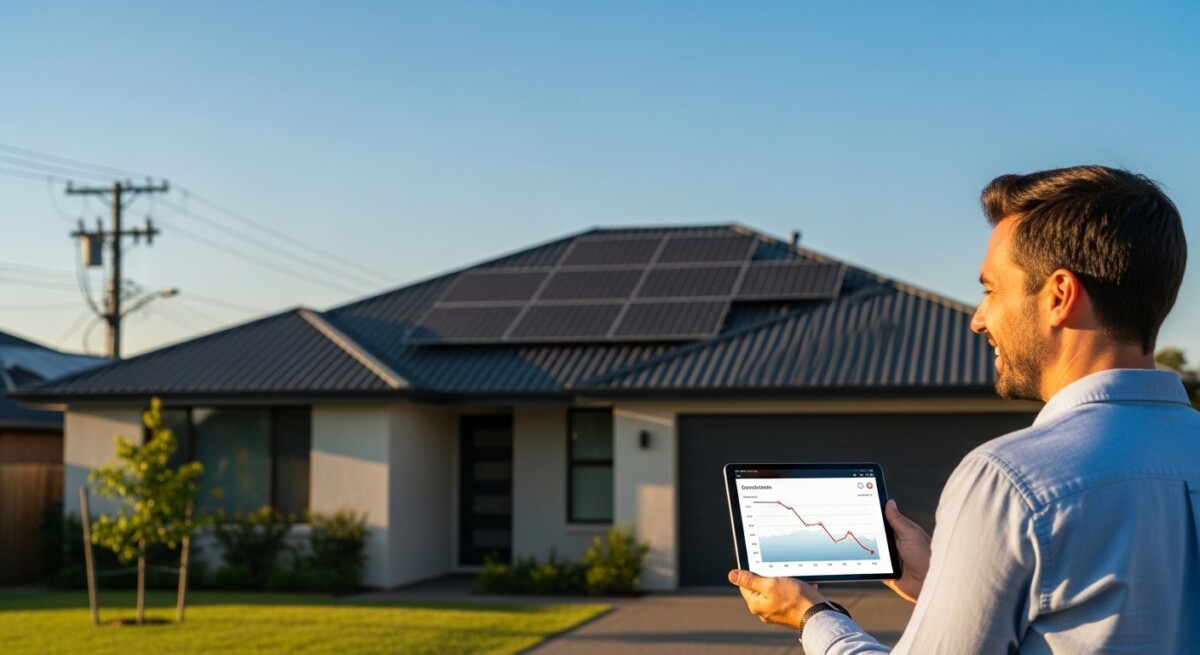
If you’ve opened your electricity bill recently and felt a sense of dread, you’re not alone. Rising energy costs are pushing more homeowners than ever to look for stable, long-term solutions. This search often leads to clean energy systems, particularly solar power, as a way to take control of energy costs and reduce dependence on the unpredictable grid.
Understanding Clean Energy Systems
At its core, a clean energy system generates power without burning fossil fuels, which produce harmful emissions. For homeowners, the most practical and accessible option is a solar photovoltaic (PV) system. These systems capture sunlight and convert it directly into electricity you can use in your home.
This technology isn’t a distant dream; it’s a reliable, proven solution installed on millions of homes. It allows you to become your own power producer, turning your roof into a mini power station. The goal is simple: use the free energy from the sun to offset the electricity you need to buy from your utility company.
Why Solar Energy Is Becoming More Popular
The primary driver for most families is financial. Electricity rates have a history of increasing over time, making monthly bills a growing burden. A solar panel system locks in a significant portion of your energy cost for decades, providing a powerful hedge against future rate hikes and leading to substantial long-term savings.
Beyond the wallet, there’s a strong desire to make a positive environmental choice. By choosing solar, you directly reduce your household’s carbon footprint. This shift towards energy independence, combining financial security with environmental stewardship, is why solar adoption continues to accelerate in neighborhoods across the country.
If you are considering solar power for your home, comparing installation quotes can help you understand your options. Request a free solar quote or call to learn more.
Common Questions Homeowners Have About Solar
It’s normal to have questions before making such a significant home upgrade. The upfront cost is often the first concern, but it’s crucial to view it as a long-term investment with a strong return, especially with available incentives. Many also wonder if their roof is suitable or if they get enough sun.
A qualified solar installer can answer these questions definitively during a consultation. They will assess your roof’s condition, angle, and shading to give you a clear picture of your home’s solar potential. Understanding the facts can turn uncertainty into confidence.
- How much do solar panels cost, and what are the financing options?
- Is my roof strong enough and facing the right direction?
- What happens on cloudy days or at night?
- How long will the system last, and what maintenance is required?
- Will solar panels increase my property value?
- What happens if I sell my house?
How Solar Panel Installation Works
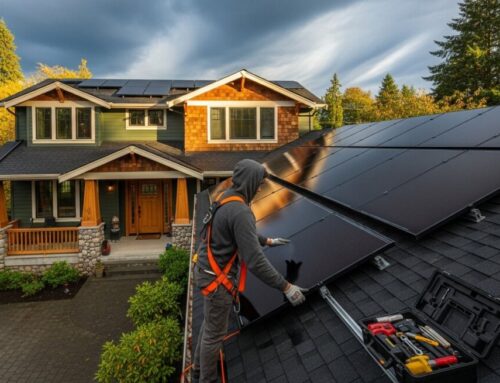
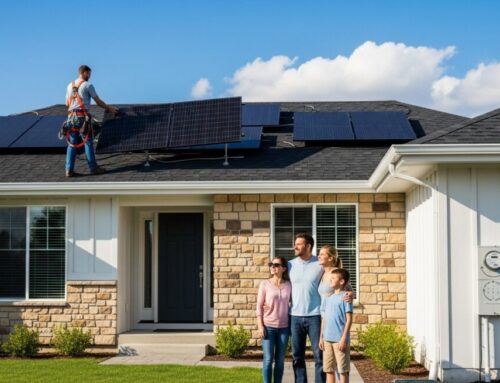
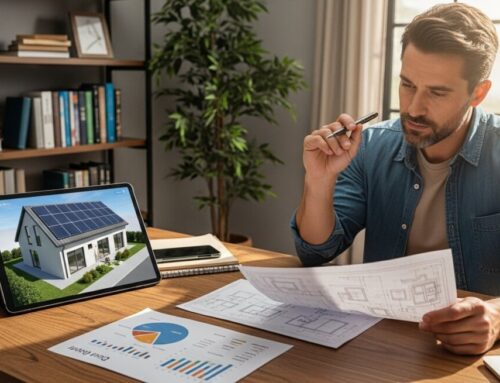
The installation process is handled by professionals from start to finish, making it straightforward for you. It begins with a detailed home energy assessment and site evaluation. The installer will analyze your past electricity usage and your roof’s specifics to design a system tailored to your needs.
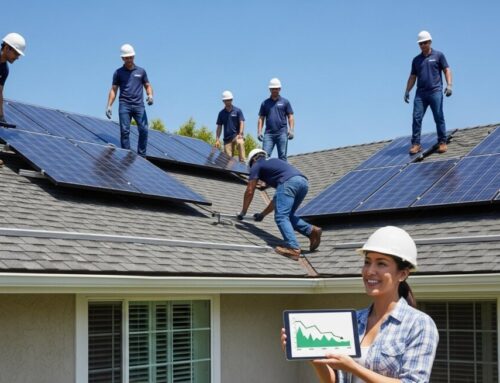
Once you approve the design, the installer manages all the necessary permits and paperwork with your local authorities and utility company. Only after everything is approved does the physical installation begin, which typically takes just a few days. The final step is inspection and activation, flipping the switch on your new power source.
- Consultation & Home Energy Assessment
- Custom System Design & Proposal
- Permitting & Utility Approvals
- Physical Installation of Panels and Inverter
- Final Inspections & System Activation
Speaking with experienced installers can help you determine the best solar solution for your home. Compare solar quotes here or call to explore available options.
Signs Your Home May Be Ideal for Solar
While many homes are excellent candidates, some characteristics make the investment particularly advantageous. The most obvious is a roof with good, unshaded exposure to the south, east, or west. Homes with high monthly electricity bills also see a faster payback period, as the savings are more immediate and substantial.
Your future plans matter, too. If you plan to stay in your home for the next several years, you’ll have ample time to enjoy the free electricity after the system has paid for itself. Solar is a long-term asset that grows in value the longer you own it.
- You have a roof with strong, direct sunlight for most of the day.
- Your monthly electricity bills are consistently high.
- Your roof is in good condition and has ample space.
- You plan to own your home for 7-10 years or more.
- You live in an area with high electricity rates or good solar incentives.
- You are interested in increasing your home’s resale value.
What Affects Solar Installation Costs
The total cost of your system depends mainly on its size, measured in kilowatts (kW). A larger system that covers 100% of your usage will cost more upfront but also deliver greater lifetime savings. The quality and efficiency of the equipment you choose, such as panels and inverters, also influence the price.
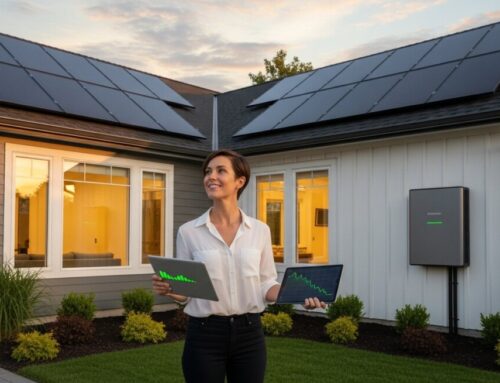
Importantly, the gross price is only part of the story. Federal tax credits, state rebates, and other local incentives can significantly reduce your net cost. Furthermore, pairing your system with a home battery for backup power adds to the initial investment but can be invaluable for energy storage and security. A trustworthy installer will provide a clear breakdown of costs and savings.
The cost of solar installation varies depending on your home and energy needs. Request personalized solar quotes or call to see what options are available.
Tips for Choosing a Reliable Solar Installer
Your installer is your partner in this journey, so choosing a reputable company is critical. Look for established companies with strong track records in your community. They should be properly licensed and insured, and offer robust warranties on both their workmanship and the equipment they install.
Never base your decision on price alone. Read customer reviews and ask for references. Most importantly, get detailed proposals from multiple companies. Comparing these quotes side-by-side is the best way to ensure you get a fair price for a high-quality system designed correctly for your home.
- Verify licenses, insurance, and certifications (like NABCEP).
- Choose an installer with several years of local experience.
- Review the warranties offered on equipment and labor.
- Read independent customer reviews and ask for references.
- Always compare multiple detailed quotes before deciding.
Long-Term Benefits of Installing Solar Panels
The most celebrated benefit is the dramatic reduction in your electricity bills, often eliminating them for most of the year. Over 25+ years, this adds up to tens of thousands of dollars in savings, effectively paying for the system multiple times over. This financial predictability is a form of energy independence.
Your investment also boosts your home’s market value, with studies showing buyers are willing to pay a premium for homes with owned solar systems. Perhaps most satisfying is the knowledge that you are generating clean, renewable energy and making a lasting positive impact on the environment for future generations. For those seeking full independence from the grid, exploring the top battery choices for solar systems is a logical next step.
Frequently Asked Questions
How much can I really save with solar panels?
Savings depend on your local electricity rates, system size, and sun exposure. Most homeowners save between 50-100% on their electricity bills. Over the system’s lifetime, total savings often reach $20,000 to $70,000, making it a sound financial investment.
What is the federal solar tax credit?
The federal Investment Tax Credit (ITC) allows you to deduct a significant percentage of your solar system’s cost from your federal taxes. This incentive directly reduces your net investment and improves your return, making solar more affordable.
Do solar panels work in cold or cloudy climates?
Yes, solar panels generate electricity from sunlight, not heat. They can perform very well in cold, sunny weather. While energy production is lower on cloudy days, modern panels are efficient at capturing diffuse sunlight, making them viable in many climates.
How long do solar panel systems last?
High-quality solar panels are extremely durable and typically come with a 25-year performance warranty. The entire system, including the inverter, is designed for long-term operation, often producing electricity for 30 years or more with minimal maintenance.
What happens to solar power when the grid goes down?
For safety reasons, standard grid-tied systems automatically shut off during a blackout unless paired with a battery storage system. Adding a home battery allows you to store excess solar energy and use it to power essential appliances during an outage.
Can I install solar panels myself?
While DIY kits exist, professional installation is strongly recommended. Installers ensure the system is safe, meets all electrical and building codes, is properly permitted, and is eligible for warranties and incentives. Their expertise avoids costly mistakes.
Exploring solar energy is a smart step toward controlling your home’s energy future. By understanding how clean energy systems work and their substantial benefits, you can make an informed decision. The best way to start is by gathering personalized information; comparing quotes from trusted local installers will give you the clarity and confidence to move forward.