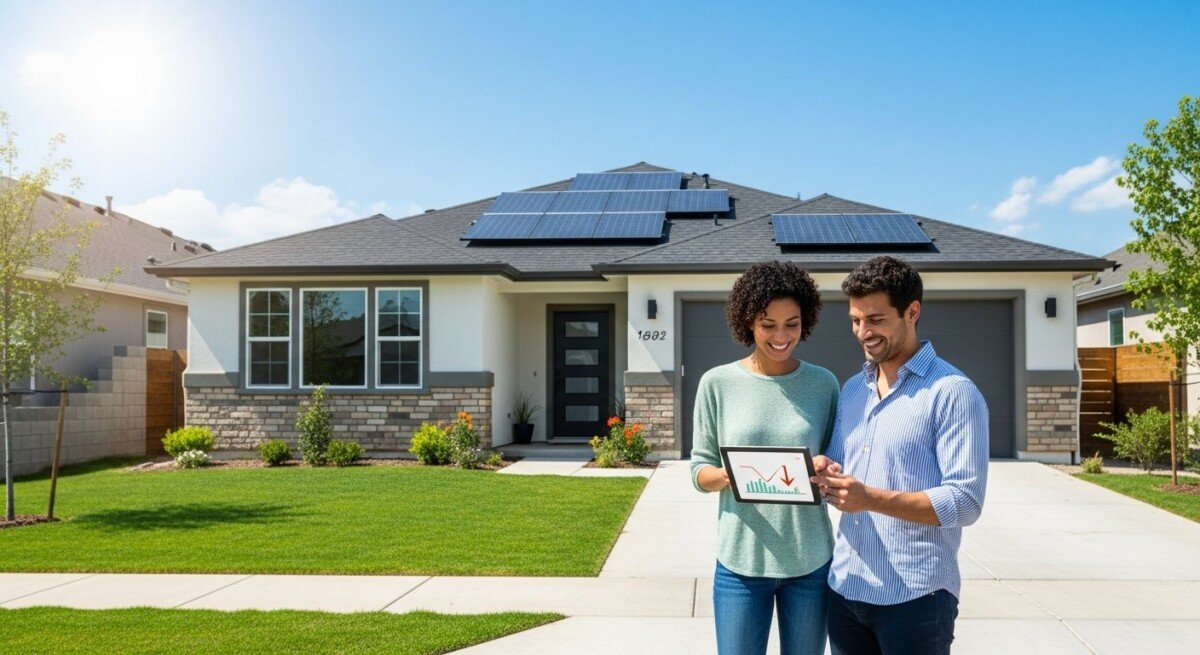
How Solar Energy Reduces Your Electricity Bills
Discover how solar energy can reduce your electricity bills and increase your home’s energy independence. A practical guide for homeowners.

By Owen Phillips
Learn more about Solar Panel Installation and Repair for guides, costs, and what to expect.
Compare Solar Panel Installation and Repair Pros Near You

Enter your ZIP code to compare top-rated local professionals and request free quotes.
Have you opened your electricity bill recently and felt a jolt of surprise? You’re not alone. Many homeowners are seeing their energy costs climb steadily, leading them to search for a reliable, long-term solution. This search often brings them to the powerful potential of solar energy. By harnessing the sun’s power, you can significantly reduce your monthly bills and move toward greater energy independence for your home.
Understanding Solar Energy for Your Home
At its core, solar energy for homeowners is about converting sunlight into electricity you can use. This is done through solar panels installed on your roof. These panels capture photons from sunlight and generate direct current (DC) electricity.
An inverter then converts this DC power into the alternating current (AC) that powers your home’s appliances and lights. Any extra electricity your system produces can often be sent back to the grid, potentially earning you credits from your utility company through a process called net metering.
What Are Solar Panels Made Of?
Most residential solar panels are made from silicon cells, a material that is excellent at converting sunlight. These cells are grouped together, protected by glass and a sturdy frame, to create the panels you see on rooftops. The technology is proven, durable, and designed to last for decades.
Why Solar Energy Is Becoming More Popular
Homeowners are turning to solar power for several compelling reasons. First and foremost are rising electricity prices. Utility rates have a history of increasing, making a fixed-cost solar system an attractive shield against unpredictable future hikes.
There’s also a growing desire to make environmentally friendly choices. Solar power produces clean energy with no greenhouse gas emissions during operation. For many, the combination of long-term financial savings and a reduced carbon footprint makes the decision clear.
If you are considering solar power for your home, comparing installation quotes can help you understand your options. Request a free solar quote or call to learn more.
Common Questions Homeowners Have About Solar
It’s normal to have questions when considering a significant home upgrade like solar. The initial cost is a common concern, but it’s important to view it as a long-term investment with substantial returns. Federal tax credits, state incentives, and various financing options have made solar more accessible than ever.
Another frequent question is about roof suitability. Professional installers will assess your roof’s condition, angle, and sun exposure. Even roofs that aren’t perfectly south-facing can often host an efficient solar array. For a broader look at how solar technology integrates into our energy systems, you can explore more about renewable energy from solar power plants.
- How much will a solar panel system cost for my home?
- Is my roof suitable for solar panels?
- What happens on cloudy days or at night?
- How long will the installation process take?
- Will solar panels increase my property taxes?
- What maintenance do solar panels require?
How Solar Panel Installation Works
The installation process is handled by professionals from start to finish. It begins with a detailed consultation and energy assessment of your home. Installers will review your past electricity bills and evaluate your roof to design a system that meets your needs.
Once you approve the design, the installer manages all the necessary permits and paperwork. The physical installation is typically completed in just a few days, with minimal disruption to your household. The final step is inspection and activation, connecting your system to the grid.
- Home Energy Assessment and Consultation
- Custom System Design and Proposal
- Permitting and Utility Approvals
- Physical Installation of Panels and Inverter
- Final Inspections and System Activation
Speaking with experienced installers can help you determine the best solar solution for your home. Compare solar quotes here or call to explore available options.
Signs Your Home May Be Ideal for Solar
Certain factors can make your home a particularly good candidate for solar energy. The most obvious is strong, unobstructed sunlight on your roof for most of the day. Homes with south-facing roofs often see the highest production, but east and west-facing roofs can also be highly effective.
If you have high monthly electricity bills, solar can provide greater savings. The more you currently pay for electricity, the faster your solar investment typically pays for itself. Planning to stay in your home for the long term allows you to maximize the financial benefits of your system.
- Your roof receives direct sunlight for 4-6+ hours per day.
- You have high or rising monthly electricity costs.
- Your roof is in good condition and has adequate space.
- You plan to own your home for 5-10+ years.
- You live in an area with good net metering policies.
- You are interested in reducing your environmental impact.
What Affects Solar Installation Costs
The total cost of a solar energy system depends on several key factors. The size of the system, measured in kilowatts (kW), is the primary driver. A larger system that covers more of your energy usage will cost more upfront but deliver greater long-term savings.
Equipment quality and brand also influence price, as do the complexity of your roof and local labor rates. Crucially, available government incentives and rebates can dramatically reduce your net cost. The federal solar tax credit, for instance, allows you to deduct a significant percentage of the system cost from your federal taxes.
The cost of solar installation varies depending on your home and energy needs. Request personalized solar quotes or call to see what options are available.
Tips for Choosing a Reliable Solar Installer
Selecting the right installer is as important as choosing the right equipment. A reputable company will guide you through the entire process, ensure proper installation, and honor their warranties. They act as your partner in navigating permits, incentives, and system design.
Always get multiple quotes to compare pricing, equipment, and service offerings. This is the best way to ensure you’re getting a fair deal and a system tailored to your home. Don’t hesitate to ask for references and verify the company’s licensing and insurance.
- Choose an installer with strong local experience and credentials.
- Review the warranties offered on both equipment and workmanship.
- Read customer reviews and ask for references from past clients.
- Get detailed, written quotes from at least three different companies.
- Ensure they handle the entire process, including permits and interconnection.
Long-Term Benefits of Installing Solar Panels
The long-term advantages of solar energy extend well beyond the initial installation. The most immediate benefit is consistently lower electricity bills. Over the 25+ year lifespan of a system, these savings can amount to tens of thousands of dollars, providing an excellent return on investment.
Solar panels can also increase your home’s market value and make it more attractive to buyers. You’ll gain a measure of energy independence, buffering yourself from utility rate increases. Perhaps most importantly, you’ll be contributing to a cleaner environment by reducing reliance on fossil fuels. Innovations continue to emerge, such as the concepts behind hydro solar panels and the future of renewable energy, showcasing the dynamic nature of this field.
How long do solar panels last?
Most quality solar panels come with a performance warranty guaranteeing 80-90% production for 25 years or more. The panels themselves can continue to produce electricity well beyond that timeframe, though at a gradually decreasing efficiency. The inverter may need replacement once during the system’s life.
Do solar panels work in winter?
Yes, solar panels work in winter and can even be more efficient in cold, sunny weather. While shorter days and snow cover can reduce production, panels are rated for all seasons. They are designed to shed snow, and sunlight reflection off snow can sometimes boost production.
What is net metering?
Net metering is a billing arrangement with your utility company. When your solar panels produce more electricity than your home uses, the excess is sent to the grid. Your meter runs backward, giving you credits that offset the cost of power you draw from the grid at night or on cloudy days.
Can I go completely off-grid with solar?
While technically possible, going completely off-grid requires a very large solar array and a substantial battery storage system, which significantly increases cost. Most homeowners choose a grid-tied system with net metering, which is more cost-effective and provides a reliable backup.
How much maintenance do solar panels need?
Solar panels require very little maintenance. Occasional cleaning with water to remove dust, pollen, or bird droppings is usually sufficient. It’s also wise to have a professional inspect the system every few years to ensure all connections and components are functioning optimally.
Are there financing options for solar panels?
Yes, several financing options are available, including solar loans, leases, and Power Purchase Agreements (PPAs). Solar loans allow you to own the system with little or no upfront cost. Leases and PPAs involve a third-party owner, with you paying for the electricity the system produces at a set rate.
Exploring solar energy for your home is a smart step toward controlling your energy costs and investing in a sustainable future. By gathering information and comparing quotes from trusted local installers, you can make a confident decision that aligns with your financial and environmental goals. Start your journey today by requesting a few personalized quotes to see the real potential for your home.
Learn more about Solar Panel Installation and Repair for guides, costs, and what to expect.
Compare Solar Panel Installation and Repair Pros Near You
Enter your ZIP code to compare top-rated local professionals and request free quotes.