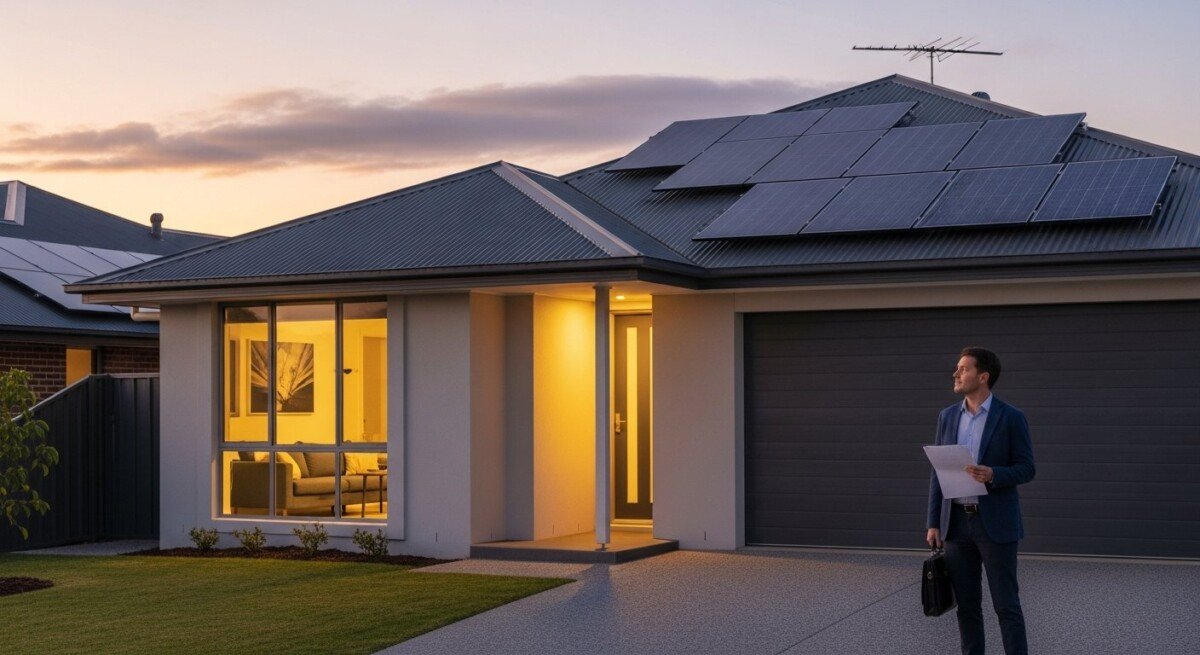
How Commercial Solar Energy Cuts Home Electricity Bills
Learn how commercial solar energy systems can reduce your electricity bills, provide long-term savings, and increase your home’s energy independence.

By Mason Carter
Learn more about Solar Panel Installation and Repair for guides, costs, and what to expect.
Compare Solar Panel Installation and Repair Pros Near You

Enter your ZIP code to compare top-rated local professionals and request free quotes.
Have you opened your electricity bill recently and felt a jolt of surprise? With energy costs consistently rising, more and more homeowners are looking for a reliable way to take control. They are turning to commercial solar energy systems to significantly reduce their monthly bills and become less dependent on the unpredictable power grid.
Understanding Commercial Solar Energy
Commercial solar energy, in the context of your home, refers to the same robust, grid-tied photovoltaic (PV) systems used by businesses. It’s a professional-grade solution designed to meet high energy demands reliably. Essentially, solar panels on your roof convert sunlight into direct current (DC) electricity.
An inverter then transforms that DC power into the alternating current (AC) electricity that powers your home. Any excess energy your system produces is often sent back to the utility grid, potentially earning you credits on your bill through a process called net metering.
What Does “Photovoltaic” Mean?
It’s simply the technical term for converting light (“photo”) into electricity (“voltaic”). Each solar panel contains many silicon-based cells that create an electric field when sunlight hits them, generating a flow of electricity. This reliable technology is the foundation of modern solar power systems for homes and businesses alike.
Why Solar Energy Is Becoming More Popular
The primary driver for most homeowners is financial. Electricity rates have a history of increasing, making a fixed-cost solar system an attractive shield against future hikes. Once installed, the energy from your roof is essentially free, allowing you to predict and manage your energy costs for decades.
Beyond savings, there’s a strong desire for energy independence and environmental stewardship. Generating your own clean power reduces your carbon footprint and provides peace of mind during grid outages if you pair your system with battery storage. It’s a practical step toward a more sustainable lifestyle.
If you are considering solar power for your home, comparing installation quotes can help you understand your options. Request a free solar quote or call to learn more.
Common Questions Homeowners Have About Solar
It’s normal to have questions about such a significant home investment. Many wonder about the upfront cost, which, while substantial, is mitigated by long-term savings and available financial incentives. Others are concerned about their roof’s suitability or what happens on cloudy days.
Professional installers address these concerns every day. They perform detailed assessments to ensure your roof can support a system and design it to maximize production year-round, not just on perfectly sunny days. Understanding how we use solar energy daily can clarify its reliability in various conditions.
- How much does a home solar system cost?
- Is my roof suitable for solar panels?
- Will solar panels work in my climate?
- How long will the installation process take?
- What maintenance is required?
- How do I finance a solar panel system?
How Solar Panel Installation Works
The process is highly structured and managed by your chosen installer from start to finish. It begins with a comprehensive evaluation of your home’s energy usage, roof condition, and sun exposure. This data informs a custom system design tailored to your specific needs and goals.
Your installer then handles all the necessary permits and paperwork before the physical installation begins. The final steps involve inspections and connecting your system to the grid, a process known as “interconnection.” Here is a simplified overview of the main stages:
- Home Energy Assessment and Consultation
- Custom System Design and Proposal
- Permitting and Utility Approvals
- Physical Installation of Panels and Inverter
- Final Inspections and System Activation
Speaking with experienced installers can help you determine the best solar solution for your home. Compare solar quotes here or call to explore available options.
Signs Your Home May Be Ideal for Solar
While many homes are good candidates, certain factors can maximize your solar investment. The most obvious is a roof that gets strong, unobstructed sunlight for most of the day, typically facing south, east, or west. Shading from trees or other structures can impact production.
Your current energy consumption and bills also play a key role. Homes with higher electricity usage often see a faster return on investment because the solar system offsets more expensive grid power. Long-term plans matter, too, as the financial benefits accumulate over time.
- You have a sturdy roof with good sun exposure.
- You receive high monthly electricity bills.
- You plan to stay in your home for 5+ years.
- Your roof is relatively new or in good condition.
- You are motivated by long-term savings and sustainability.
- Your local utility offers favorable net metering policies.
What Affects Solar Installation Costs
The total price of a solar energy system isn’t one-size-fits-all. The largest factor is the system’s size, measured in kilowatts (kW), which is directly tied to how much electricity you need to generate. A larger system for a big home with high usage will cost more than a smaller one.
Equipment quality, roof complexity, and local labor rates also influence the final quote. Crucially, available government incentives, like the federal solar tax credit, and local rebates can substantially reduce your net cost. It’s essential to get detailed quotes that break down all these elements.
The cost of solar installation varies depending on your home and energy needs. Request personalized solar quotes or call to see what options are available.
Tips for Choosing a Reliable Solar Installer
Selecting the right installer is as important as choosing the equipment. Look for established companies with strong track records, proper licensing, and insurance. They should offer robust warranties on both their workmanship and the products they install.
Always check customer reviews and ask for references. A trustworthy installer will provide a clear, detailed proposal without high-pressure sales tactics. Most importantly, they should encourage you to become an informed consumer. Comparing multiple quotes is the best way to ensure you get a fair price and a quality design, a process we detail in our guide on understanding solar energy quotes for homeowners.
- Verify licenses, insurance, and certifications.
- Review years of experience and local project portfolios.
- Read customer testimonials and check ratings with the Better Business Bureau.
- Understand the warranties offered on equipment and labor.
- Get everything in writing and ensure the proposal is clear.
- Compare detailed quotes from at least three different installers.
Long-Term Benefits of Installing Solar Panels
The most immediate and ongoing benefit is the reduction, and sometimes elimination, of your electricity bill. This predictable energy cost protects you from inflation and rate increases for the 25+ year lifespan of your system. The savings can be substantial over time.
Solar panels also increase your property value and make your home more attractive to eco-conscious buyers. You’ll gain greater energy independence and the satisfaction of significantly reducing your household’s carbon emissions. It’s an investment that pays for itself and then continues to pay you.
Frequently Asked Questions
How much can I really save with home solar panels?
Savings depend on your local electricity rates, system size, and sun exposure. Many homeowners save 50% to 100% on their electricity bills. Over 20 years, total savings often reach tens of thousands of dollars, far exceeding the system’s initial cost after incentives.
What happens if my solar panels produce more energy than I use?
With a grid-tied system, excess energy is fed back into the utility grid. Most utilities offer net metering, which provides you with a credit on your bill for that exported power. You can then use these credits to offset electricity you draw from the grid at night or on cloudy days.
Do I need battery storage with my solar system?
Battery storage is optional but adds valuable benefits. It allows you to store excess solar energy for use at night or during a power outage, increasing your energy independence. For most, starting with solar alone is cost-effective, and batteries can be added later.
How long does a residential solar power system last?
High-quality solar panels are typically guaranteed to produce at a high level for 25 to 30 years. The inverter, which does the most work, may need replacement once during the system’s life. With minimal maintenance, your system can provide clean energy for decades.
Are there tax credits or rebates for installing solar?
Yes. The federal government offers a significant Investment Tax Credit (ITC) that allows you to deduct a percentage of your system cost from your federal taxes. Many states, municipalities, and utilities offer additional rebates or incentives, which can dramatically lower your net cost.
Will solar panels damage my roof?
Professional installers do not damage your roof. They perform an inspection first and use mounting systems designed to protect roof integrity. In fact, panels can shield the covered portions of your roof from weather and UV exposure, potentially extending its life.
Exploring commercial solar energy for your home is a smart step toward financial predictability and environmental responsibility. By understanding the process, benefits, and costs, you can make a confident decision. The best next step is to gather information specific to your home by comparing detailed quotes from reputable local installers.
Learn more about Solar Panel Installation and Repair for guides, costs, and what to expect.
Compare Solar Panel Installation and Repair Pros Near You
Enter your ZIP code to compare top-rated local professionals and request free quotes.