How AI Solar Energy Adoption Trends Can Lower Your Bills
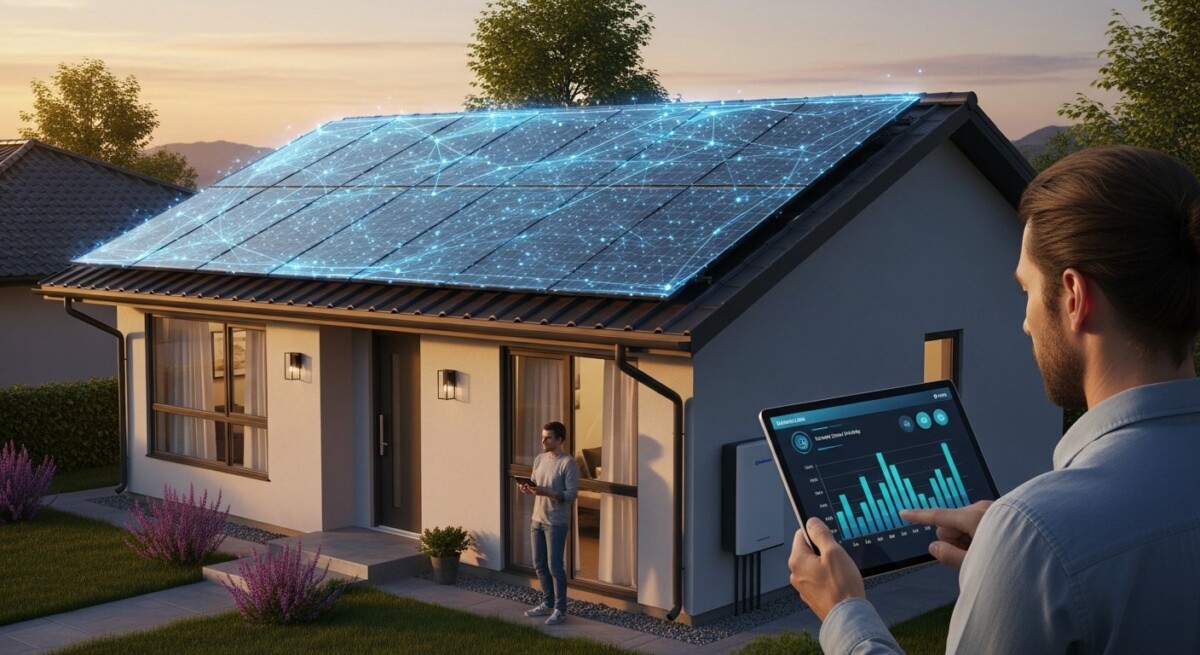
If you’ve opened your electricity bill recently and felt a sense of dread, you’re not alone. More homeowners are searching for reliable ways to reduce their energy costs and gain independence from the unpredictable power grid. This search often leads to exploring the latest ai solar energy adoption trends, which are making solar power more accessible, efficient, and financially smart than ever before.
Understanding AI Solar Energy Adoption Trends
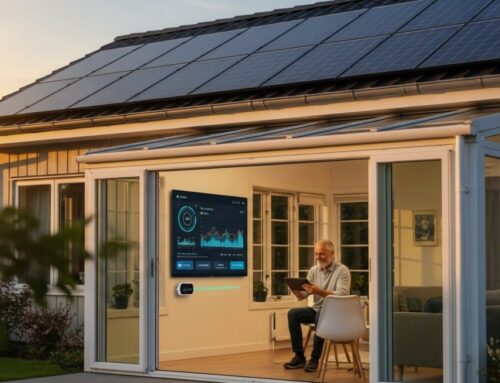
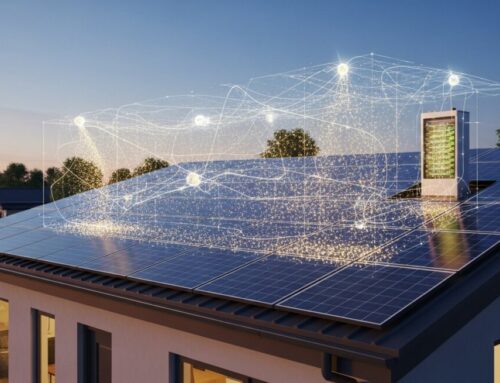
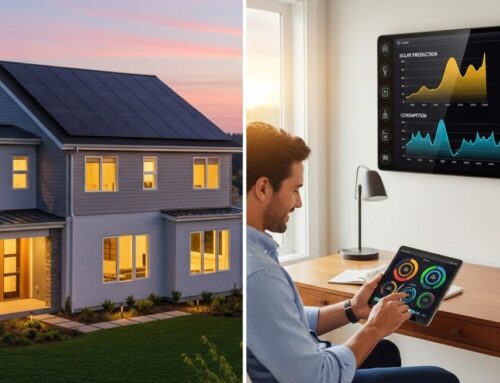
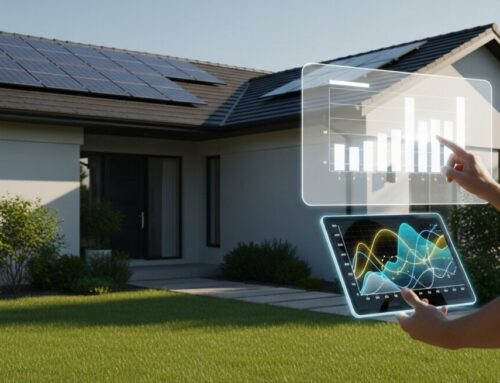
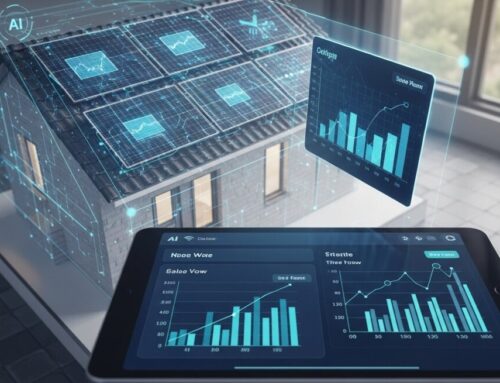
At its core, this trend is about using smart technology to make solar power systems work better for you. Artificial intelligence (AI) and advanced software are now being integrated into solar panels, inverters, and monitoring systems. These tools help your system produce more energy and save you more money.
Think of it as giving your solar panels a brain. Instead of just generating power when the sun shines, an AI-enhanced system can predict weather patterns, optimize energy production throughout the day, and even manage how energy is stored in a home battery. This intelligent approach is why more homeowners are considering modern solar installations a wise long-term investment.
Why Solar Energy Is Becoming More Popular
The primary driver for most families is financial security. Electricity prices have a history of rising, and solar panels offer a powerful way to lock in your energy rate for decades. By generating your own power, you protect yourself from future rate hikes and take control of a major household expense.
Beyond the wallet, environmental concerns and a desire for self-reliance are strong motivators. Solar power allows you to reduce your carbon footprint significantly. It also provides peace of mind during grid outages, especially when paired with a battery, keeping your lights on and your family comfortable.
If you are considering solar power for your home, comparing installation quotes can help you understand your options. Request a free solar quote or call to learn more.
Common Questions Homeowners Have About Solar
It’s normal to have questions before making a significant home upgrade. The good news is that professional installers are experts at guiding homeowners through these common concerns. They can provide clear, personalized answers based on your specific home and goals.
Understanding the process and the technology upfront is key to a satisfying experience. Here are some of the most frequent questions homeowners ask:
- How much does a solar panel system actually cost?
- Is my roof suitable for solar panels?
- What happens on cloudy days or at night?
- How long will the installation process take?
- Will solar panels increase my property taxes?
- What maintenance is required?
How Solar Panel Installation Works
The installation process is managed start-to-finish by your chosen professional. A reputable company handles everything from the initial design to securing the necessary permits from your local government. Your role is to ask questions, review proposals, and make informed choices.
The goal is a seamless experience that results in a system tailored to your energy consumption. The main steps typically follow a logical order:
- Home Energy Assessment: An expert evaluates your roof, electrical panel, and past energy bills.
- System Design: A custom solar plan is created to maximize your savings.
- Permits and Approvals: Your installer files all paperwork with your city and utility company.
- Panel Installation: The physical installation of racks, panels, and inverters on your roof.
- System Activation: Final inspections are completed, and your system is turned on.
Speaking with experienced installers can help you determine the best solar solution for your home. Compare solar quotes here or call to explore available options.
Signs Your Home May Be Ideal for Solar
While solar technology works in many climates, certain home characteristics make it particularly effective. The most important factor is access to sunlight. A roof that gets direct sun for most of the day, with minimal shading from trees or other structures, is a prime candidate.
Your current energy habits also play a big role. Homes with higher electricity bills typically see a faster return on their solar investment. If you plan to stay in your home for several years, you’ll have ample time to enjoy the long-term savings. Key indicators include:
- A south-facing roof area in good condition.
- Consistently high monthly electricity bills.
- Plans to own your home for 5+ years.
- A desire to reduce your environmental impact.
- Concern about rising energy costs or grid reliability.
What Affects Solar Installation Costs
The total price of a solar system isn’t one-size-fits-all. It’s influenced by your specific energy needs and home setup. The size of the system, measured in kilowatts (kW), is the biggest factor,a home with higher usage needs a larger system.
Equipment quality, roof complexity, and local labor rates also contribute. Crucially, you must factor in available financial incentives. The federal solar tax credit can reduce your cost by 30%, and many states and utilities offer additional rebates, which a qualified installer will help you navigate.
The cost of solar installation varies depending on your home and energy needs. Request personalized solar quotes or call to see what options are available.
Tips for Choosing a Reliable Solar Installer
Your installer is your partner in this journey, so choosing a trustworthy company is essential. Look for established businesses with strong local reputations and a track record of successful installations. They should be licensed, insured, and offer robust warranties on both equipment and workmanship.
Never rely on a single quote. Getting multiple proposals allows you to compare equipment, financing options, and projected savings. This due diligence ensures you get the best value and a system you can trust for 25 years or more. Useful tips include:
- Verify licenses and certifications (like NABCEP).
- Read recent customer reviews and ask for references.
- Compare the equipment brands and warranties offered.
- Get detailed, written quotes from at least three companies.
- Ensure they handle the entire permit and interconnection process.
Long-Term Benefits of Installing Solar Panels
The most immediate benefit is watching your electric bill shrink, often dramatically. Over the system’s lifespan, this adds up to tens of thousands of dollars in savings, effectively paying for the system many times over. This financial cushion becomes more valuable as utility rates continue to climb.
Solar panels are also a proven home improvement that increases property value. Studies show buyers are willing to pay more for a home with owned solar panels. Beyond finances, you gain the satisfaction of energy independence and contributing to a cleaner environment, integrating renewable energy into your daily life in a meaningful way.
How much can I really save with solar panels?
Savings depend on your local electricity rates, system size, and sun exposure. Many homeowners offset 70-100% of their bill, leading to savings of $20,000 to $70,000 over the system’s life. A professional quote will provide a personalized savings projection.
What is the federal solar tax credit?
It’s a tax incentive that allows you to deduct 30% of your solar system’s cost from your federal taxes. If your system costs $25,000, you could receive a $7,500 credit. This significantly reduces the net price of going solar.
Do solar panels work during a power outage?
Standard grid-tied systems shut off for safety during an outage. To have power when the grid is down, you need a solar battery storage system. This stores excess energy for use at night or during emergencies.
How long do solar panels last?
Most quality solar panels come with a 25-year performance warranty, guaranteeing they’ll still produce at a high capacity at that age. The systems are durable and require very little maintenance over their decades of operation.
Can I install solar panels myself?
While DIY kits exist, professional installation is highly recommended. Installers ensure the system is safe, meets all electrical codes, is properly permitted, and is eligible for incentives and warranties. Mistakes can be costly and dangerous.
What happens if I sell my house?
Solar panels typically increase your home’s value and marketability. Multiple studies have shown homes with solar sell faster and for more money than comparable homes without it, offering you a strong return on your investment.
Exploring solar energy for your home is a practical step toward financial predictability and energy independence. By understanding the current trends and benefits, you can make a confident decision. The best next step is to gather information specific to your home by comparing detailed quotes from trusted local installers.