How AI Boosts Solar Panel Efficiency and Savings
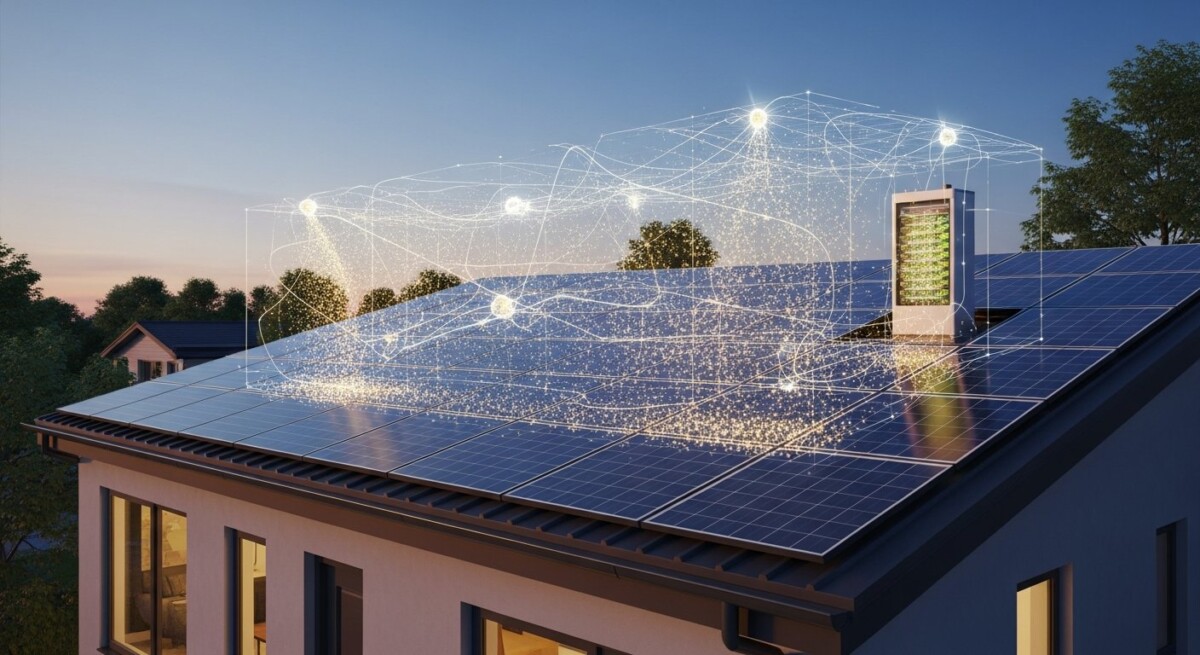
You’ve likely noticed your electricity bill creeping higher each year. As costs rise, more homeowners are searching for a reliable way to reduce their energy expenses and gain independence from the unpredictable grid. The answer increasingly involves a powerful combination: solar panels enhanced by artificial intelligence (AI). This technology is revolutionizing how we generate and use solar power, making it a smarter investment than ever for your home.
Understanding How AI Improves Solar Panel Output
At its core, AI for solar panels is about intelligent optimization. It’s a suite of software and hardware tools that constantly learns and adjusts to squeeze the maximum possible energy from your system. Think of it as a brilliant, 24/7 manager for your rooftop power plant.
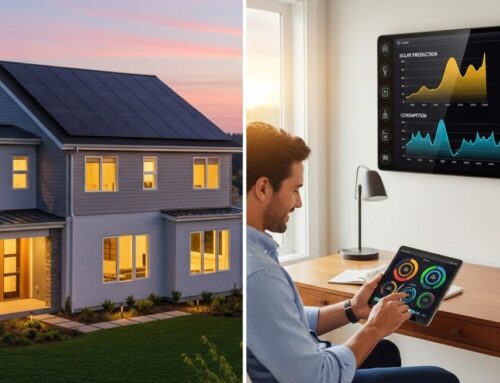
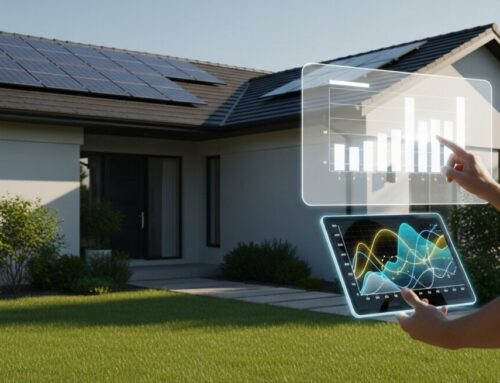
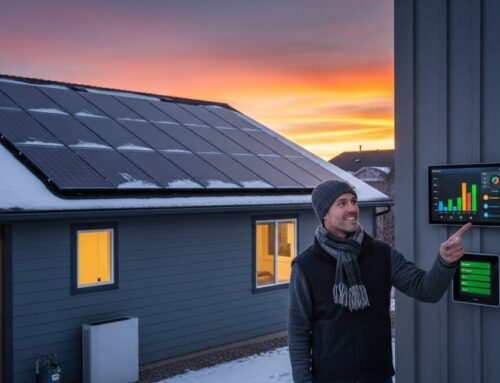
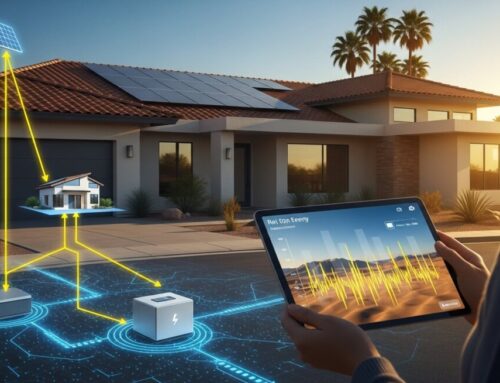
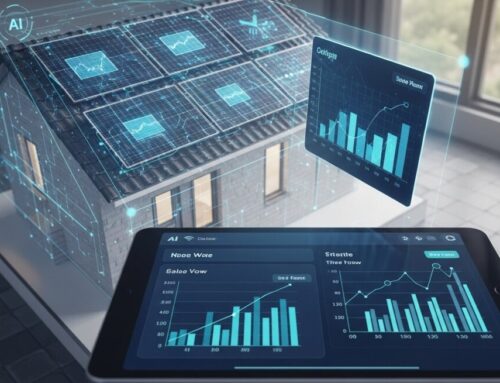
This technology works by collecting vast amounts of data from sensors on your panels and your home’s energy use. It analyzes weather forecasts, historical production, and real-time performance. Using this information, AI can predict issues, automatically adjust system settings, and even manage how energy flows to your appliances or battery storage. For a deeper look at the monitoring side, our guide on monitoring solar panels using AI explains the tools in detail.
More homeowners are considering AI-enhanced systems because they directly translate to more kilowatt-hours on your roof and more dollars saved in your pocket. It turns a static installation into a dynamic, responsive energy asset.
Why Solar Energy Is Becoming More Popular
The shift to solar power is driven by a powerful mix of financial and environmental motivations. With traditional electricity rates showing no sign of decreasing, locking in a low, predictable cost for power for decades is incredibly appealing. Solar panels provide a tangible shield against future rate hikes.
Beyond the bills, there’s a growing desire to reduce our carbon footprint. Generating clean energy from the sun is a direct, impactful action homeowners can take. It contributes to cleaner air and a more sustainable future, offering peace of mind alongside practical savings.
The long-term financial picture is compelling. While there’s an upfront investment, the combination of slashed electric bills, increased home value, and available government incentives creates a strong return. Solar is no longer just an environmental choice; it’s a sound financial strategy for long-term homeowners.
If you are considering solar power for your home, comparing installation quotes can help you understand your options. Request a free solar quote or call to learn more.
Common Questions Homeowners Have About Solar
It’s normal to have questions before making a significant home upgrade. Many wonder about the initial cost and how long it will take to see a return. Others are unsure if their roof gets enough sun or if it’s even strong enough to support panels.
Concerns about system performance and maintenance are also common. Homeowners want to know their investment will work reliably for years to come. Addressing these questions upfront is a key part of the research process.
- How much do solar panels cost, and are there financing options?
- Is my roof suitable (direction, angle, shading, condition)?
- What happens on cloudy days or at night?
- How long will the system last, and what maintenance is required?
- Will solar panels increase my property value?
- What incentives or tax credits are available to me?
How Solar Panel Installation Works
The installation process is designed to be straightforward and managed by professionals from start to finish. It begins with a detailed assessment of your home’s energy needs and physical characteristics. This ensures the system is perfectly tailored to you.
Your installer will handle all the complex steps, including system design, securing permits, and coordinating with your utility company. The goal is a seamless experience that transforms your roof into a power source with minimal disruption to your daily life.
- Home Energy Assessment & Consultation: Review your bills, evaluate your roof, and discuss goals.
- Custom System Design: Engineers create a plan for optimal panel placement and equipment.
- Permits & Approvals: Your installer secures all necessary local permits and utility interconnection agreements.
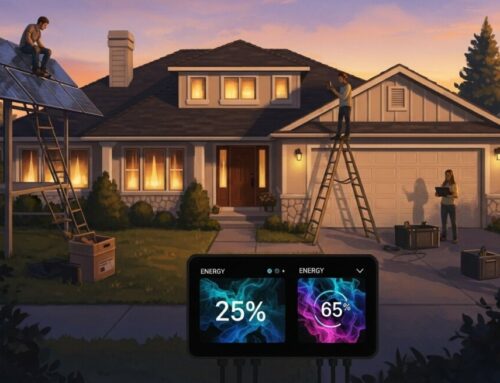
- Physical Installation: The racking, panels, inverter, and monitoring system are installed.
- Inspections & Activation: Final inspections are passed, and your system is turned on to start producing power.
Speaking with experienced installers can help you determine the best solar solution for your home. Compare solar quotes here or call to explore available options.
Signs Your Home May Be Ideal for Solar
Certain home characteristics make solar panels particularly effective and financially rewarding. The most obvious factor is access to strong, unobstructed sunlight for a good portion of the day. A south-facing roof is ideal, but east and west-facing roofs can also work very well.
Your current energy consumption and future plans also matter. If you have high electricity bills, solar can make a significant dent. Furthermore, if you plan to stay in your home for the long term, you’ll maximize the financial return on your investment.
- Your roof receives direct sunlight for at least 5-6 hours per day, with minimal shading from trees or chimneys.
- You have high monthly electricity bills you’d like to reduce.
- You have a suitable roof area (typically 200+ square feet) that is in good condition.
- You plan to own your home for 7-10+ years to realize the full savings.
- You live in an area with strong net metering policies or state incentives.
- You are interested in increasing your energy independence and home value.
What Affects Solar Installation Costs
The final price of a solar system depends on several key factors. The size of the system, measured in kilowatts (kW), is the primary driver,a larger system to cover 100% of your usage will cost more than a smaller one. The quality and efficiency of the panels and inverter you choose also influence the price.
Installation complexity, such as roof type or multiple roof planes, can affect labor costs. Most importantly, local and federal incentives dramatically reduce the net cost. The federal solar tax credit, for example, allows you to deduct a significant percentage of the system cost from your federal taxes. Getting accurate solar panel cost estimates is a crucial first step in your planning.
The cost of solar installation varies depending on your home and energy needs. Request personalized solar quotes or call to see what options are available.
Tips for Choosing a Reliable Solar Installer
Selecting the right installer is as important as choosing the right equipment. A reputable company ensures a quality installation, proper permitting, and long-term support. They become your partner in energy savings for the life of the system.
Take your time to research and compare. Don’t just choose the first quote or the lowest price. Look for a balance of experience, quality products, strong warranties, and transparent customer service.
- Check for proper licensing, insurance, and certifications (like NABCEP).
- Review years of experience and ask for local references or case studies.
- Read online customer reviews and check their rating with the Better Business Bureau.
- Understand the warranties offered on both equipment and workmanship.
- Get detailed, written quotes from at least three different companies to compare.
- Ensure they handle the entire process, including permits and utility paperwork.
Long-Term Benefits of Installing Solar Panels
The advantages of going solar extend far beyond the initial activation. The most immediate and consistent benefit is dramatically lower electricity bills. For many homeowners, this can mean saving thousands of dollars over the system’s 25+ year lifespan, effectively locking in your energy rate.
You also gain a greater degree of energy independence, buffering yourself from grid outages (especially with a battery) and unpredictable utility rate increases. Furthermore, studies consistently show that solar panels increase your home’s market value, often by more than the cost of the system itself.
Finally, there’s the profound satisfaction of reducing your household’s carbon footprint. By generating clean, renewable power, you’re contributing directly to a healthier environment, making it a legacy investment for both your finances and the planet.
How exactly does AI increase my solar panel output?
AI uses advanced monitoring to detect tiny drops in performance you’d never notice. It can identify shading issues, dirty panels, or minor equipment faults early. By predicting weather patterns, it can also optimize energy storage and usage timing, ensuring you use more of your own solar power instead of buying from the grid.
Is my home a good candidate for solar panels?
Most homes are good candidates if the roof has adequate sun exposure. Key factors include a roof in good condition, minimal shading from trees or other structures, and sufficient space. The best way to know for sure is to get a professional assessment from a qualified solar installer who can provide a detailed analysis.
What is the average payback period for a solar panel system?
The average payback period in the U.S. is typically between 6 to 10 years, but it varies widely. It depends on your local electricity rates, the cost of your system, available incentives, and your energy consumption. After the payback period, the electricity your system produces is essentially free for the rest of its lifespan.
Do solar panels work during a power outage?
Standard grid-tied solar systems automatically shut off during a power outage for safety reasons, to protect utility workers. However, if you pair your system with a solar battery storage unit, you can keep your lights on. The battery stores excess solar energy for use anytime, including during outages.
What maintenance do solar panels require?
Solar panels require very little maintenance. Rainfall usually cleans them sufficiently. It’s a good idea to have them visually inspected periodically, and you may need to clean them if you live in a very dusty area or have little rain. Your monitoring system (especially AI-enhanced ones) will alert you if performance drops significantly.
Are there tax credits or rebates for installing solar?
Yes, the federal government offers a significant Investment Tax Credit (ITC) that allows you to deduct a percentage of your system cost from your federal taxes. Many states, counties, and utilities offer additional rebates, tax credits, or performance-based incentives. A good installer will help you identify all incentives you qualify for.
Investing in solar power, especially when enhanced with modern AI optimization, is a powerful step toward controlling your energy costs and contributing to a sustainable future. The technology is proven, the financial benefits are clear, and the process is more accessible than ever. By taking the time to compare detailed quotes from trusted local installers, you can make a confident decision that will benefit your home and your wallet for decades to come.