Get Solar Panel Quotes to Save on Electricity Bills
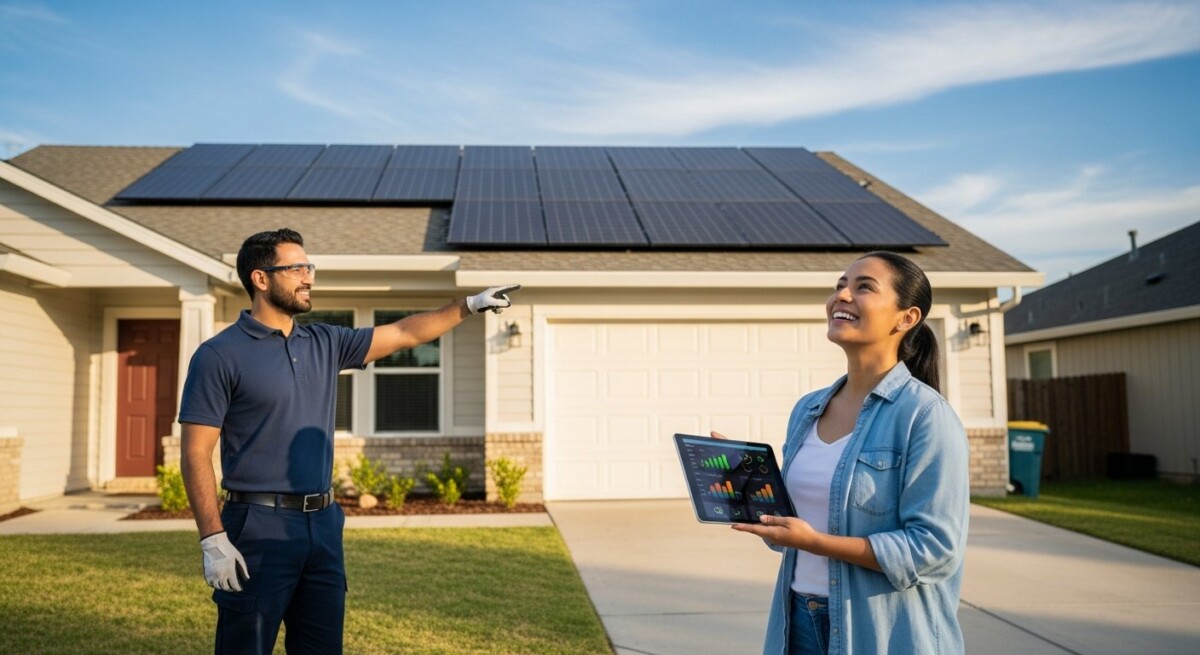
Have you opened your electricity bill recently and felt a jolt of surprise? With energy costs steadily climbing, more and more homeowners are looking for a reliable way to control their expenses. The search for stability often leads them to explore solar energy and, importantly, to start comparing solar panel quotes. This simple step is the gateway to reducing your monthly bills and gaining independence from the unpredictable power grid.
Understanding Solar Panel Quotes
A solar panel quote is a detailed proposal from an installation company. It outlines exactly what your solar energy system will include and how much it will cost. Think of it as a customized blueprint for your home’s energy future.
The quote breaks down the equipment, installation labor, and projected financial outcomes. It shows you the upfront investment alongside your long-term savings. This document is essential for making an informed, confident decision about going solar.
Why Solar Energy Is Becoming More Popular
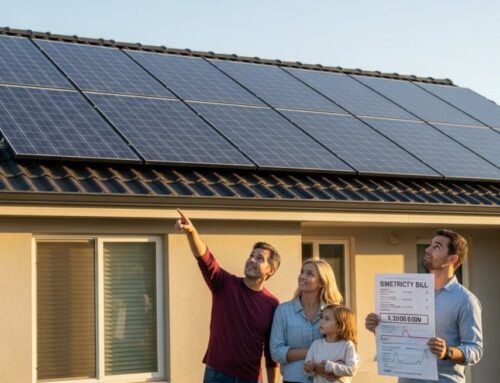
Homeowners are turning to solar power for several powerful reasons. First, it directly counters the pain of rising electricity rates. Once your system is installed, you generate your own power, which shields you from future price hikes.
Beyond the wallet, there’s a strong desire to make a positive environmental choice. Solar energy is clean, renewable, and reduces your household’s carbon footprint. Combined with significant long-term savings, it’s a practical solution that also feels good.
If you are considering solar power for your home, comparing installation quotes can help you understand your options. Request a free solar quote or call to learn more.
Common Questions Homeowners Have About Solar
It’s normal to have questions before making such a significant home upgrade. Many people wonder about the initial cost and how long it will take to see a return on their investment. Others are concerned about whether their roof is suitable or if they’ll have power on cloudy days.
Professional installers address these concerns in your personalized quote. They assess your home’s specific conditions and energy usage to provide accurate answers. A good quote transforms uncertainty into a clear, actionable plan.
- How much will a solar panel system cost for my home?
- Is my roof strong enough and does it get enough sun?
- What happens to my solar power when the sun isn’t shining?
- How long will the installation process take?
- Will I still have an electricity bill?
- What maintenance is required for the system?
How Solar Panel Installation Works
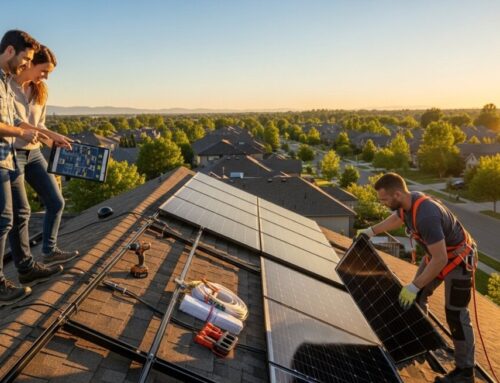
The installation process is managed start-to-finish by your chosen professional. It’s designed to be straightforward and minimally disruptive for you. From the initial assessment to flipping the switch, experienced crews handle every step.
This structured approach ensures your system is safe, efficient, and compliant with all local regulations. You won’t need to navigate permits or utility paperwork on your own. Your installer acts as your guide through the entire journey.
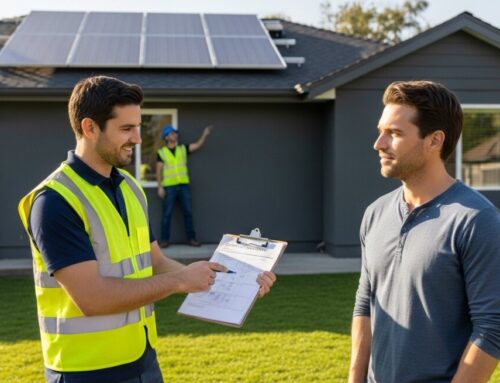
- Home Energy Assessment: An expert evaluates your roof, electricity usage, and goals.
- System Design: A custom solar array is designed to maximize your home’s energy production.
- Permits and Approvals: The installer secures all necessary permits and utility interconnection agreements.
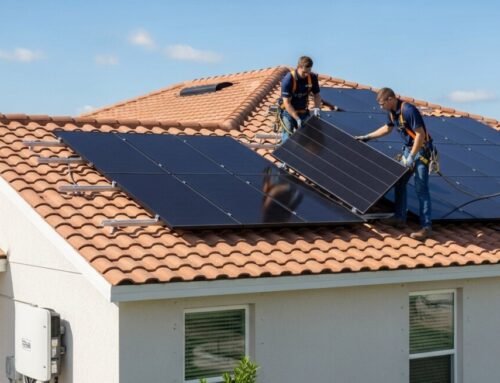
- Panel Installation: The racking, panels, and inverter are installed on your roof, typically in 1-3 days.
- System Activation: After a final inspection, your system is connected and you start generating power.
Speaking with experienced installers can help you determine the best solar solution for your home. Compare solar quotes here or call to explore available options.
Signs Your Home May Be Ideal for Solar
While many homes are good candidates, some characteristics make the benefits of solar even greater. The most obvious factor is access to strong, unobstructed sunlight for most of the day. A south-facing roof with minimal shade is typically ideal.
Your current energy habits also play a key role. If you have consistently high electricity bills, solar can provide substantial relief. The investment makes the most financial sense if you plan to stay in your home long enough to enjoy the full savings.
- Your roof is in good condition and receives direct sunlight for several hours daily.
- You pay more than $100 per month on your electricity bill.
- You have a suitable amount of unshaded roof space.
- You plan to own your home for the next 5-10 years or more.
- Your local utility has net metering or other favorable solar policies.
- You are interested in increasing your property value and energy independence.
What Affects Solar Installation Costs
The final price in your solar panel quote is influenced by several key factors. The size of the system, measured in kilowatts (kW), is the primary driver. A larger system for a big home with high usage will cost more than a smaller one.
Equipment quality and installation complexity also play major roles. Premium, high-efficiency panels and inverters may have a higher upfront cost but can produce more power over time. The pitch and material of your roof, along with local labor rates, will be factored in as well. Crucially, available government incentives or rebates, like the federal solar tax credit, can significantly reduce your net cost, making the investment more accessible than many homeowners realize.
The cost of solar installation varies depending on your home and energy needs. Request personalized solar quotes or call to see what options are available.
Tips for Choosing a Reliable Solar Installer
Your installer is your partner in this long-term investment, so choosing wisely is crucial. Look for established companies with strong track records in your community. They should have the experience to handle your project smoothly from design to activation.
Always review their certifications, warranties, and customer feedback. A trustworthy installer will be transparent, answer all your questions, and never use high-pressure sales tactics. Comparing multiple detailed quotes is the single best way to ensure you get a fair price and a quality system.
- Verify licenses, insurance, and certifications (like NABCEP).
- Read customer reviews and ask for local references.
- Compare the equipment warranties and the installer’s workmanship guarantee.
- Ensure they handle the entire process, including permits and utility paperwork.
- Get and compare at least three different solar panel quotes.
Long-Term Benefits of Installing Solar Panels
The most immediate benefit is slashing your monthly electricity bill. Over the 25+ year life of a system, these savings can amount to tens of thousands of dollars. This financial cushion protects you from rising energy costs for decades.
Solar panels also increase your home’s market value and appeal to future buyers. You’ll gain greater energy independence and contribute to a cleaner environment by reducing fossil fuel reliance. It’s an investment that pays you back financially while aligning with a sustainable lifestyle. For those looking to maximize self-sufficiency, pairing panels with a solar panel battery charger system can provide backup power and true off-grid capability.
How long do solar panels last?
Most high-quality solar panels come with a performance warranty guaranteeing they will still produce at least 80-85% of their original output after 25 years. The physical panels themselves can last 30 years or longer with minimal maintenance. The inverter, which converts the power, typically needs replacement once during the system’s lifespan.
Do solar panels work in cloudy weather or winter?
Yes, solar panels do generate electricity on cloudy days, though at a reduced efficiency. They convert both direct and diffuse sunlight. Modern panels are quite effective even in less-than-ideal conditions. For a deeper look at this, our guide on solar panel output on cloudy days explains the specifics. Snow can temporarily reduce output, but it usually melts quickly and the cold temperatures can actually improve panel efficiency.
What is net metering?
Net metering is a billing arrangement with your utility company. When your solar panels produce more electricity than your home uses, the excess is sent back to the grid. Your meter literally runs backwards, earning you credits. At night or on cloudy days, you draw power from the grid and use those credits, significantly lowering your net bill.
Can I install solar panels myself?
While DIY solar kits exist, professional installation is highly recommended for grid-tied residential systems. Installers ensure the system is electrically safe, structurally sound, and compliant with all building codes and utility requirements. Mistakes in a DIY installation can be dangerous, void equipment warranties, and may not be approved for connection to the grid.
How much maintenance do solar panels require?
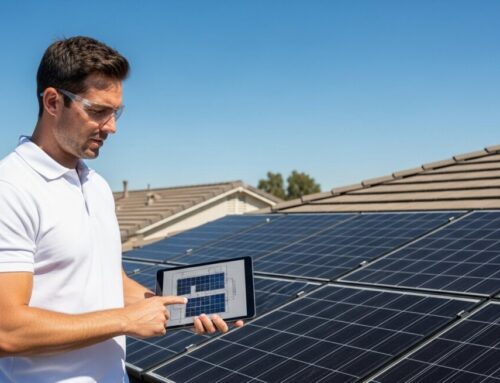
Solar panels require very little maintenance. Occasional cleaning with water to remove dust, pollen, or bird droppings is usually sufficient, and rain often handles this. You should visually inspect them a couple of times a year and ensure trees aren’t shading them. Most systems include monitoring software so you can track performance from your phone.
What financing options are available for solar?
Homeowners can purchase systems outright for the highest long-term savings, take out a solar loan (which often results in immediate bill savings), or enter a lease or Power Purchase Agreement (PPA). With a lease/PPA, a company owns the panels and sells you the power at a reduced rate, often with little to no upfront cost. Your solar panel quotes should clearly outline the financing options available to you.
Taking the step to gather and compare solar panel quotes is the most practical way to move from consideration to action. It provides clarity on costs, savings, and the right system for your unique home. Start your journey toward lower bills and energy independence today by speaking with a few trusted local installers.