Free Solar Consultation: Start Saving on Energy Bills

Have you opened your electricity bill recently and felt a jolt of surprise? You’re not alone. With energy costs steadily rising, more homeowners are looking for a way to take control. The idea of generating your own clean power, slashing your monthly bills, and becoming less dependent on the utility grid is incredibly appealing. The smart first step for many is a free solar energy consultation, a no-obligation conversation that can demystify the entire process.
Understanding Free Solar Energy Consultation
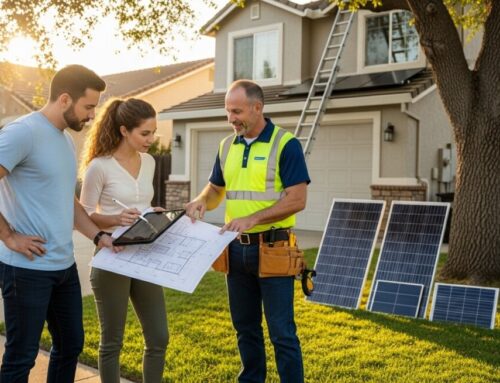
A free solar energy consultation is exactly what it sounds like: a professional assessment of your home’s solar potential at no cost to you. It’s not a sales pitch in disguise, but a practical starting point. During this meeting, a solar expert will discuss your energy goals and analyze key factors about your property.
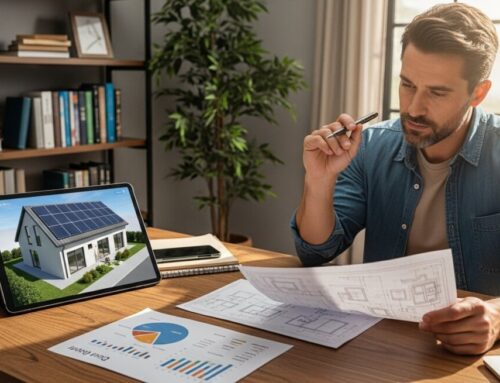
They will typically use satellite imagery and specialized software to evaluate your roof’s size, angle, and sun exposure. The consultant will also review your past electricity bills to understand your consumption patterns. The goal is to gather enough information to provide you with a preliminary, personalized solar proposal.
This service exists because reputable solar companies want to ensure a good fit before anyone invests time or money. It’s a low-risk way for you to learn what solar can realistically do for your home and budget. Think of it as an informative first date with solar energy, with no strings attached.
Why Solar Energy Is Becoming More Popular
The shift toward solar power is driven by a powerful combination of financial and environmental factors. For most families, the primary motivator is the direct impact on their wallet. Installing solar panels is a proven method to lock in lower energy costs for decades, providing a shield against unpredictable utility rate hikes.
Beyond the savings, there’s a growing desire to live more sustainably. Solar energy produces no air pollution or greenhouse gases during operation. By choosing solar, homeowners directly reduce their carbon footprint and contribute to cleaner air and a healthier environment for their community.
The long-term financial picture has also never been brighter. With available federal tax credits, state rebates, and strong system performance, the payback period for a solar investment is often shorter than many people think. This combination of immediate incentives and lifelong savings makes solar an increasingly smart home upgrade.
If you are considering solar power for your home, comparing installation quotes can help you understand your options. Request a free solar quote or call to learn more.
Common Questions Homeowners Have About Solar
It’s completely normal to have questions before making a significant home improvement decision. The cost is often the biggest concern, but understanding financing options, incentives, and long-term savings can change the perspective. Many are also unsure if their home is even a good candidate for solar power.
Homeowners frequently wonder about their roof’s condition, the amount of sunlight they receive, and how the system will look. Others have practical concerns about maintenance, what happens during a power outage, and how long the installation process takes. A professional consultation is designed to address all these points clearly and honestly.
- How much does a solar panel system really cost?
- Is my roof suitable for solar panels?
- What happens on cloudy days or at night?
- How much will I save on my electricity bill?
- Do solar panels require a lot of maintenance?
- What financing options or incentives are available?
How Solar Panel Installation Works
The journey from consultation to powered-up panels is a structured process handled largely by your installer. Once you decide to move forward, the company will conduct a detailed on-site survey of your roof and electrical system. This ensures the final design is perfectly tailored to your home’s specific layout and needs.
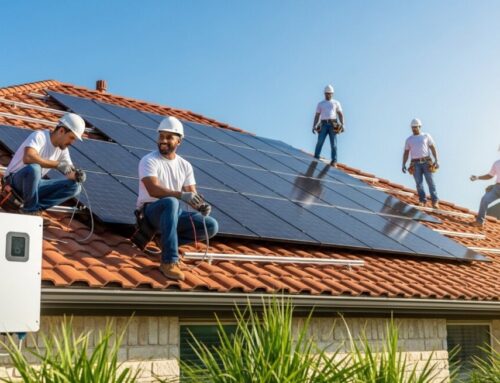
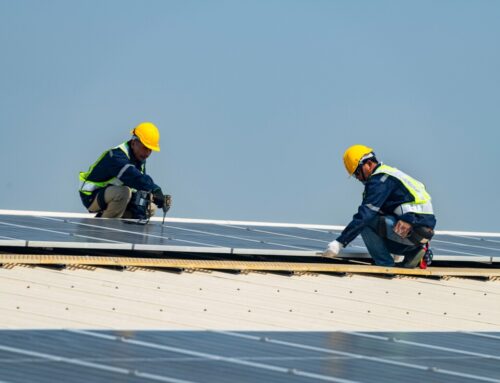
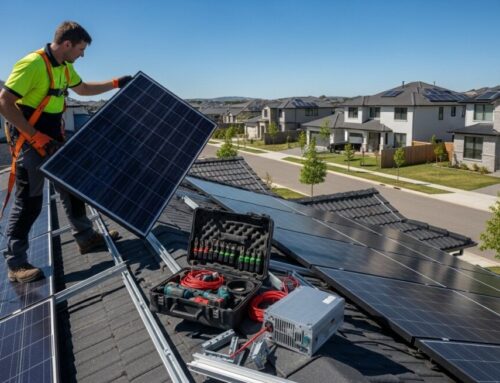
Your installer then handles the often-complex paperwork, securing the necessary permits from your local building department and applying for utility interconnection. Only after all approvals are in place does the physical installation begin. This phase is surprisingly quick, often completed in just one to three days.
- Home Energy Assessment & Design: Detailed review of your usage and creation of a custom system design.
- Permits & Approvals: Your installer secures all required local permits and utility interconnection agreements.
- Panel Installation: Mounting equipment is secured, panels are placed, and the electrical inverter is connected.
- Inspections & Activation: A final inspection ensures everything is to code, then your utility grants permission to turn the system on.
Speaking with experienced installers can help you determine the best solar solution for your home. Compare solar quotes here or call to explore available options.
Signs Your Home May Be Ideal for Solar
While many homes are excellent candidates, certain characteristics make the solar investment particularly advantageous. The most obvious factor is your roof itself. A sturdy, relatively new roof with ample, unshaded space facing south, east, or west is ideal for capturing sunlight throughout the day.
Your current energy spending is another major indicator. If your monthly electricity bills are consistently high, you have more potential savings to capture with solar. This makes the investment pay for itself more quickly. Your long-term plans also matter, as solar is an investment that yields the greatest returns if you plan to stay in your home for several years.
- You have a south, east, or west-facing roof with minimal shading from trees or other structures.
- You receive high monthly electricity bills, indicating strong energy consumption to offset.
- Your roof is in good condition and is not due for replacement soon.
- You plan to own your home for the next 5-10 years or more.
- You live in an area with strong sunlight exposure and net metering policies from your utility.
What Affects Solar Installation Costs
The final price of a solar energy system isn’t one-size-fits-all. The largest factor is the system’s size, measured in kilowatts (kW). A larger system designed to cover 100% of your electricity use will cost more upfront than a smaller one, but it will also generate greater long-term savings.
Equipment quality and brand also influence cost. Premium, high-efficiency panels and inverters may come at a higher price point but can produce more energy in a limited space. The complexity of your installation, such as a steep or multi-level roof, can affect labor costs. Crucially, available government incentives and rebates can significantly reduce your net cost, making it essential to understand all local programs.
The cost of solar installation varies depending on your home and energy needs. Request personalized solar quotes or call to see what options are available.
Tips for Choosing a Reliable Solar Installer
Selecting the right company is as important as choosing the right system. Look for an installer with a strong track record of local experience. They will be familiar with your area’s specific weather, permitting rules, and utility requirements, which can streamline the entire process.
Always check for proper licensing and insurance, and read through the warranties carefully. A reputable company will offer strong warranties on both the equipment (often 25 years) and their workmanship. Don’t hesitate to ask for references and read online reviews to gauge customer satisfaction.
- Choose an established local installer with proven experience in your community.
- Verify they are properly licensed, bonded, and insured.
- Review the details of their equipment and workmanship warranties.
- Read customer reviews and ask for references from past clients.
- Always compare detailed quotes from at least three different companies.
Long-Term Benefits of Installing Solar Panels
The most immediate and satisfying benefit is watching your electric bills plummet. By generating your own power, you dramatically reduce or even eliminate your monthly electricity charges. This predictable energy cost acts as a hedge against rising utility rates for the 25+ year life of your system.
Solar panels are also a valuable home improvement. Studies consistently show that homes with solar panels sell faster and for more money than comparable homes without them. Beyond finances, you gain a profound sense of energy independence and security, knowing you’re producing clean, renewable power right from your rooftop.
What is a free solar consultation?
A free solar consultation is a no-cost, no-obligation meeting with a solar expert. They assess your home’s solar potential by reviewing your energy bills, roof, and sun exposure to provide a preliminary estimate of costs, savings, and system design.
How much can I really save with solar panels?
Savings depend on your local electricity rates, system size, and sun exposure. Many homeowners save 50-100% on their electricity bills. Over 20+ years, total savings often amount to tens of thousands of dollars, far exceeding the system’s initial cost.
Do I need a perfect south-facing roof for solar?
Not necessarily. While south-facing is optimal, east and west-facing roofs also capture plenty of sunlight. Modern solar systems are efficient and can be designed to work well on many roof orientations, as long as shading is minimal.
What happens during a power outage if I have solar?
For safety, standard grid-tied solar systems automatically shut off during an outage unless paired with a battery backup. Adding a solar battery storage system allows you to power essential appliances from your panels even when the grid is down.
How long does the solar installation process take?
From signing a contract to system activation, the process typically takes one to three months. Most of this time is for permits and utility approvals. The physical installation on your roof is usually completed in just one to three days.
Are there tax credits or rebates for going solar?
Yes. The federal government offers a significant Investment Tax Credit (ITC) that reduces your federal income tax liability. Many states and local utilities also offer additional rebates, tax credits, or performance-based incentives to lower your net cost.
Exploring solar energy for your home is a decision that pays dividends for decades. By starting with a free consultation, you equip yourself with the facts and figures needed to make a confident choice. The path to lower bills, energy independence, and a smaller environmental footprint begins with a simple conversation. Take that first step today by comparing personalized quotes from trusted, local installers to find the best solar solution for your home.