Estimate Your Solar Savings With a Free Calculator
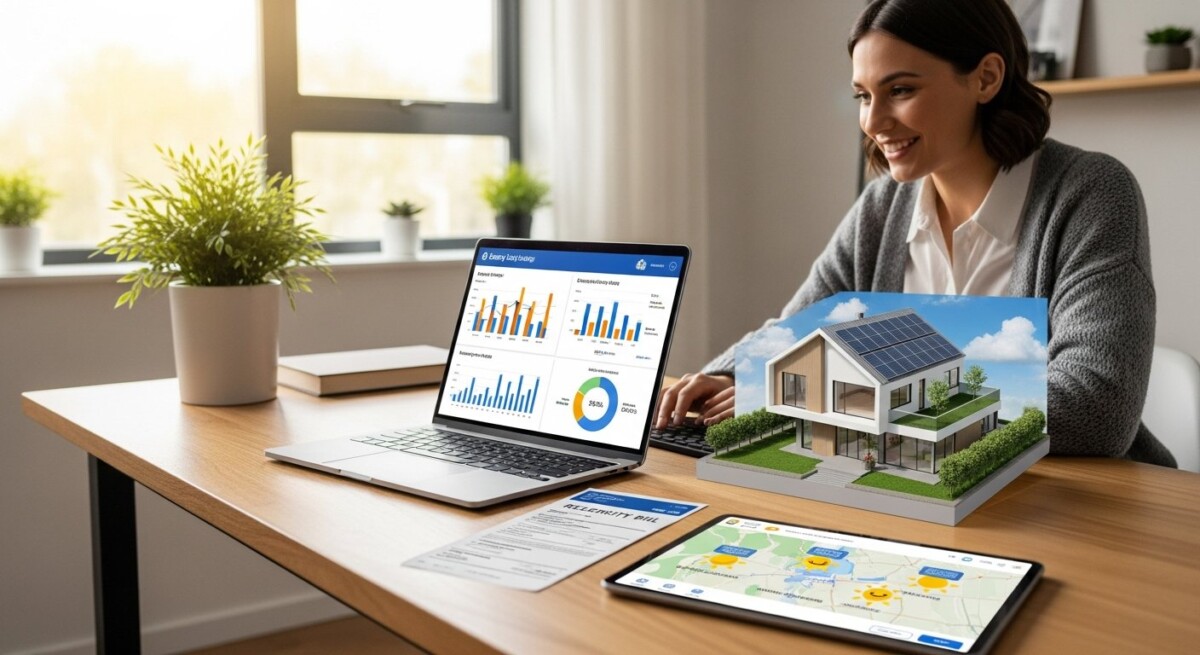
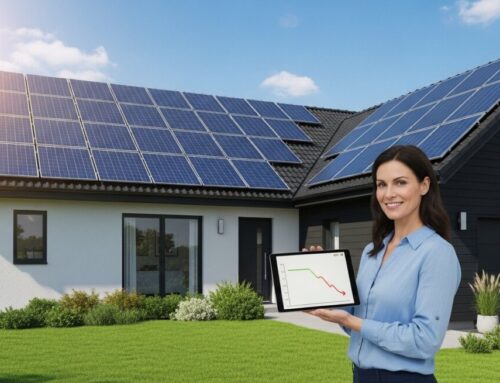
Have you opened your electricity bill recently and felt a jolt of surprise? Many homeowners are experiencing the same thing as energy costs continue to climb. This steady increase is leading more people to explore a powerful solution: generating their own clean power with solar panels. The first step for most is to use a solar savings calculator to understand the potential for reducing their energy bills and becoming less dependent on the utility grid.
Understanding Solar Savings Calculator
A solar savings calculator is a free online tool designed to give you a personalized estimate of your solar potential. It uses information about your home and energy habits to model the financial and environmental impact of installing a solar panel system. Think of it as a starting point for your research, helping you see the big picture before you speak with professionals.
These calculators typically ask for details like your average monthly electricity bill, your address, and sometimes your roof type. They then use local sunlight data, current electricity rates, and available incentives to generate a report. This report often includes an estimated system size, upfront cost, long-term savings, and even your projected reduction in carbon footprint.
How Accurate Are These Estimates?
Online calculators provide a helpful ballpark figure, but they are not a final quote. Their accuracy depends on the quality of the data you input and the sophistication of their algorithms. For a precise, tailored analysis, you will need a professional site assessment from a qualified installer. However, a good calculator is an excellent way to build confidence and knowledge as you begin your solar journey.
Why Solar Energy Is Becoming More Popular
Homeowners are turning to solar power for several compelling reasons. First and foremost is financial security. With solar panels, you can lock in a predictable cost for a significant portion of your electricity for decades, protecting yourself from unpredictable utility rate hikes.
Beyond the wallet, environmental concerns are a major driver. Choosing solar is a direct, tangible way to reduce your household’s carbon emissions and contribute to cleaner air. It’s a long-term investment that pays you back while also benefiting the planet. This combination of personal savings and positive environmental impact makes solar an increasingly attractive home upgrade.
If you are considering solar power for your home, comparing installation quotes can help you understand your options. Request a free solar quote or call to learn more.
Common Questions Homeowners Have About Solar
It’s normal to have questions when considering a significant home improvement like solar. Many people wonder about the upfront cost and how long it will take to see a return on their investment. Others are concerned about whether their roof is suitable or what happens on cloudy days.
Professional installers are experts at answering these questions and can provide clear, trustworthy information. They help you navigate the process, from understanding how federal and local solar incentives work to ensuring your system is designed for optimal performance year-round. Their guidance is invaluable for avoiding costly mistakes and ensuring your system meets your expectations.
- How much does a solar panel system cost?
- Is my roof strong enough and facing the right direction?
- What happens during a power outage?
- Will solar panels work in my climate?
- How long will the installation process take?
- What maintenance is required?
How Solar Panel Installation Works
The process of going solar is more straightforward than many people imagine. It begins with a detailed consultation and energy assessment, where a professional evaluates your home’s specific needs. This step is crucial for designing a system that maximizes your savings and fits your roof perfectly.
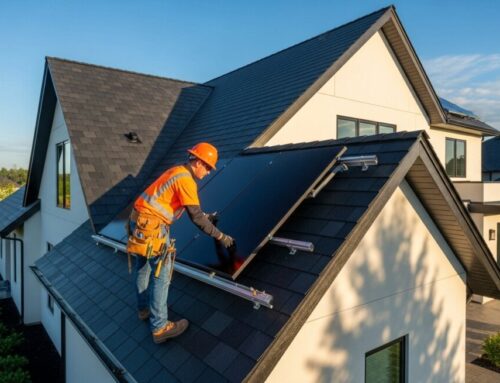
Once you approve the design, the installer handles all the necessary permits and paperwork. The physical installation of the panels and inverter is often completed in just a few days. Finally, after a local inspection and connection approval from your utility company, your system is activated, and you can start generating clean power.
- Home Energy Assessment & Consultation
- Custom System Design & Proposal
- Permitting & Utility Approvals
- Solar Panel & Equipment Installation
- Final Inspection & System Activation
Speaking with experienced installers can help you determine the best solar solution for your home. Compare solar quotes here or call to explore available options.
Signs Your Home May Be Ideal for Solar
While many homes are good candidates for solar, some characteristics make the investment particularly advantageous. The most obvious factor is access to strong, unobstructed sunlight for most of the day. A south-facing roof with minimal shading from trees or other buildings is ideal.
Your current energy consumption and future plans also play a big role. If you have high electricity bills, you have more potential savings to capture. Furthermore, if you plan to stay in your home for many years, you’ll have more time to enjoy the long-term financial benefits and increased property value that solar provides.
- Your roof receives direct sunlight for 5+ hours per day.
- You pay high monthly electricity bills.
- You have a suitable, unshaded roof area (or ground space).
- You plan to own your home for 5-10+ years.
- Your local utility has favorable net metering policies.
- You are interested in reducing your environmental footprint.
What Affects Solar Installation Costs
The total cost of your solar panel system depends on a few key variables. The size of the system, measured in kilowatts (kW), is the primary factor,a larger system that covers more of your energy use will cost more upfront but also deliver greater savings. The quality and efficiency of the equipment you choose (panels and inverters) also influence the price.
Installation complexity, such as a multi-story home or a tricky roof layout, can affect labor costs. Most importantly, available incentives dramatically reduce the net cost. The federal solar tax credit, for example, allows you to deduct a significant percentage of the system cost from your federal taxes, making solar much more affordable. Our detailed guide on the solar investment tax credit explains how this powerful incentive works.
The cost of solar installation varies depending on your home and energy needs. Request personalized solar quotes or call to see what options are available.
Tips for Choosing a Reliable Solar Installer
Selecting the right installer is one of the most important decisions you’ll make. A reputable company will ensure your system is designed correctly, installed safely, and performs optimally for years to come. They should be transparent about costs, timelines, and equipment options.
Always check for proper licensing and insurance, and ask about the warranties they offer on both equipment and workmanship. Reading reviews from past customers can provide insight into their reliability and customer service. Most experts agree that getting multiple detailed quotes is the best way to ensure you’re getting a fair price and a quality proposal.
- Verify they are licensed, insured, and certified (e.g., NABCEP).
- Choose a company with several years of local installation experience.
- Review customer testimonials and ratings on independent sites.
- Understand the full scope of warranties for equipment and labor.
- Get at least three detailed quotes to compare.
- Ensure they handle all permitting and interconnection paperwork.
Long-Term Benefits of Installing Solar Panels
The advantages of solar energy extend far beyond the initial reduction in your monthly utility bill. Over 25+ years, the cumulative savings can be substantial, effectively paying for the system many times over. This investment also increases your home’s market value, with studies showing buyers are often willing to pay more for a home with owned solar panels.
Perhaps one of the most satisfying benefits is energy independence. By producing your own power, you gain control over a major household expense and reduce your reliance on the traditional power grid. Combined with the significant positive environmental impact of reducing fossil fuel use, solar power offers a powerful package of financial, practical, and ethical rewards.
How much can I really save with solar panels?
Savings vary based on your location, energy use, system size, and local electricity rates. A well-designed system can often eliminate 70-100% of your electric bill. Over 20-30 years, total savings can reach tens of thousands of dollars, especially as utility rates continue to rise.
Do I need a battery with my solar panels?
Not necessarily. Most homes start with a grid-tied system without a battery, which is the most cost-effective. Batteries provide backup power during outages and can increase energy independence, but they add significant cost. Your installer can advise if a battery makes sense for your needs and budget.
What is net metering?
Net metering is a billing arrangement with your utility company. When your solar panels produce more electricity than your home uses, the excess is sent to the grid, and you earn credits. At night or on cloudy days, you draw power from the grid and use those credits, significantly reducing your net cost.
How long do solar panels last?
High-quality solar panels are very durable and typically come with a 25-year performance warranty. They are designed to withstand harsh weather. While their efficiency very slowly decreases over time, they can continue producing electricity well beyond their warranty period.
Will solar panels damage my roof?
A professional installation should not damage your roof. Reputable installers conduct a roof inspection first and use mounting systems that protect the roof’s integrity. In fact, the panels can actually protect the portion of the roof they cover from sun and weather exposure.
What happens if I sell my house?
Solar panels are generally seen as a valuable home upgrade that can make your property sell faster and for more money. Be sure to understand how your system’s financing (owned, loan, lease) transfers to the new homeowner, as this varies.
Using a solar savings calculator is an excellent first step to understanding your home’s potential. It transforms the abstract idea of solar power into concrete numbers you can evaluate. To move from an estimate to a reality, the most important next step is to consult with trusted, local professionals who can provide accurate quotes and expert guidance tailored to your unique home.