Compare Solar Energy Options for Homeowners
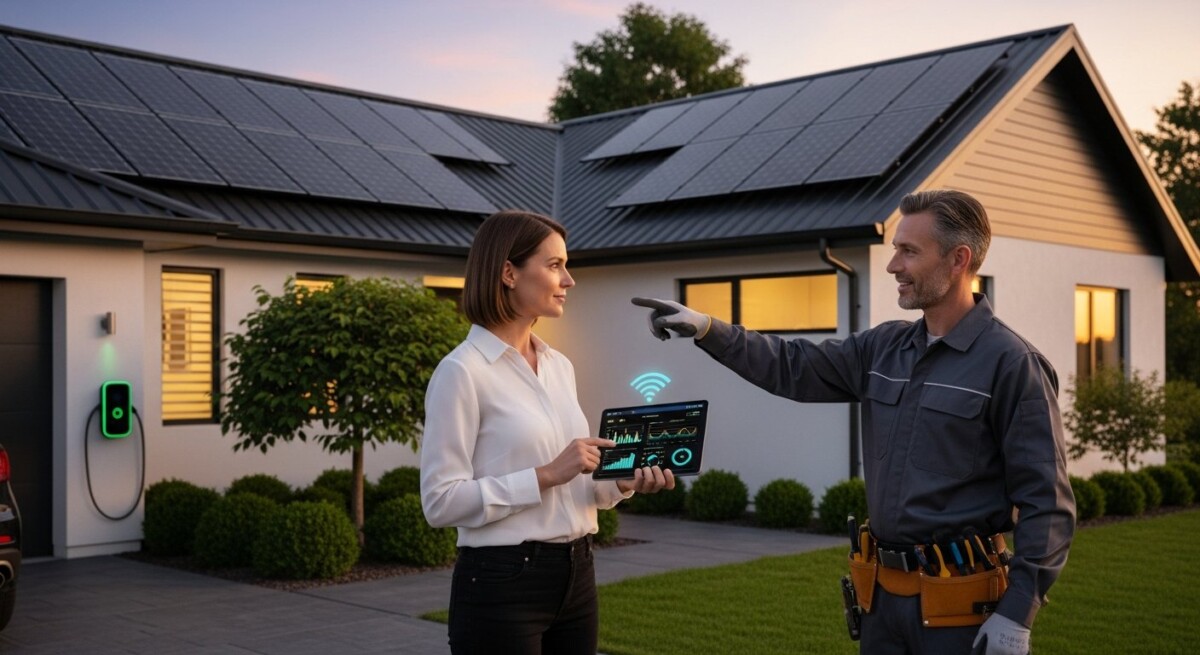
If you’ve opened your electricity bill recently and felt a sense of dread, you’re not alone. Rising energy costs are prompting more and more homeowners to explore a powerful alternative: solar power. The search for ways to reduce monthly expenses and gain independence from the utility grid often leads to one crucial step: to compare solar energy options. Understanding the different systems, costs, and benefits is the first move toward making an informed, confident decision for your home and your wallet.
Understanding Compare Solar Energy Options
When we talk about comparing solar energy options, we mean looking at the different ways you can power your home with the sun. It’s not just about picking a panel brand. It involves evaluating system sizes, financing methods, equipment quality, and installer expertise to find the perfect fit for your unique situation.
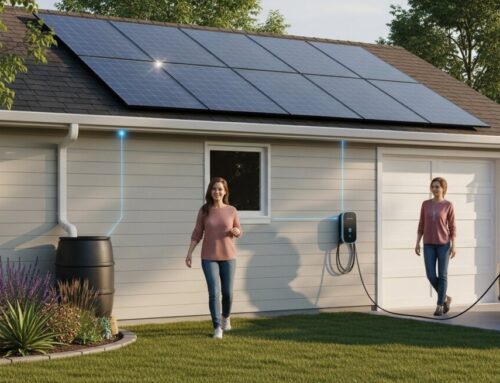
The core technology is simple. Solar panels on your roof capture sunlight and convert it into direct current (DC) electricity. An inverter then transforms that into the alternating current (AC) electricity your home appliances use. Any extra power you generate can often be sent back to the grid, potentially earning you credits on your bill.
Comparing options means moving from a vague idea to a concrete plan. It helps you answer key questions: How many panels do I need? What will it truly cost after incentives? Which installer can I trust? This process turns the complex world of solar into a clear, manageable project.
Why Solar Energy Is Becoming More Popular
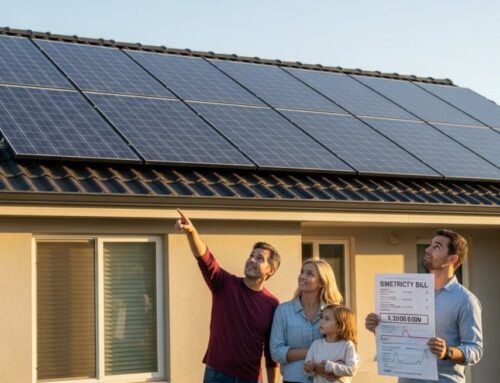
Homeowners are turning to solar at a record pace, and the reasons are compelling. First and foremost is financial security. With electricity rates consistently trending upward, locking in a predictable, low-cost energy source for decades provides immense peace of mind and long-term savings.
Environmental concerns are another major driver. Choosing solar is a direct, tangible way to reduce your household’s carbon footprint. It allows you to generate clean, renewable energy right where you use it, contributing to a healthier planet for future generations.
Finally, the desire for energy independence is powerful. Solar panels, especially when paired with a home battery, can provide backup power during grid outages. This means greater control over your energy supply and less vulnerability to external price shocks or infrastructure failures.
If you are considering solar power for your home, comparing installation quotes can help you understand your options. Request a free solar quote or call to learn more.
Common Questions Homeowners Have About Solar
It’s normal to have questions when considering a significant home upgrade like solar. Many people wonder about the upfront cost, which can seem high. However, with today’s financing options, federal tax credits, and local rebates, solar is more accessible than ever, often with little to no money down.
Another common concern is whether a home is suitable. You don’t need perfect, south-facing roof space in the desert to benefit. Modern systems are efficient and can work well in many climates and on various roof types. A professional assessment can quickly determine your home’s solar potential.
People also worry about maintenance and performance. Fortunately, solar panels have no moving parts and are incredibly durable, often coming with 25-year performance warranties. They require minimal upkeep, usually just an occasional rinse to clear away dust or debris.
- How much will a solar system really cost after incentives?
- Is my roof suitable for solar panels?
- What happens on cloudy days or at night?
- How long will the installation process take?
- Will solar panels increase my property taxes or home insurance?
- What kind of warranty and maintenance should I expect?
How Solar Panel Installation Works
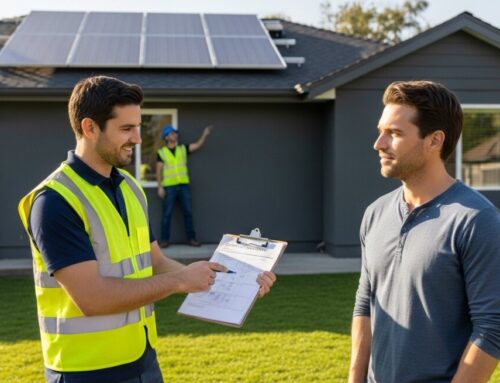
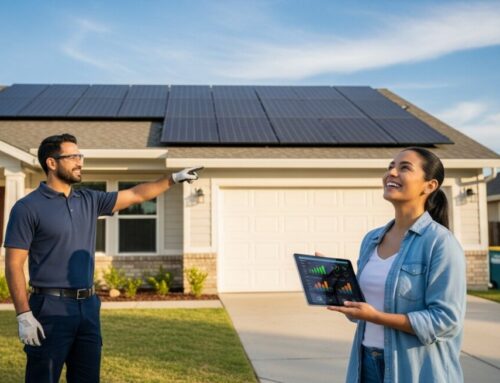
The solar installation process is a coordinated series of steps managed by your chosen professional. It begins with a detailed consultation and site assessment. An expert will evaluate your roof’s condition, sun exposure, and your historical energy usage to design a system tailored to your needs.
Once you approve the design, the installer handles all the necessary permits and paperwork with your local government and utility company. This ensures your system is compliant with all building codes and is properly connected to the grid for net metering.
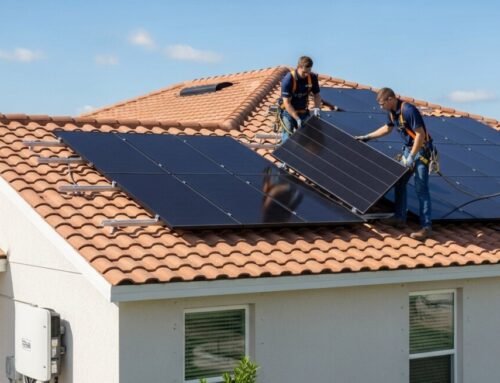
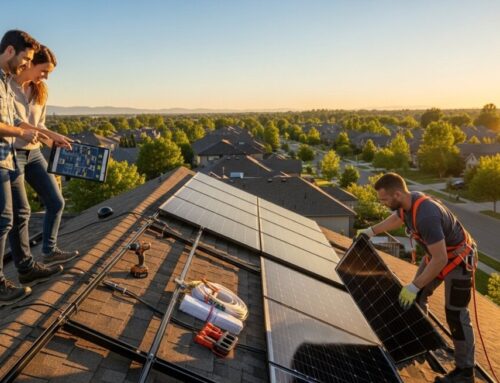
The physical installation is typically quick, often completed in just one to three days. After a final inspection by local authorities and the utility, your system is activated. You can then start generating your own clean power and watching your electricity meter slow down or even spin backward.
- Home Energy Assessment and Consultation
- Custom System Design and Proposal
- Permitting and Utility Approvals
- Physical Installation of Panels and Inverter
- Final Inspections and System Activation
Speaking with experienced installers can help you determine the best solar solution for your home. Compare solar quotes here or call to explore available options.
Signs Your Home May Be Ideal for Solar
Certain home characteristics make solar an especially smart investment. The most obvious is a roof with good, unobstructed exposure to the sun for most of the day. South-facing roofs are ideal in the Northern Hemisphere, but east and west-facing roofs can also be highly effective.
If your monthly electricity bills are consistently high, solar can offer significant relief. The more you currently pay for power, the faster your solar investment typically pays for itself through savings. High usage means you can maximize the value of every panel you install.
Homeownership stability is another key factor. Since solar is a long-term investment, it makes the most financial sense if you plan to stay in your home for several years. You’ll reap the full benefit of the savings, and the system will add to your home’s resale value. For a deeper look at how solar integrates into daily life, our guide on how we use solar energy daily provides excellent context.
- Your roof gets direct sunlight for 4-6+ hours per day.
- You have high or rising monthly electricity bills.
- Your roof is in good condition and not heavily shaded.
- You plan to own your home for 5+ years.
- You live in an area with strong net metering policies.
- You are motivated by energy independence and environmental impact.
What Affects Solar Installation Costs
The total cost of a solar energy system is influenced by several key factors. The primary one is the size of the system, measured in kilowatts (kW). A larger system that covers 100% of your energy needs will cost more upfront but also deliver greater long-term savings.
Equipment quality and brand also play a role. Premium, high-efficiency panels and inverters may come at a higher initial cost but can generate more power in a smaller space and often have better long-term warranties. The complexity of your roof, including its pitch, material, and any obstructions, can affect labor costs.
Most importantly, government incentives dramatically reduce the net cost. The federal solar Investment Tax Credit (ITC) allows you to deduct a significant percentage of the system cost from your federal taxes. Many states and local utilities offer additional rebates or performance incentives. To get a personalized estimate, you can optimize solar energy with our calculator.
The cost of solar installation varies depending on your home and energy needs. Request personalized solar quotes or call to see what options are available.
Tips for Choosing a Reliable Solar Installer
Selecting the right installer is as important as choosing the right equipment. A reputable company ensures a smooth process, proper installation, and reliable long-term service. Start by looking for installers with strong credentials, such as certifications from the North American Board of Certified Energy Practitioners (NABCEP).
Always check reviews and ask for references from past customers in your area. A trustworthy installer will be transparent about their process, provide a detailed written proposal, and clearly explain all costs, warranties, and expected performance. They should be your guide, not just a salesperson.
The single most important tip is to compare multiple quotes. Getting proposals from three or more qualified installers allows you to compare system designs, equipment recommendations, costs, and financing options side-by-side. This comparison is your best tool for ensuring value and quality.
- Verify licenses, insurance, and industry certifications (like NABCEP).
- Read customer reviews and ask for local references.
- Review the scope and length of workmanship and equipment warranties.
- Ensure they handle all permitting and interconnection paperwork.
- Get detailed, written proposals from at least three different companies.
- Choose a company you feel comfortable communicating with for the long term.
Long-Term Benefits of Installing Solar Panels
The long-term advantages of solar extend far beyond the initial installation. The most immediate and continuous benefit is drastically reduced electricity bills. For 25 years or more, your system will generate free power from the sun, protecting you from unpredictable rate hikes and providing predictable energy costs.
Solar panels are also a proven home improvement that increases property value. Studies consistently show that homes with solar panels sell faster and for more money than comparable homes without them. Buyers appreciate the lower operating costs and modern, sustainable feature.
Perhaps the most satisfying benefits are less quantifiable. Achieving greater energy independence provides security and peace of mind. Knowing your home is powered by clean, renewable energy gives you pride in reducing your environmental impact and contributing to a more sustainable future for your community.
How much can I really save with solar panels?
Savings depend on your local electricity rates, system size, and sun exposure. Many homeowners save 50-100% on their monthly electric bills. Over 20-30 years, total savings often amount to tens of thousands of dollars, far exceeding the system’s initial cost.
What is net metering and how does it work?
Net metering is a billing arrangement with your utility company. When your solar panels produce more electricity than your home uses, the excess is sent to the grid. Your meter runs backward, and you receive credits to offset power you draw from the grid at night or on cloudy days.
Do solar panels work during a power outage?
Standard grid-tied systems automatically shut off during an outage for safety reasons. To have power during an outage, you need a system equipped with a solar battery backup. This stores excess energy for use when the grid is down, keeping essential appliances running.
How long do solar panels last?
Most solar panels come with a 25-year performance warranty guaranteeing they will still produce at least 80-85% of their original output at that age. The panels themselves can continue generating electricity well beyond that, often for 30-40 years.
Can I install solar panels myself?
While DIY kits exist, professional installation is strongly recommended. Installers ensure the system is correctly sized, safely installed, compliant with all codes, and eligible for incentives and warranties. Mistakes can be costly and even dangerous.
What financing options are available for solar?
Options include solar loans (similar to a home improvement loan), solar leases or Power Purchase Agreements (PPAs), and cash purchases. Loans and cash purchases allow you to own the system and claim all incentives. Leases and PPAs offer little or no upfront cost but provide a different long-term value.
Exploring solar energy is a smart step toward taking control of your home’s energy future. By understanding the technology, the costs, and the incredible long-term benefits, you can make a decision that pays off for decades. The best way to start is with clear, personalized information. Take the next step today by comparing detailed quotes from trusted local installers. You’ll gain the clarity and confidence needed to harness the power of the sun for your home.