Choosing the Right Solar System for Your Home
Investing in solar power is one of the smartest decisions a homeowner can make, but the sheer number of options can feel overwhelming. How do you know which system is right for your roof, your energy needs, and your budget? Choosing the wrong setup can lead to disappointing savings, unexpected costs, and headaches down the road. This guide is here to cut through the confusion, providing clear, step-by-step advice to help you select a solar system that delivers reliable power and maximum value for years to come.
What Choosing the Right Solar System Means for Homeowners
Choosing the right solar system isn’t just about picking panels off a shelf. It’s a customized process of matching technology to your unique home. It means understanding your energy consumption, evaluating your roof’s potential, and selecting components that work together efficiently.
The goal is to create a system that meets your financial and energy goals without overcomplicating things. A properly sized and installed system will generate clean power, reduce your electricity bills, and increase your home’s independence from the grid.
The Core Components of a Solar System
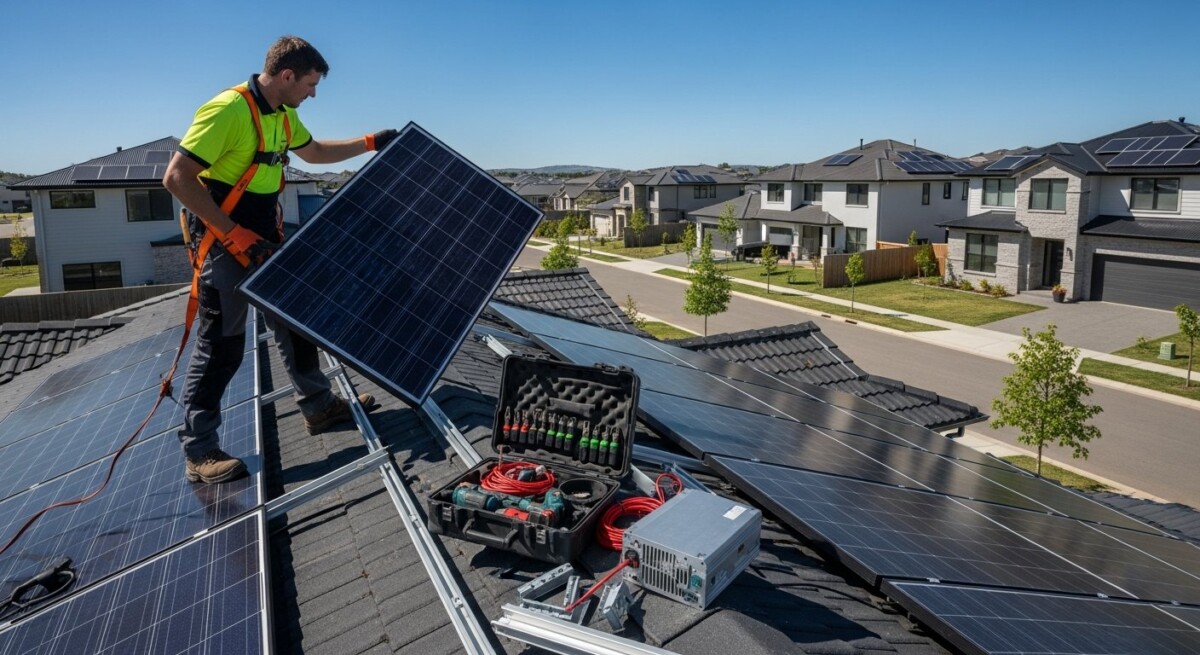
Every residential solar system consists of a few key parts: the solar panels that capture sunlight, an inverter that converts that energy into usable electricity for your home, a mounting system to secure everything to your roof, and sometimes a battery for energy storage. Choosing the right model and brand for each component is crucial for long-term performance.
Why It Matters for Homeowners
Getting your solar choice right has immediate and lasting impacts. A correctly sized system maximizes your financial return on investment by covering a significant portion of your energy bill from day one. It also protects you from future utility rate hikes, locking in a predictable cost for your power.
Beyond savings, the right system ensures safety and reliability. Properly matched components and professional installation prevent issues like electrical faults, roof leaks, or underperformance. It’s an upgrade that adds tangible value to your property while giving you peace of mind.
Ready to explore what solar can do for your home? Call us at 1-800-123-4567 for a free, no-obligation consultation and custom quote tailored to your home’s specific needs.
Common Issues and Their Causes
Many solar disappointments stem from a few common mistakes made during the selection process. Homeowners often face systems that don’t perform as promised, leading to frustration and longer payback periods.
The root causes usually involve poor planning or cutting corners. A system that’s too small won’t cover your energy needs, while an oversized system is an unnecessary upfront expense. Using low-quality components or an inexperienced installer can lead to frequent breakdowns and voided warranties.
- Underperformance: Caused by incorrect sizing, poor panel placement (shading, wrong angle), or low-efficiency components.
- Unexpected Costs: Arises from hidden fees, underestimating installation complexity, or choosing a system without available incentives.
- Component Failure: Often due to inferior-quality parts, improper installation, or incompatible system components.
How Professionals Design the Right System
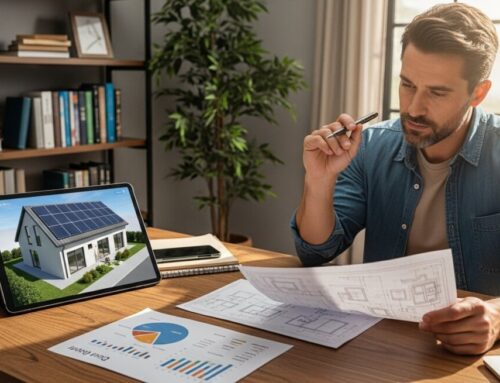
A reputable solar professional starts with a comprehensive home assessment. This isn’t a quick quote; it’s a detailed analysis of your past energy bills, roof structure, sun exposure, and local weather patterns. This data is used to model your home’s solar potential accurately.
The next step is designing a system blueprint. Experts calculate the optimal number of panels, the best inverter technology (like string or microinverters), and the ideal layout to avoid shading. They also handle all the permitting and paperwork, ensuring your system meets local building codes and utility requirements.
- Energy Analysis & Consultation: Review your usage and discuss your goals.
- Site Assessment: Evaluate your roof’s condition, angle, and sun exposure.
- System Design & Proposal: Create a custom plan with equipment options, production estimates, and financing.
- Installation & Inspection: Professionally install the system and manage all inspections and utility interconnection.
For a seamless installation experience from design to activation, contact our certified team at 1-800-123-4567. We handle every detail so you can simply enjoy the savings.
Signs You Should Not Ignore
If you already have solar, paying attention to its performance is key. A sudden drop in energy production is a major red flag. You can often spot this by comparing your monthly utility bills or checking your monitoring system’s data against expected output for the season.
Physical signs on your roof or equipment also warrant immediate attention. Don’t dismiss visible damage to panels, loose wiring, or error messages on your inverter display. These issues won’t fix themselves and can lead to bigger, more expensive problems.
- A significant, unexplained increase in your electric bill.
- Visible cracks, discoloration, or hot spots on solar panels.
- Inverter displaying fault codes or flashing warning lights.
- Water stains on ceilings underneath the roof-mounted system.
Cost Factors and What Affects Pricing
The total cost of a solar system is influenced by several factors. The system’s size, measured in kilowatts (kW), is the primary driver,more panels mean more power and a higher price. The quality and technology of the equipment also play a role; high-efficiency panels and advanced inverters cost more but often provide better long-term value.
Installation complexity is another key factor. A simple, ground-mounted system on flat land costs less than a complex roof installation with multiple angles or a steep pitch. Your location matters too, as labor rates, permitting fees, and available state incentives vary widely. Remember, the federal solar tax credit can reduce your net cost by 30%.
To get an accurate price for a system designed just for you, call 1-800-123-4567 today. We provide transparent, all-inclusive quotes with no hidden fees.
How To Choose the Right Professional or Service
Selecting your installer is as important as selecting your equipment. Always choose a licensed, bonded, and insured contractor with specific experience in solar. Don’t hesitate to ask for proof of credentials and a list of recent local installations you can verify.
Get multiple detailed quotes that break down equipment models, warranty terms, labor costs, and projected energy production. A trustworthy company will offer strong warranties on both the products and their workmanship. They should also be transparent about the timeline, process, and how they will handle maintenance after installation. For help with specific components, our guide on choosing the right solar panel plug adapter explains how proper connections ensure system safety and efficiency.
Long-Term Benefits for Your Home
The right solar system is a long-term investment that pays dividends for decades. Financially, you’ll lock in low, predictable energy costs for 25+ years, shielding yourself from rising utility rates. This leads to substantial savings over the system’s lifetime, often paying for itself multiple times over.
Beyond money, you gain energy security and increase your property value. Homes with solar typically sell faster and for more money. You’re also making a positive environmental impact, significantly reducing your household’s carbon footprint. It’s a upgrade that provides comfort, savings, and pride of ownership for years to come.
Frequently Asked Questions
How many solar panels do I need for my home?
It depends entirely on your energy usage, roof space, and local sunlight. A professional will analyze your past electricity bills (in kilowatt-hours) to calculate the system size needed to offset your consumption, typically between 5kW to 15kW for an average home.
What is the difference between a grid-tied and battery backup system?
A grid-tied system sends excess power to the utility grid (often for credit) but shuts off during a blackout for safety. A system with battery backup stores excess energy, allowing you to power essential items during an outage, providing true energy independence.
How long does a solar panel system last?
High-quality solar panels are typically guaranteed to produce at least 80% of their original output after 25 years. Inverters may need replacement once during the system’s life. The mounting hardware is designed to last for decades.
Will solar work on my shaded roof?
It depends on the severity and timing of the shade. Modern technologies like microinverters or power optimizers can mitigate shading issues on individual panels. A site assessment will determine if your roof is viable and what technology is best.
What maintenance does a solar system require?
Solar systems require very little maintenance. Occasional cleaning to remove heavy dirt or debris and an annual visual inspection are usually sufficient. Most systems include monitoring to alert you to any performance drops. For systems with batteries, understanding your storage is key; learn more in our resource on choosing the right solar panel battery charger.
How do I pay for a solar system?
Options include purchasing outright (highest long-term savings), solar loans (often with $0 down), or leasing/Power Purchase Agreements (PPA). Each has different implications for ownership, incentives, and savings.
What happens if I sell my house?
Studies show solar increases home value and appeal. You can transfer the system to the new homeowner, often resulting in a faster sale and a higher selling price, as they inherit the lower energy bills.
Are there rebates or tax credits available?
Yes. The federal Residential Clean Energy Credit offers a 30% tax credit on the total installed cost. Many states, municipalities, and utilities offer additional rebates or incentives, which your installer should help you identify.
Choosing the right solar system is a significant decision, but it doesn’t have to be a difficult one. By focusing on your home’s specific needs, selecting quality components, and partnering with a trusted professional, you can confidently invest in a clean energy future. The result is a reliable, money-saving upgrade that powers your home and your peace of mind for the long haul.