AI Solar Panel Design Software: 2026 Buyer Guide
Explore how AI solar panel design optimization software in 2026 boosts energy yield, cuts costs, and clarifies your solar investment.

By Dylan Harris
Learn more about Solar Panel Installation and Repair for guides, costs, and what to expect.
Compare Solar Panel Installation and Repair Pros Near You

Enter your ZIP code to compare top-rated local professionals and request free quotes.
The solar industry is undergoing a quiet revolution. While panel efficiency and battery storage often dominate headlines, the software used to design and optimize these systems is evolving at an equally rapid pace. In 2026, AI solar panel design optimization software has moved from a luxury to a necessity for installers and homeowners who want maximum return on investment. This specialized technology no longer just draws a layout; it predicts energy yield, models financial outcomes, and minimizes installation risks before a single panel is mounted. For anyone considering a photovoltaic system, understanding this software is the first step toward ensuring their array performs as promised, not just on paper, but on their roof.
The gap between a good solar installation and a great one often comes down to precision. Traditional design methods rely on manual calculations and generic assumptions, which can lead to undersized systems that fail to offset electricity bills or oversized ones that blow the budget. AI-powered platforms change this dynamic by processing hundreds of variables, including historical weather patterns, local utility rate structures, and microscopic shading analysis from nearby trees and chimneys. This level of detail transforms the design phase from a guessing game into a data-driven science.
Why AI Optimization Matters for Your Bottom Line
The financial case for using AI in solar design is compelling. When software analyzes every variable, it can recommend a system size that aligns perfectly with your consumption patterns. For example, instead of estimating your annual usage from a single utility bill, the software can review 12 months of hourly data to understand seasonal spikes, such as increased air conditioning use in Phoenix summers or electric heating in northern states. This analysis prevents the common mistake of undersizing, which leaves homeowners paying grid fees, or oversizing, which extends the payback period unnecessarily.
Beyond sizing, AI directly impacts the physical layout of panels on your roof. The software simulates performance across different orientations and tilts, factoring in how the sun's path changes throughout the year. In complex roof geometries with multiple facets, dormers, and valleys, the algorithm identifies the optimal placement for every module. It can even suggest different panel types for different sections of the roof, pairing high-efficiency models on shaded areas and standard models on sunny exposures. This granular approach maximizes kilowatt-hour production per square foot of roof space.
One of the most significant advantages of modern software is its ability to simulate financial outcomes with high accuracy. By integrating real-time data on net metering policies, time-of-use rates, and local incentive structures, the tool calculates your true payback period. It will show you exactly how much you save in the first year, in year ten, and over the system's 25-year lifespan. This is not a generic estimate; it is a projection based on your specific utility tariff and the system's predicted degradation rate.
For those researching options, this technology provides a clearer path forward. If you are evaluating whether to proceed with an installation, you can compare the software's output against your current energy costs. In our guide on AI solar services near me to save on energy bills, we explain how these digital tools translate directly into lower monthly expenses.
Key Features to Evaluate in 2026 Software
Not all design platforms are created equal. As you research AI solar panel design optimization software in 2026, there are specific capabilities that separate premium tools from basic CAD programs. You should look for platforms that offer a holistic simulation environment rather than just a drawing interface. The following features are critical for ensuring that the final design delivers the expected performance.
- Sub-Hourly Shading Analysis: Software that uses LiDAR data or 3D modeling to simulate shadows at 15-minute intervals throughout the year, not just at noon.
- Battery Storage Integration: The ability to model DC-coupled or AC-coupled storage systems to optimize self-consumption and backup power availability.
- Financial Modeling Engines: Built-in calculators that apply specific utility rate structures and incentive databases to generate cash flow projections.
- Equipment Compatibility Libraries: Up-to-date databases containing the electrical specifications for thousands of panels and inverters to ensure accurate string sizing.
- Automated Permitting Output: Generation of stamped, code-compliant electrical diagrams and single-line documents required by local authorities.
When evaluating these features, prioritize those that directly affect system yield. A tool that offers deep shading analysis is more valuable than one with a fancier user interface. Similarly, if you plan to add a battery later, selecting software that can model that expansion now will save you from redesign costs down the road.
The Shift Toward Intelligent Cloud Platforms
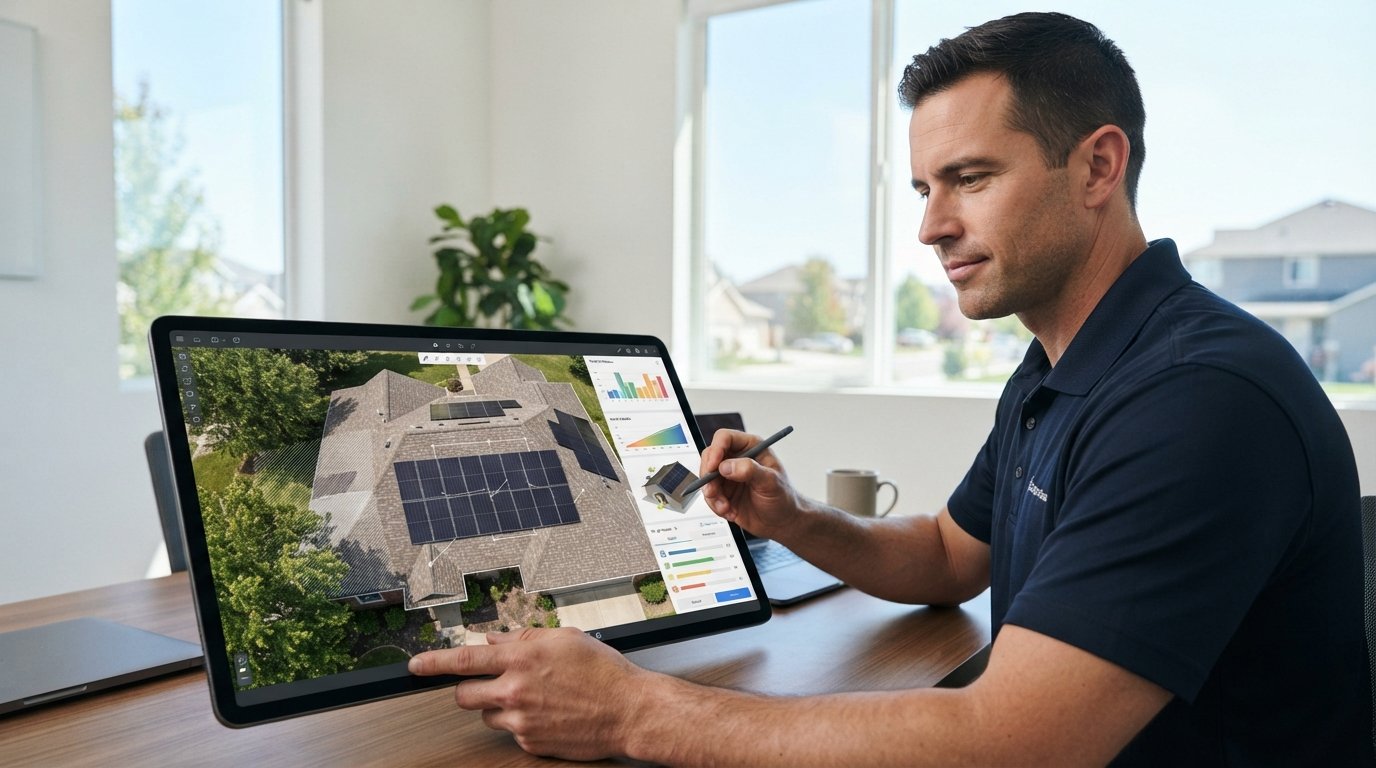
In 2026, the most advanced AI solar panel design optimization software is no longer installed locally on a laptop; it operates in the cloud. This shift offers substantial benefits for collaboration. A designer in a central office can share a live project link with a sales representative in the field. The rep can then walk a homeowner through the proposed layout on a tablet, making real-time adjustments to panel placement based on the homeowner's aesthetic preferences, all while the financial model updates instantly.
Cloud platforms also enable continuous improvement through machine learning. Every time a user completes a design and the system is installed, the software can compare its predicted yield against the actual production data from the inverter. This feedback loop allows the AI to refine its assumptions about weather patterns and system losses. Over time, the software becomes more accurate for specific geographic regions, benefiting all users in that area.
Furthermore, these platforms often feature application programming interfaces (APIs) that connect directly with monitoring hardware. This integration means that the design software is not a static tool but a living system. If a panel underperforms due to unexpected soiling or a micro-inverter failure, the software can flag the anomaly and suggest a maintenance schedule. This proactive approach ensures that your system continues to operate at peak efficiency throughout its lifespan.
Connecting Design Software to Qualified Installers
Access to high-end design software is not a substitute for professional installation expertise. The software provides the blueprint, but a certified electrician and structural engineer must execute the plan. When you receive a detailed AI-generated proposal, it is still essential to have it reviewed by a local professional who understands your specific roof type, building codes, and utility interconnection requirements.
Many consumers begin their journey by seeking a comparative quote to understand market rates. Platforms like FreeSolarPowerQuotes serve as a bridge, allowing homeowners to submit their energy profile and receive proposals from vetted contractors who utilize these advanced design tools. This process ensures that the AI-optimized layout is paired with hands-on expertise for the physical installation.
It is also wise to ask potential installers about the specific software they use. A reputable company will be transparent about their design process and should be able to show you a detailed 3D render of your property. They should explain why they chose a particular panel layout and how they accounted for potential shading issues. If an installer is unable to provide this level of detail, it is a red flag that they may be relying on outdated, rule-of-thumb methods.
Practical Steps for Homeowners
If you are ready to leverage AI solar panel design optimization software for your own home, there are concrete steps you can take to prepare. The quality of the output depends heavily on the quality of the input data you provide. Gathering the right information before consultation will streamline the process and lead to a more accurate design.
Start by collecting your electricity bills for the past 12 months. Look for your monthly kilowatt-hour usage, not just the dollar amount. Next, note any planned changes to your household, such as purchasing an electric vehicle or adding a heat pump, as these will increase your future energy demand. Finally, ensure you have clear information about your roof, including its age, material, and orientation. If possible, have a structural engineer assess its condition to confirm it can support the added weight of the panels.
Once you have this data, you can begin the consultation process. Most professional installers will use their software to generate a preliminary design within days. Review this proposal carefully. Ask to see the projected monthly production curve and compare it to your historical usage. This comparison will show you exactly when you will be producing excess energy and when you will need to draw from the grid.
As you review proposals, remember that the lowest upfront cost is not always the best deal. A slightly more expensive system that uses AI optimization to place a few extra panels on a south-facing slope could yield a much higher return over 25 years. Focus on the cost per kilowatt-hour produced over the system's lifetime, not just the cost per watt installed.
The Future of Solar Design Is Here
The adoption of AI in solar design is addressing the industry's biggest challenge: ensuring that every installation is a financial success. By eliminating guesswork and optimizing for real-world conditions, this software increases consumer confidence and accelerates the transition to renewable energy. It empowers homeowners with clear, data-backed projections and enables installers to work more efficiently.
As the technology continues to evolve, we can expect even tighter integration with smart home energy management systems. The design software of tomorrow might automatically adjust your EV charging schedule or pre-cool your home based on forecasted solar production. For now, the tools available in 2026 offer an unprecedented level of precision, making solar adoption a smarter, safer, and more profitable investment for American households.
Learn more about Solar Panel Installation and Repair for guides, costs, and what to expect.
Compare Solar Panel Installation and Repair Pros Near You
Enter your ZIP code to compare top-rated local professionals and request free quotes.