AI Solar Monitoring Explained: Maximize Your Home’s Savings
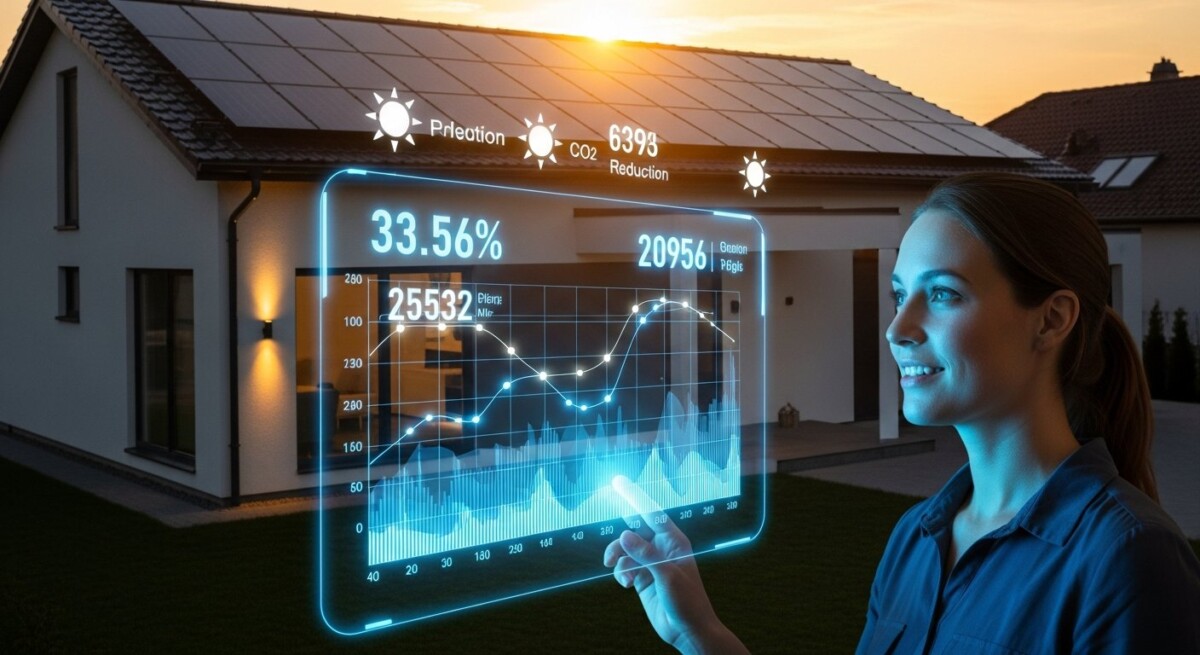
If you’ve watched your electricity bill climb year after year, you’re not alone. Many homeowners are searching for a reliable way to reduce their energy costs and gain independence from the unpredictable power grid. This search often leads to solar energy and a powerful new tool: AI solar monitoring. Understanding how this technology works is key to unlocking the full potential of your solar investment.
Understanding AI Solar Monitoring Explained
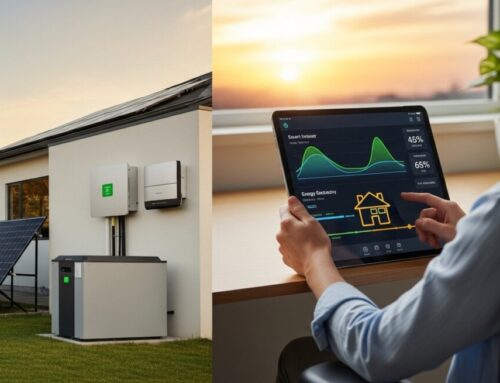
At its core, AI solar monitoring is a smart system that uses artificial intelligence to track, analyze, and optimize your solar panel performance. It goes far beyond simply telling you how much power you’re producing. Instead, it uses complex algorithms and machine learning to understand your home’s unique energy patterns.
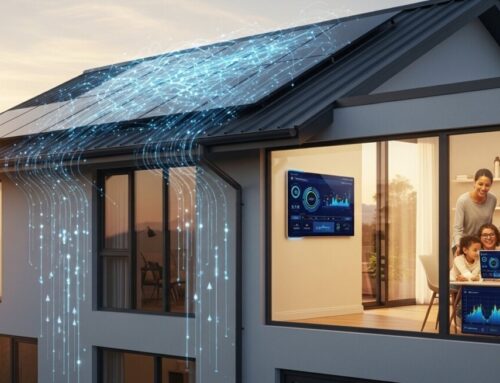
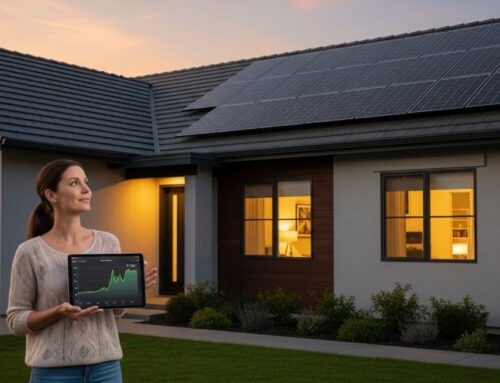
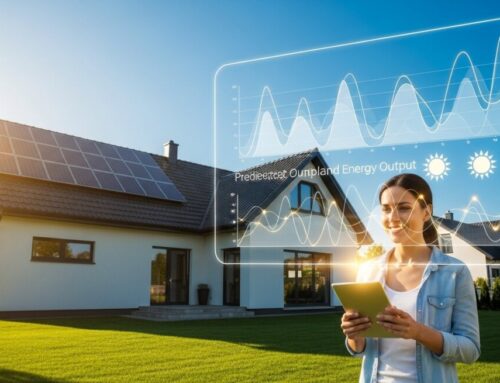
This technology works by collecting real-time data from sensors on your solar panels and your home’s electrical system. The AI then processes this information, comparing it to weather forecasts, historical performance, and your household’s consumption habits. It can identify tiny dips in efficiency that a human would likely miss, predict future energy production, and even provide actionable insights to help you save more.
For a deeper dive into how this compares to older methods, our guide on AI solar monitoring vs manual tracking explains the significant advantages in detail. The result is a system that doesn’t just report data,it actively helps you maximize your financial return and energy independence.
Why Solar Energy Is Becoming More Popular
Homeowners are turning to solar power for several compelling reasons. First and foremost are rising electricity prices, which make a fixed-cost solar system an attractive financial shield. Once your system is installed, a significant portion of your energy costs becomes predictable and immune to utility rate hikes.
Alongside financial motivation, there’s a growing desire to reduce environmental impact. Solar panels generate clean, renewable energy right from your roof, directly lowering your household’s carbon footprint. This combination of long-term savings and environmental stewardship makes solar a powerful choice for modern homeowners.
If you are considering solar power for your home, comparing installation quotes can help you understand your options. Request a free solar quote or call to learn more.
Common Questions Homeowners Have About Solar
It’s normal to have questions before making such a significant home improvement. Many people wonder about the upfront cost, which can be substantial. However, with federal tax credits, local rebates, and various financing options, solar has become more accessible than ever.
Other common concerns involve roof suitability and system performance. A reputable installer will conduct a thorough assessment to answer these questions definitively. They will evaluate your roof’s angle, material, shading, and structural integrity to design a system that works for your specific home.
- How much will a solar panel system really cost after incentives?
- Is my roof suitable for solar panels?
- What happens on cloudy days or at night?
- How long will the installation process take?
- Do solar panels require a lot of maintenance?
- Will solar panels increase my property value?
How Solar Panel Installation Works
The installation process is designed to be straightforward and managed by professionals from start to finish. It begins with a detailed consultation and energy assessment to understand your needs and goals. The installer will review your past electricity bills to size your system correctly.
Next, they handle all the complex paperwork, including system design, permits, and applications for local incentives. Once approved, the physical installation typically takes just a few days. The final step is connecting your system to the grid and activating your monitoring platform, putting you in control of your energy production.
- Home Energy Assessment & Consultation
- Custom System Design & Proposal
- Permitting & Utility Approvals
- Physical Panel & Inverter Installation
- Final Inspection & System Activation
Speaking with experienced installers can help you determine the best solar solution for your home. Compare solar quotes here or call to explore available options.
Signs Your Home May Be Ideal for Solar
While many homes are good candidates, some characteristics make a property particularly well-suited for solar. The most obvious is strong, unobstructed sunlight exposure on your roof for most of the day. South-facing roofs in the Northern Hemisphere typically receive the most sunlight.
Another key indicator is a high monthly electricity bill. The more you currently pay for power, the faster solar panels can pay for themselves through savings. If you plan to stay in your home for many years, you’ll have ample time to reap the long-term financial benefits.
- Your roof receives direct sunlight for 4-6+ hours daily.
- You have high or rising monthly electricity bills.
- Your roof is in good condition with adequate space.
- You plan to own your home for 5+ years.
- Your local utility has net metering or favorable solar policies.
- You live in an area with strong government solar incentives.
What Affects Solar Installation Costs
The final price of your solar system depends on several key factors. The system’s size, measured in kilowatts (kW), is the primary driver,larger systems for bigger homes cost more. The quality and efficiency of the equipment you choose, such as premium panels or micro-inverters, also influence the price.
Installation complexity matters too. A simple, single-story roof is easier to work on than a steep, multi-story one. Most importantly, local and federal incentives can dramatically reduce your net cost. The federal solar tax credit alone can cover 30% of your system cost, and many states and utilities offer additional rebates.
The cost of solar installation varies depending on your home and energy needs. Request personalized solar quotes or call to see what options are available.
Tips for Choosing a Reliable Solar Installer
Selecting the right installer is crucial for a smooth experience and optimal system performance. Look for a company with a strong track record, proper licensing, and insurance. They should be transparent about their process, equipment options, and warranty coverage.
Always read customer reviews and ask for references from recent projects. A trustworthy installer will provide a detailed, written proposal without high-pressure sales tactics. Most importantly, get quotes from at least three different companies to compare pricing, equipment, and service offerings.
- Verify licenses, insurance, and certifications (like NABCEP).
- Review years of experience and local project portfolios.
- Understand the warranties on both equipment and workmanship.
- Read independent customer reviews and ask for references.
- Ensure they handle all permitting and interconnection paperwork.
- Compare multiple detailed quotes before deciding.
Long-Term Benefits of Installing Solar Panels
The advantages of going solar extend far beyond the initial installation. The most immediate benefit is significantly lower electricity bills, often reducing them by 70-100%. Over 25+ years, these savings can amount to tens of thousands of dollars, providing an excellent return on investment.
Solar panels also increase your home’s market value and appeal to future buyers. You’ll gain energy independence, protecting yourself from rising utility rates. Perhaps most rewarding is the knowledge that you are actively reducing your environmental impact by generating clean, renewable energy every day.
How does AI solar monitoring save me money?
AI monitoring saves money by pinpointing inefficiencies you can’t see. It can detect underperforming panels, suggest optimal times to use major appliances, and even alert you to potential issues before they cause significant energy loss, ensuring your system always operates at peak savings.
What is the average payback period for solar panels?
The average payback period is typically between 6 to 10 years, depending on your location, energy usage, and available incentives. After this point, the electricity your system produces is essentially free, leading to decades of pure savings and protection from rate hikes.
Do I need a battery with my solar system?
While not required, a battery adds energy independence by storing excess power for use at night or during grid outages. If your utility has poor net metering policies or you experience frequent power outages, a battery can enhance your system’s value and resilience.
Can I install solar panels myself?
DIY installation is possible but not recommended for most homeowners. Professional installation ensures safety, proper system design, compliance with electrical codes, and the validity of equipment warranties. It also guarantees eligibility for crucial government incentives.
What happens if my panels produce more energy than I use?
Excess energy is sent back to the grid through a process called net metering. Your utility company will credit you for this power, often rolling over credits month-to-month. These credits offset the cost of power you draw from the grid at night or on cloudy days.
How do government incentives work for solar?
The federal government offers a tax credit that directly reduces your income tax liability. Many states and local utilities offer additional rebates or performance-based incentives. A qualified installer will help you identify and apply for all incentives you’re eligible for, lowering your final cost.
Investing in solar energy, enhanced by smart AI monitoring, is a powerful step toward financial predictability and environmental responsibility. By understanding your options and comparing quotes from reputable installers, you can make a confident decision that benefits your home, your wallet, and the planet for decades to come.