AI Solar Forecasting: Maximize Your Home Solar Savings
If you’ve watched your electricity bill climb month after month, you’re not alone. Many homeowners are searching for a reliable way to take control of their energy costs and reduce their dependence on the unpredictable power grid. This search often leads to solar panels, a powerful solution for long-term savings. To make solar energy even more efficient and predictable, a smart technology called AI solar forecasting is changing the game for modern solar systems.
Understanding AI Solar Forecasting
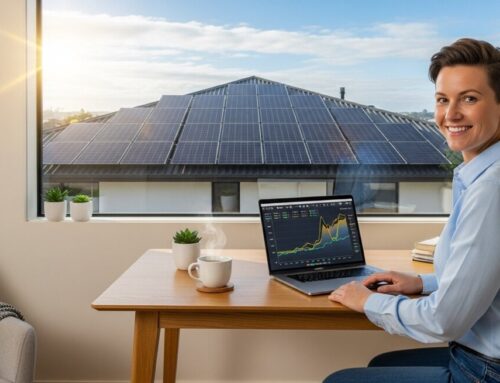
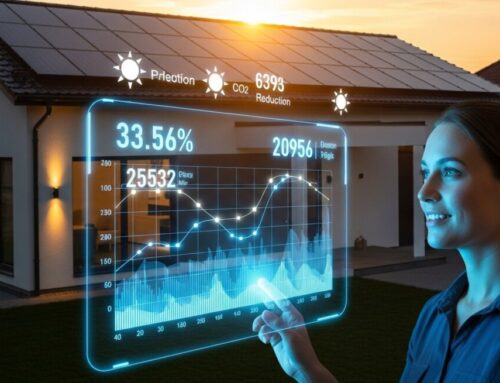
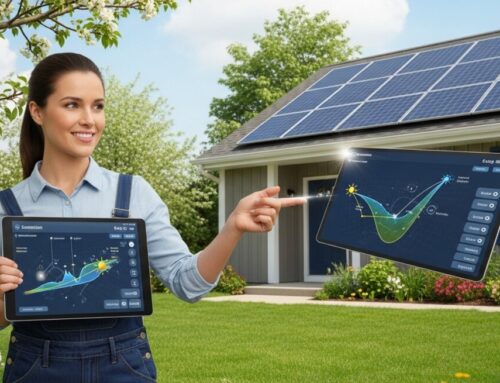
At its core, AI solar forecasting is a smart technology that predicts how much sunlight your solar panels will receive. It uses artificial intelligence (AI) to analyze vast amounts of data, much like a super-accurate weather app designed specifically for your rooftop. This allows your solar energy system to plan ahead and operate at its maximum potential.
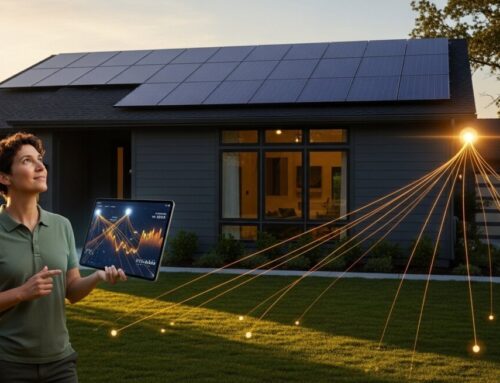
The AI examines historical weather patterns, real-time satellite cloud imagery, and even local data from other solar systems. It learns the unique conditions of your location, such as typical morning fog or afternoon shade from a tree. By predicting sunshine and cloud cover hours or days in advance, it helps optimize how your solar power is used or stored.
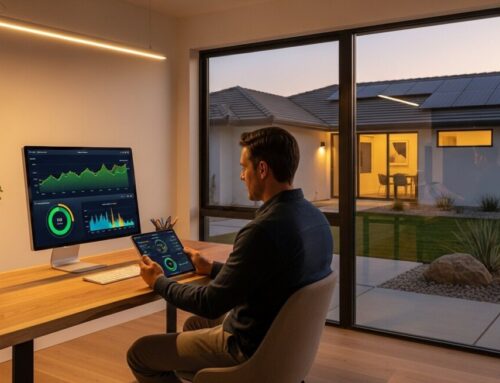
For homeowners, this means your solar system isn’t just reacting to the weather,it’s anticipating it. This intelligence helps you squeeze every possible kilowatt-hour of free energy from the sun, directly translating to lower bills and a more efficient home.
How Does It Differ from Basic Estimates?
Older solar systems relied on simple averages or basic weather reports. AI forecasting is far more precise and dynamic. It doesn’t just guess based on the season; it analyzes the moving clouds overhead right now and predicts their path. This level of detail ensures you get the most accurate picture of your solar production and energy savings.
Why Solar Energy Is Becoming More Popular
Homeowners are turning to solar power for several powerful, practical reasons. First and foremost are rising electricity prices. Utility rates have a history of increasing, making a fixed-cost solar system a smart financial shield against future hikes. Once your system is paid for, the fuel from the sun is free for decades.
Beyond the wallet, environmental concerns are a major driver. Generating clean, renewable energy from your roof significantly reduces your household’s carbon footprint. It’s a direct, tangible action you can take to combat climate pollution and contribute to a healthier planet for future generations.
The combination of long-term savings, increased energy independence, and strong environmental benefits creates a compelling case. With improved technology and supportive government incentives, solar power has moved from a niche alternative to a mainstream home upgrade for financially savvy and environmentally conscious homeowners.
If you are considering solar power for your home, comparing installation quotes can help you understand your options. Request a free solar quote or call to learn more.
Common Questions Homeowners Have About Solar
It’s normal to have questions before making a significant home investment like solar panels. Many wonder about the upfront cost, which can feel substantial. However, with federal tax credits, local rebates, and financing options, solar is more accessible than ever, and the long-term savings typically far outweigh the initial investment.
Another common concern is whether a home is suitable. You don’t need perfectly south-facing roof with zero shade to benefit. Professional installers can design a system that works efficiently with your home’s specific orientation and sun exposure. They perform detailed assessments to ensure your project makes financial sense.
- How much will a solar panel system really cost after incentives?
- Is my roof strong enough, and what happens if I need a new roof?
- Will solar panels work on cloudy days or in winter?
- How long will the installation process take?
- What kind of maintenance do solar panels require?
- How do batteries work with a solar system?
How Solar Panel Installation Works
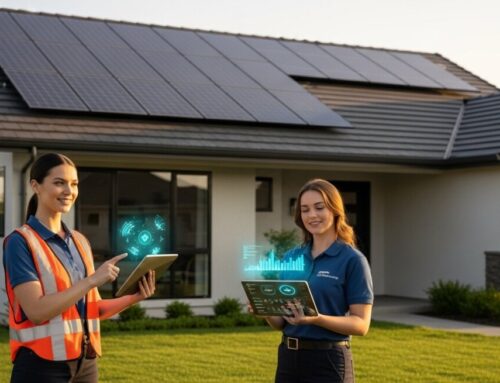
The solar installation process is a structured partnership between you and your chosen professional installer. It begins with a detailed evaluation of your home and energy usage. This ensures the system is tailored to your needs, not just a one-size-fits-all solution.
From there, the installer handles the heavy lifting. They design the system, obtain all necessary permits from your city, and schedule the installation. On installation day, a trained crew mounts the panels, sets up the inverter, and connects everything safely to your electrical panel.
- Home Energy Assessment & Consultation: Review your bills, assess your roof, and discuss goals.
- Custom System Design & Proposal: Receive a detailed plan showing system size, cost, savings, and equipment.
- Permits & Approvals: Your installer secures permits and applies for incentives on your behalf.
- Panel Installation: The physical installation of racking, panels, and electrical components.
- Inspections & Activation: The system is inspected by the city and utility, then turned on.
Speaking with experienced installers can help you determine the best solar solution for your home. Compare solar quotes here or call to explore available options.
Signs Your Home May Be Ideal for Solar
Certain home characteristics make solar panels an exceptionally good investment. The most obvious is strong, unobstructed sunlight on your roof for a good portion of the day. Even with some shade, modern systems can still be highly effective, but more sun generally means more production.
If you have high monthly electricity bills, solar can provide significant relief. The more you currently pay for power, the faster the solar system can pay for itself through savings. Homeowners who plan to stay in their homes for the long term get to enjoy the full benefit of decades of free energy after the system is paid off.
- Your roof is in good condition and receives direct sunlight for at least 5-6 hours a day.
- You pay more than $100-$150 per month on your electricity bill.
- You have a suitable, unshaded area on your roof, garage, or property.
- You plan to own your home for the next 7-10 years or more.
- Your local utility has net metering or other favorable solar policies.
- You are interested in increasing your home’s value and appeal.
What Affects Solar Installation Costs
The final price of your solar system depends on several key factors. The system’s size, measured in kilowatts (kW), is the primary driver,a larger system to offset a bigger bill costs more. The quality and efficiency of the equipment you choose, such as premium panels or microinverters, also influence the price.
Installation complexity matters too. A simple, single-story roof is easier to work on than a steep, multi-story tile roof. Most importantly, available government incentives dramatically reduce your net cost. The federal solar tax credit alone can cover 30% of the system cost, and many states and utilities offer additional rebates.
The cost of solar installation varies depending on your home and energy needs. Request personalized solar quotes or call to see what options are available.
Tips for Choosing a Reliable Solar Installer
Selecting the right installer is as important as choosing the right equipment. A trustworthy company ensures a smooth process, proper installation, and long-term support. Start by looking for installers with strong local experience and a solid track record of completed projects in your area.
Always check for proper licensing and insurance. Read customer reviews and ask for references to hear about others’ experiences. Most crucially, get detailed proposals from at least three different companies. This allows you to compare not just price, but also system design, equipment brands, warranty terms, and projected savings.
- Choose an installer with several years of experience and local knowledge.
- Verify they are properly licensed, bonded, and insured.
- Read independent reviews on sites like Google, Yelp, or the Better Business Bureau.
- Ask about the workmanship warranty in addition to the manufacturer’s equipment warranty.
- Get everything in writing, including production estimates, total costs, and timeline.
- Always compare multiple detailed quotes before making a decision.
Long-Term Benefits of Installing Solar Panels
The most immediate and compelling benefit is drastically lower electricity bills. By generating your own power, you buy less from the utility, locking in a lower, predictable energy cost for 25 years or more. This protection from rising rates can lead to tens of thousands of dollars in savings over the system’s life.
Solar panels also increase your property value. Studies consistently show homes with solar sell for more than comparable homes without. Beyond finances, you gain greater energy independence and resilience. With the addition of a battery, you can keep your lights on during grid outages, providing peace of mind and security for your family.
How Accurate Is AI Solar Forecasting?
AI solar forecasting is significantly more accurate than traditional methods. By analyzing complex, real-time data, it can predict solar output with high precision, allowing for better energy management and maximizing the financial return from your system.
Do Solar Panels Work in Cloudy or Cold Weather?
Yes, solar panels generate electricity even on cloudy days, though at a reduced rate. They actually operate more efficiently in cooler temperatures, so winter can be a productive season as long as the panels are clear of snow and ice.
What Is the Federal Solar Tax Credit?
The federal solar tax credit (ITC) allows you to deduct 30% of the cost of installing a solar system from your federal taxes. This is a direct dollar-for-dollar credit, significantly reducing the net cost of going solar.
How Long Do Solar Panels Last?
Most high-quality solar panels come with a 25-year performance warranty, guaranteeing they will still produce at least 80-85% of their original output at that time. The system itself can often continue producing electricity for decades beyond that.
What Is Net Metering?
Net metering is a utility billing arrangement. When your solar panels produce more electricity than you use, the excess is sent to the grid, and your meter runs backward. You receive credits for this power, which offset electricity you draw from the grid at night or on cloudy days.
Can I Install Solar Panels Myself?
While DIY kits exist, professional installation is strongly recommended. Installers ensure the system is safe, meets all electrical and building codes, is eligible for incentives, and is properly permitted and interconnected with your utility.
Will Solar Panels Damage My Roof?
Professional installers use mounting systems designed to protect your roof’s integrity. In fact, the panels often shield the covered portion of your roof from weather. A reputable installer will inspect your roof first and recommend any repairs needed before installation.
What Happens to Solar Power at Night?
At night, your system stops producing power. Your home automatically draws electricity from the utility grid, using up the credits you earned during the sunny day through net metering. For full nighttime independence, a solar battery storage system can be added to store excess daytime energy.
Exploring solar energy for your home is a smart step toward financial savings and energy independence. By understanding technologies like AI forecasting and the installation process, you can make a confident, informed decision. The best way to start is to gather personalized information from qualified local professionals. Take the next step today by comparing detailed solar quotes to see exactly how much you could save.