AI Solar Fault Detection: Maximize Your Solar Savings
If you’re a homeowner, you’ve likely watched your electricity bills climb higher each year. This frustrating trend is leading many to explore solar energy as a smart, long-term solution. By generating your own clean power, you can significantly reduce your monthly bills and become less dependent on the unpredictable grid. A key technology ensuring your investment performs flawlessly is AI solar fault detection, a modern approach to system monitoring.
Understanding AI Solar Fault Detection
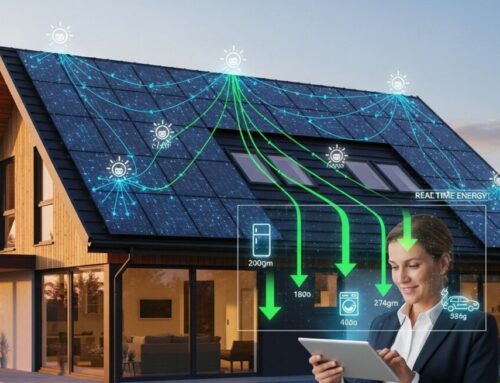
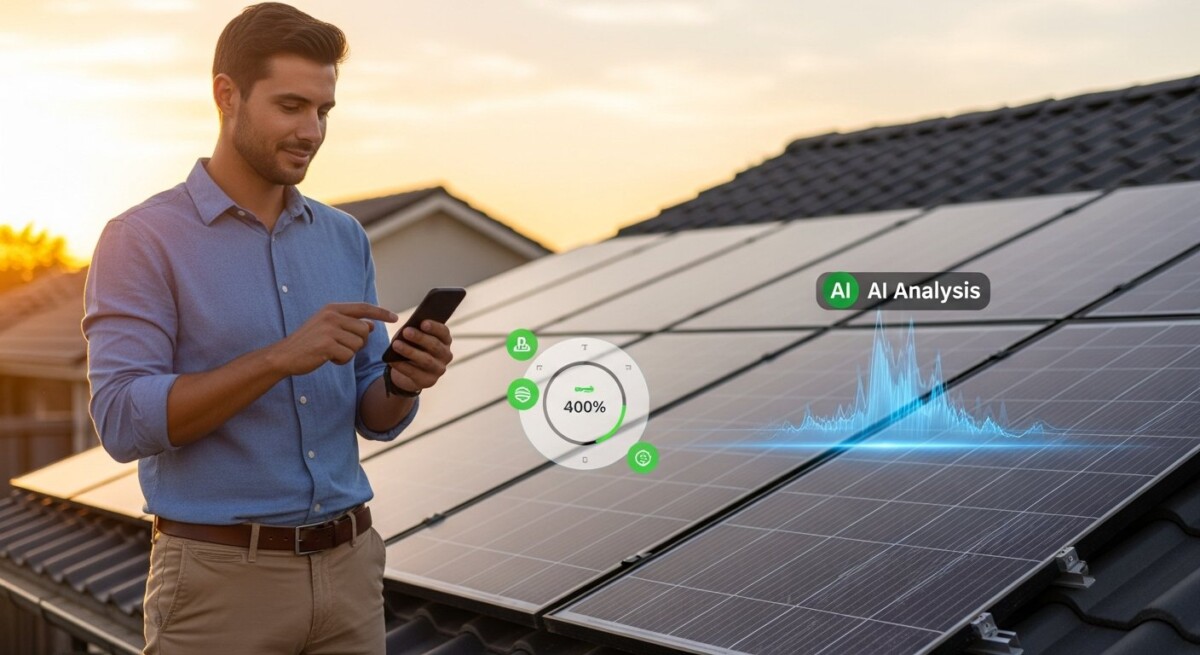
AI solar fault detection is an intelligent monitoring system for your solar panel installation. It uses artificial intelligence and machine learning to constantly analyze your system’s performance data. Instead of just telling you your power output is low, it can diagnose the specific reason why.
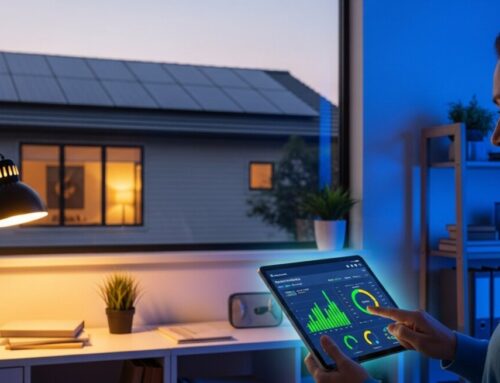
This technology works by comparing your system’s real-time performance against a vast database of known patterns. It can identify issues like a single underperforming panel, a faulty inverter, or even shading from a newly grown tree branch. This proactive monitoring happens 24/7, often through a simple app on your phone.
For homeowners, this means peace of mind. Your solar investment is protected by a digital watchdog that never sleeps. It ensures you get every kilowatt-hour of energy you paid for, maximizing your financial return and system longevity.
Why Solar Energy Is Becoming More Popular
Homeowners are turning to solar power for several powerful reasons. First and foremost are the substantial savings on electricity costs. Once your system is installed, the fuel,sunlight,is completely free, shielding you from future utility rate hikes.
Beyond the wallet, environmental concerns are a major driver. Solar energy allows you to directly reduce your household’s carbon footprint. It’s a tangible step towards cleaner air and a more sustainable future for your community.
The long-term financial picture is also compelling. With available federal tax credits and local rebates, the upfront cost is more manageable than ever. Combined with decades of low energy bills, solar is widely seen as a sound home investment that increases property value.
If you are considering solar power for your home, comparing installation quotes can help you understand your options. Request a free solar quote or call to learn more.
Common Questions Homeowners Have About Solar
It’s normal to have questions before making a significant home upgrade like solar. The initial cost is a common concern, but financing options and incentives have made solar accessible for many budgets. A professional installer can provide a clear picture of your payback period and long-term savings.
Many wonder if their roof is suitable. Installers will assess your roof’s angle, material, and sun exposure. Even roofs that aren’t perfectly south-facing can often host an efficient system. For more detailed strategies on optimizing your setup, our guide on how to use solar panels effectively covers best practices.
Performance and maintenance are other frequent topics. Modern systems are incredibly durable and require minimal upkeep. With technologies like AI fault detection, you’re alerted to any issues long before they impact your savings.
- How much will a solar panel system really cost?
- Is my roof strong enough and does it get enough sun?
- What happens on cloudy days or at night?
- How long will the installation process take?
- Will I still have an electricity bill?
- What maintenance is required?
How Solar Panel Installation Works
The solar installation process is designed to be straightforward and managed by professionals. It begins with a detailed consultation to understand your energy goals and evaluate your home. This ensures the system is tailored to your specific needs and local conditions.
Your installer handles all the complex steps, from design and permits to the physical installation and final inspection. They coordinate with your local utility to ensure a safe connection to the grid. Your role is primarily to ask questions and make informed choices.
- Home Energy Assessment: Review of your past bills and a site evaluation.
- System Design & Proposal: A custom plan showing system size, cost, and savings.
- Permits & Approvals: Your installer secures all necessary local permits and utility agreements.
- Panel Installation: The physical mounting of panels, inverters, and wiring.
- Inspections & Activation: Final checks by the city and utility before your system is turned on.
Speaking with experienced installers can help you determine the best solar solution for your home. Compare solar quotes here or call to explore available options.
Signs Your Home May Be Ideal for Solar
Certain home characteristics make solar panels particularly advantageous. The most obvious is having a roof with strong, unobstructed sunlight for most of the day. South-facing roofs are ideal, but east and west-facing roofs can also be excellent producers.
If you have high monthly electricity bills, solar can offer dramatic savings. The more you currently pay for power, the faster your solar investment typically pays for itself. Homeowners planning to stay in their homes for several years are perfectly positioned to reap the full financial benefits.
- Your roof is in good condition and receives direct sunlight for 4+ hours daily.
- You pay more than $100 per month in electricity costs.
- You have a suitable amount of unshaded roof space.
- You plan to own your home for 5+ years.
- Your state or utility offers favorable net metering policies.
- You are interested in reducing your environmental impact.
What Affects Solar Installation Costs
The final price of your solar system depends on a few key factors. The system’s size, measured in kilowatts (kW), is the primary driver,larger systems for bigger homes cost more. The quality and efficiency of the panels and inverters you choose also influence the price.
Installation complexity matters too. A simple, ground-mounted system may cost less than one on a steep, multi-angle roof. Critically, available incentives dramatically reduce net cost. The federal solar tax credit can cover 30% of your system cost, and many states and utilities add additional rebates.
The cost of solar installation varies depending on your home and energy needs. Request personalized solar quotes or call to see what options are available.
Tips for Choosing a Reliable Solar Installer
Selecting the right installer is crucial for a smooth experience and optimal system performance. Look for a company with strong local experience and a track record of successful installations in your area. They should understand local weather patterns, building codes, and utility requirements.
Always review the warranties offered, not just on the equipment, but on the workmanship itself. A reputable installer will provide clear, comprehensive warranties. Don’t hesitate to ask for and contact references from past customers.
- Choose an installer with several years of experience and proper licensing/insurance.
- Review the full warranty coverage for equipment, performance, and labor.
- Read verified customer reviews and ask for local references.
- Ensure they provide a detailed, written proposal with no hidden fees.
- Compare multiple detailed quotes to ensure competitive pricing and scope.
Long-Term Benefits of Installing Solar Panels
The most immediate and ongoing benefit is dramatically lower electricity bills. You’ll lock in a predictable energy cost for decades, while protecting yourself from rising utility rates. Over 20-30 years, these savings can amount to tens of thousands of dollars.
Solar panels also increase your home’s market value and appeal to future buyers. Studies consistently show homes with solar sell faster and for a premium. Furthermore, you gain a measure of energy independence, making your household more resilient during grid outages if you pair your system with a battery.
Finally, the environmental benefit is profound. By choosing solar, you are directly reducing greenhouse gas emissions and air pollution. It’s a legacy of cleaner energy for your family and community that lasts for the lifetime of the system.
How much can I really save with solar panels?
Savings depend on your local electricity rates, system size, and sun exposure. Many homeowners save 50-100% on their monthly electric bills. Over 25 years, total savings often exceed the initial system cost several times over, especially when you factor in rising utility rates.
Do solar panels work in cloudy or cold climates?
Yes, solar panels generate electricity even on cloudy days, though at a reduced output. They actually operate more efficiently in cooler temperatures. Many regions with less-than-perfect sun, like the Northeast, have strong solar adoption due to high electricity costs.
What is the average payback period for a solar system?
The average payback period in the U.S. is typically between 6 to 10 years. This timeframe is influenced by your upfront cost after incentives, your local electricity rates, and how much sun your roof gets. After the payback period, your electricity is essentially free for the rest of the system’s life.
Will I need to replace my roof before installing solar?
If your roof is near the end of its lifespan (within 10-15 years), it’s usually recommended to replace it first. Solar panels can last 25-30 years, and removing them for a roof replacement adds significant cost. Your installer will assess your roof’s condition during the initial consultation.
What happens to solar panels at night?
Solar panels do not produce energy at night. However, most homes remain connected to the utility grid. You’ll draw power from the grid at night and earn credits for excess power you send to the grid during the day, a process called net metering.
Can I add a battery to my solar system?
Absolutely. Adding a battery storage system allows you to store excess solar energy produced during the day for use at night or during a power outage. This can increase your energy independence and resilience, though it adds to the initial system cost.
Investing in solar energy is a significant decision that offers compelling financial, practical, and environmental rewards for homeowners. By understanding the technology, the process, and the long-term benefits, you can make a confident choice. The best next step is to gather information specific to your home. Comparing detailed quotes from reputable, local installers is the most effective way to see your potential savings and start your journey toward energy independence.