AI Solar Energy Tools Help Homeowners Save on Electricity
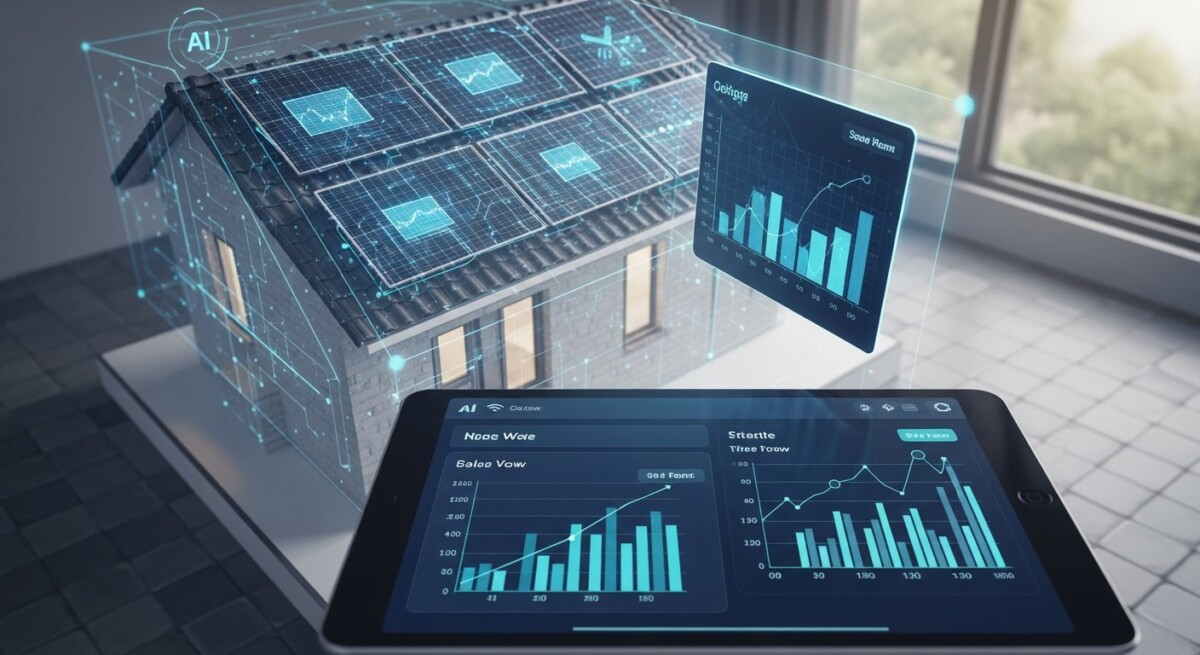
Have you opened your electricity bill recently and felt a jolt of surprise? You’re not alone. Rising energy costs are pushing more homeowners to look for smart, long-term solutions. Many are turning to solar power to reduce their monthly bills and gain energy independence. In this search, modern AI solar energy tools for homeowners are becoming invaluable guides, making the process clearer and more accessible than ever.
Understanding AI Solar Energy Tools for Homeowners
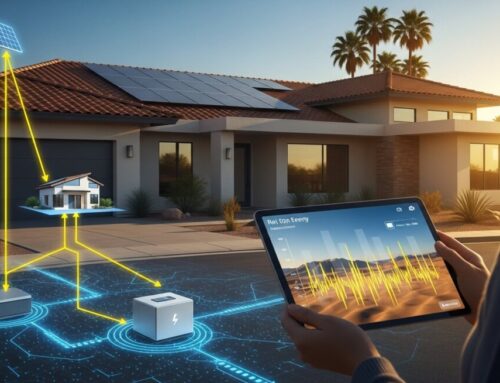
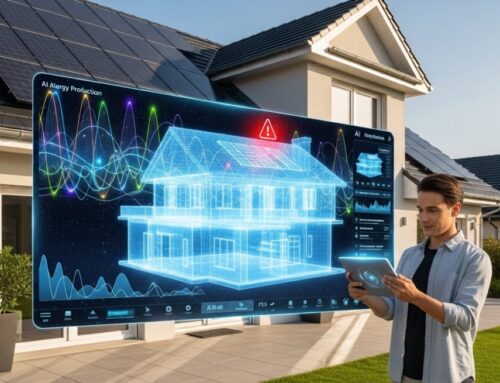
AI solar energy tools are smart software applications designed to simplify your solar journey. They use artificial intelligence and vast datasets to analyze your specific situation. These tools can provide personalized estimates for system size, cost, and potential savings without you needing to be an expert.
They work by asking for basic information like your address, average electric bill, and roof details. The AI then cross-references this with local weather patterns, utility rates, and solar incentives. The result is a clear, data-driven picture of what solar could do for your home, helping you make informed decisions from the very start.
Why Solar Energy Is Becoming More Popular
The shift to solar power is driven by a powerful combination of financial and environmental factors. First, electricity prices continue to climb unpredictably, making a fixed-cost solar system an attractive shield against future hikes. Homeowners are seeking stability and control over their largest utility expense.
Alongside saving money, there’s a growing desire to reduce our environmental footprint. Solar panels generate clean, renewable energy right from your rooftop. This move towards energy independence not only benefits the planet but also provides peace of mind during grid outages or extreme weather events.
If you are considering solar power for your home, comparing installation quotes can help you understand your options. Request a free solar quote or call to learn more.
Common Questions Homeowners Have About Solar
It’s normal to have questions when considering a significant home upgrade like solar. The initial investment is often the biggest concern, but it’s crucial to view it through the lens of long-term savings and available financing. Many wonder if their roof is suitable or if they’ll still have power when the sun isn’t shining.
Professional installers excel at answering these questions and designing a system that fits your unique home and goals. They help you navigate the process, from understanding how net metering works with your utility to ensuring your system includes battery backup if desired. Getting clear answers upfront is key to a confident decision.
- How much do solar panels cost, and what financing is available?
- Is my roof strong enough and does it get enough sun?
- What happens to my power at night or on cloudy days?
- How long will the installation process take?
- Are there tax credits or rebates I can use?
- Will solar panels increase my property value?
How Solar Panel Installation Works
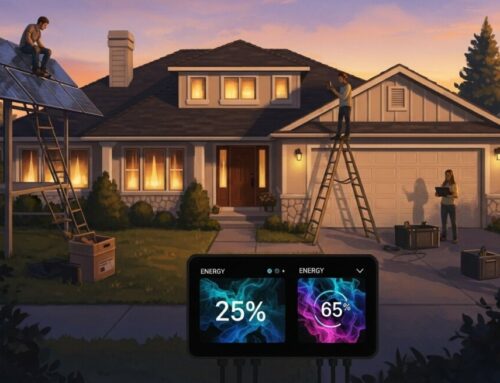
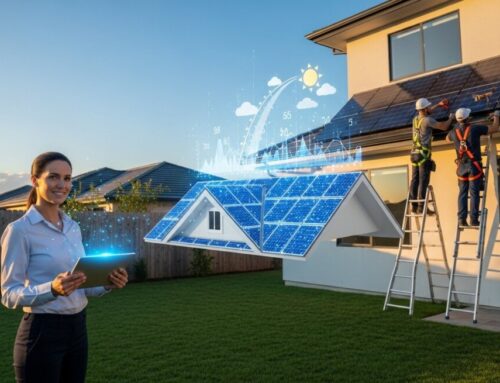
The installation process is a coordinated series of steps managed by your chosen professional. It begins with a detailed consultation and site assessment to gather all necessary information. The installer then designs a custom system, handles all the permits, and schedules the installation.
On installation day, a trained crew will mount the racking, place the panels, and connect the electrical components. After a final inspection by your local authority, the system is activated. You can start generating your own clean power, often in a matter of weeks from your initial decision. For a deeper look at the financial side, our guide on understanding solar energy quotes breaks down what to look for in your estimates.
- Initial Home Energy Assessment & Consultation
- Custom System Design & Engineering
- Permitting & Utility Approvals
- Physical Panel & Inverter Installation
- Final Inspections & System Activation
Speaking with experienced installers can help you determine the best solar solution for your home. Compare solar quotes here or call to explore available options.
Signs Your Home May Be Ideal for Solar
Certain home characteristics make solar panels particularly effective and financially rewarding. The most obvious is a roof that gets strong, unobstructed sunlight for most of the day, typically facing south, east, or west. Homes with higher-than-average electricity bills often see the fastest return on investment.
If you plan to stay in your home for several years, you’ll have more time to enjoy the savings that offset the initial cost. A roof in good condition with ample space is also a major plus. Even if your situation isn’t perfect, a professional can often find a workable solution.
- Your roof receives direct sunlight for 4-6+ hours daily.
- You have consistently high monthly electricity bills.
- Your roof is in good condition and has sufficient space.
- You plan to own your home for 5-10+ years.
- Your local utility has favorable net metering policies.
- You live in an area with strong state or local solar incentives.
What Affects Solar Installation Costs
The final price of your solar system depends on several key factors. The size of the system, measured in kilowatts (kW), is the primary driver,it’s based on how much electricity you need to offset. The quality and efficiency of the panels and inverters you choose also influence the cost.
Installation complexity, like a steep or multi-level roof, can affect labor costs. Most importantly, federal, state, and local incentives can significantly reduce your net price. A trustworthy installer will provide a transparent quote that details all these elements and the available savings. Understanding how we use solar energy daily can help you appreciate the system’s long-term value beyond just the upfront cost.
The cost of solar installation varies depending on your home and energy needs. Request personalized solar quotes or call to see what options are available.
Tips for Choosing a Reliable Solar Installer
Selecting the right installer is as important as choosing the right system. Look for a company with a strong track record, proper licensing, and positive customer reviews. They should offer robust warranties on both the equipment and their workmanship.
Never settle for the first quote you receive. Comparing multiple detailed proposals is the best way to ensure you get a fair price and a system tailored to you. A good installer will act as a guide, not a salesperson, and will patiently answer all your questions.
- Verify licenses, insurance, and certifications (like NABCEP).
- Read customer reviews and ask for local references.
- Compare the equipment warranties and installer workmanship guarantees.
- Get and compare at least 3 detailed written quotes.
- Ensure they handle the entire process, including permits and inspections.
- Choose a company that feels trustworthy and communicates clearly.
Long-Term Benefits of Installing Solar Panels
The most immediate benefit is slashing your monthly electric bill, often by 50% to 100%. Over 20-30 years, this adds up to tens of thousands of dollars in savings, effectively paying for the system many times over. Solar panels are also a proven home improvement that increases property value.
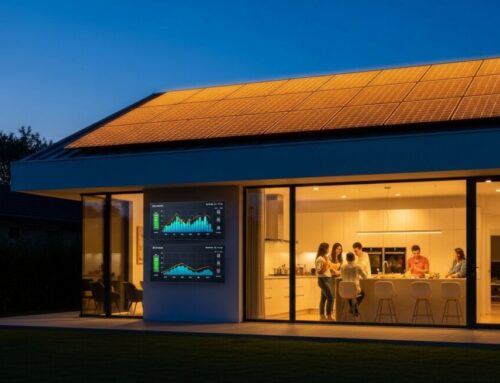
Beyond finances, you gain a degree of energy independence and contribute directly to a cleaner environment by reducing fossil fuel reliance. With the addition of a battery, your home can maintain power during outages. It’s an investment that pays dividends for your wallet, your home resilience, and the planet.
How much can I really save with solar panels?
Savings depend on your electricity usage, local sun exposure, and utility rates. Most homeowners save between $20,000 and $70,000 over the system’s lifetime. AI tools and professional quotes can give you a highly accurate projection based on your specific home data.
What is the federal solar tax credit?
The federal Investment Tax Credit (ITC) allows you to deduct 30% of your solar system’s cost from your federal taxes. This is a direct dollar-for-dollar reduction of your tax liability, making solar significantly more affordable. There is no upper limit on the credit amount.
Do I need a new roof before going solar?
It’s highly recommended. Solar panels last 25+ years, so your roof should be in good condition for a similar timeframe. If your roof is near the end of its life, replacing it before installation avoids the costly step of removing and reinstalling the panels later.
How long does a solar panel system last?
High-quality solar panels typically come with a 25-year power production warranty and can last much longer. Inverters may need replacement once during the system’s life. The system requires minimal maintenance, usually just occasional cleaning and an annual check.
What happens if I sell my house with solar panels?
Studies show solar panels increase home value and can make your property sell faster. Be prepared to educate potential buyers on the system’s benefits and transfer any remaining warranties. A owned system (not leased) is the most straightforward for home sales.
Can I go off-grid with solar panels?
Going completely off-grid is possible but requires a very large solar array and substantial battery storage, which increases cost significantly. Most homeowners choose a grid-tied system with a small battery for backup, enjoying the best of both worlds: savings and security.
Exploring solar energy for your home is a smart step toward financial predictability and sustainable living. By leveraging modern AI tools for initial research and then consulting with reputable professionals, you can make a decision with confidence. The best next step is to gather personalized information,starting by comparing a few detailed quotes is the most practical way to see what solar can do for you.