AI Solar Energy for Smart Homes: Save Money and Gain Energy Independence
Discover how AI solar energy for smart homes can reduce your electricity bills and increase energy independence. A practical guide for homeowners.

By Mason Carter
Learn more about Solar Panel Installation and Repair for guides, costs, and what to expect.
Compare Solar Panel Installation and Repair Pros Near You

Enter your ZIP code to compare top-rated local professionals and request free quotes.
Have you opened your electricity bill recently and felt a jolt of surprise? You’re not alone. Rising energy costs are prompting more homeowners than ever to search for a smarter solution. Many are discovering that combining solar panels with artificial intelligence (AI) offers a powerful way to reduce monthly bills and become less dependent on the unpredictable power grid. This modern approach, known as AI solar energy for smart homes, is transforming how we power our lives.
Understanding AI Solar Energy for Smart Homes
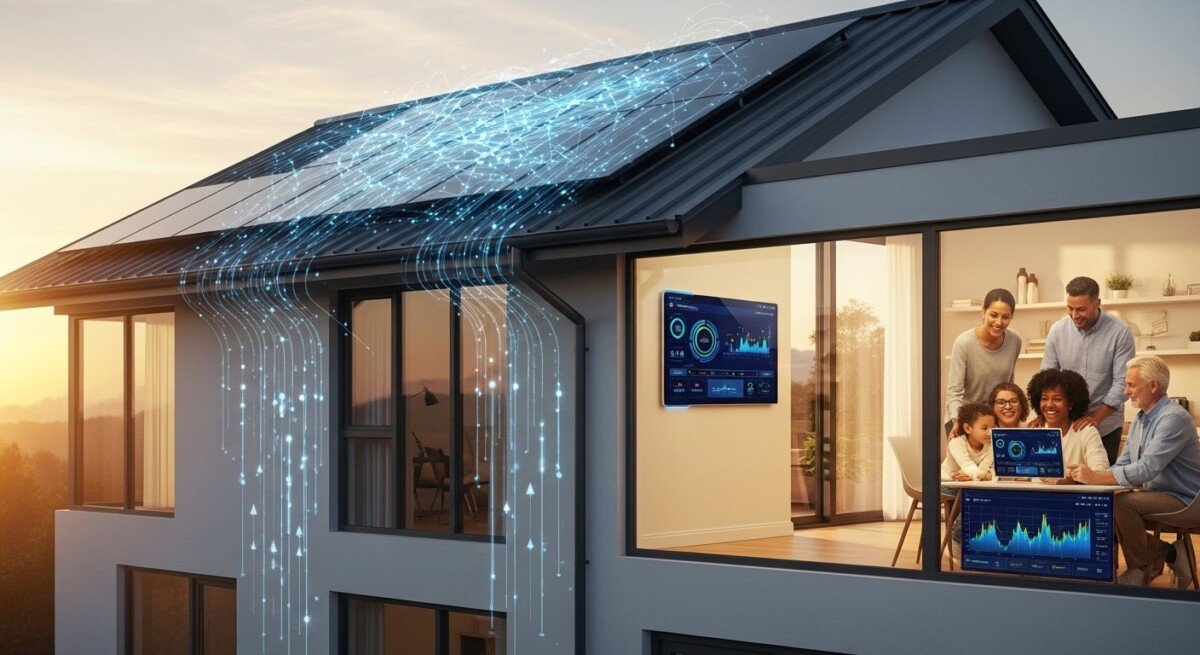
At its core, AI solar energy for smart homes is about making your solar power system intelligent. It’s not just about panels on your roof generating electricity. It’s about a system that learns, predicts, and optimizes your energy use automatically.
This technology uses software and smart devices to monitor your energy production and consumption in real-time. The AI analyzes patterns in your household’s behavior, weather forecasts, and utility rate schedules. It then makes smart decisions, like when to store excess energy in a battery or when to use appliances for maximum savings.
More homeowners are considering it because it takes the guesswork out of solar. Instead of just generating power, you’re actively managing it to get the best financial and practical return on your investment.
Why Solar Energy Is Becoming More Popular
The shift to solar power is driven by a powerful combination of financial and environmental factors. For most families, the primary motivator is the desire for predictable, lower energy costs. With solar, you can lock in a significant portion of your electricity rate for decades, shielding yourself from rising utility prices.
Alongside savings, there’s a growing awareness of our environmental impact. Homeowners want to reduce their carbon footprint and contribute to a cleaner future. Solar energy provides a direct, tangible way to power your home with renewable energy, right from your own roof.
Finally, long-term savings are undeniable. While there is an upfront cost, solar panels are a durable investment that pays for itself over time. The combination of slashed electric bills, increased home value, and available government incentives makes the long-term financial picture very compelling.
If you are considering solar power for your home, comparing installation quotes can help you understand your options. Request a free solar quote or call to learn more.
Common Questions Homeowners Have About Solar
It’s normal to have questions before making a significant home upgrade. The initial cost is often the biggest concern, but it’s crucial to view it as a long-term investment with financing options and incentives that make it accessible. Many are also surprised to learn how solar can work in various climates, not just perpetually sunny ones.
Another common worry is whether a home is suitable. Professional installers conduct detailed assessments to evaluate your roof’s condition, angle, and sun exposure. They can tell you if your home is a good candidate and design a system that maximizes your unique situation.
- How much do solar panels cost, and are there financing options?
- Is my roof suitable for solar panels?
- What happens on cloudy days or at night?
- How long will the installation process take?
- Will solar panels increase my property value?
- What maintenance is required for a solar system?
How Solar Panel Installation Works
The installation process is handled by professionals from start to finish, making it a smooth experience for you. It begins with a comprehensive consultation where an expert evaluates your energy needs and your home’s solar potential. This ensures the system is tailored perfectly for you.
Once you approve the design, the installer manages all the necessary permits and paperwork with your local authorities and utility company. The physical installation is typically quick, followed by inspections and finally, the exciting moment your system is activated and starts saving you money.
- Home Energy Assessment & Consultation: A specialist reviews your bills and inspects your roof.
- Custom System Design: A solar plan is created specifically for your home and goals.
- Permits & Approvals: Your installer handles all local permits and utility interconnection agreements.
- Panel & Equipment Installation: The racking, panels, inverter, and other components are installed.
- Final Inspections & Activation: The system is inspected and then turned on, often called “going live.”
Speaking with experienced installers can help you determine the best solar solution for your home. Compare solar quotes here or call to explore available options.
Signs Your Home May Be Ideal for Solar
Certain home characteristics make solar panels particularly effective and financially rewarding. The most obvious is having a roof that gets strong, unobstructed sunlight for most of the day, typically facing south, east, or west. Shade from large trees or other buildings can impact production, but a good installer will account for this.
Your current energy usage is also a key indicator. If you have consistently high electricity bills, you have more potential savings to capture with solar. The system can be sized to cover a significant portion, if not all, of your usage.
- A roof with good southern, eastern, or western exposure.
- High monthly electricity bills.
- Ample, unshaded roof space.
- Plans to stay in your home for 5+ years to reap the long-term benefits.
- A roof in good condition or one that will soon need replacement.
- A desire for energy security and independence from the grid.
What Affects Solar Installation Costs
The total cost of a solar energy system depends on several key factors. The size of the system, measured in kilowatts (kW), is the biggest driver,larger systems that cover more of your energy needs will cost more upfront but also deliver greater savings. The quality and efficiency of the equipment you choose, like panels and inverters, also influence the price.
Installation complexity matters too. A simple, single-story roof is easier to work on than a multi-story home with a steep pitch. Most importantly, you must factor in available financial incentives. The federal solar tax credit, along with state and local rebates, can significantly reduce your net cost. For a clear picture of potential savings, using a tool like our solar production calculator can provide valuable estimates based on your location and roof details.
The cost of solar installation varies depending on your home and energy needs. Request personalized solar quotes or call to see what options are available.
Tips for Choosing a Reliable Solar Installer
Selecting the right installer is as important as choosing the right equipment. A reputable company will guide you through the entire process, ensure proper installation, and honor warranties for years to come. They are your partner in achieving energy independence.
Always get multiple detailed quotes to compare pricing, equipment brands, and projected savings. Don’t just choose the lowest bid; consider the company’s reputation, experience, and the quality of their customer service.
- Check for proper licensing, insurance, and certifications (like NABCEP).
- Read customer reviews and ask for local references.
- Compare warranties on both equipment and workmanship.
- Ensure they handle the entire process, including permits and utility paperwork.
- Get everything in writing, including system size, equipment models, cost, and projected production.
Long-Term Benefits of Installing Solar Panels
The advantages of going solar extend far beyond the first month’s lower bill. Financially, you are investing in decades of reduced or even eliminated electricity costs. This predictable energy expense provides incredible budget stability as utility rates continue to climb.
Your home’s value also gets a boost. Studies consistently show that homes with solar panels sell faster and for more money than comparable homes without them. You also gain a profound sense of energy independence, knowing you’re producing your own clean power and are less vulnerable to grid outages, especially if you pair your system with a battery.
Ultimately, you’re making a positive choice for the environment. By reducing reliance on fossil fuels, you are directly cutting your household’s carbon emissions. It’s a practical step toward a sustainable future that aligns with the values of modern, efficient living. To see how solar integrates into everyday life, explore our article on how we use solar energy daily.
How much can I really save with solar panels?
Savings depend on your local electricity rates, system size, sun exposure, and incentives. Most homeowners see a reduction of 50-100% on their electric bills. Over 25+ years, total savings often amount to tens of thousands of dollars, far exceeding the system’s initial cost.
Do solar panels work in cold or cloudy climates?
Yes, solar panels work in cold, cloudy, and even snowy climates. They generate electricity from light, not heat, and cold temperatures can actually improve panel efficiency. Modern systems are designed to produce power even on overcast days, though output is highest in direct sunlight.
What is the federal solar tax credit?
The federal solar Investment Tax Credit (ITC) allows you to deduct a significant percentage of your solar system’s cost from your federal taxes. This incentive directly reduces your tax liability, making solar more affordable. It’s crucial to consult a tax professional to understand how it applies to your specific situation.
How long do solar panels last?
High-quality solar panels are extremely durable and are typically warrantied to produce at least 80-92% of their original output for 25 to 30 years. With minimal maintenance, they can continue to produce electricity well beyond their warranty period.
Can I go off-grid with solar panels?
Going completely off-grid is possible but requires a significantly larger investment in battery storage to power your home at night and during prolonged cloudy periods. Most homeowners choose a grid-tied system, which offers savings and resilience while using the grid as a backup.
What maintenance do solar panels need?
Solar panels require very little maintenance. Occasional cleaning with water to remove dust, pollen, or bird droppings is usually sufficient. Your installer should provide monitoring so you can ensure the system is performing optimally, and they can handle any rare repairs.
Exploring solar energy for your home is a smart step toward taking control of your energy costs and environmental impact. By understanding the technology, the benefits, and the process, you can make a confident, informed decision. The best next step is to gather information specific to your home from qualified professionals. Comparing multiple solar installation quotes is the most practical way to see your potential savings and find the right partner for your journey to energy independence.
Learn more about Solar Panel Installation and Repair for guides, costs, and what to expect.
Compare Solar Panel Installation and Repair Pros Near You
Enter your ZIP code to compare top-rated local professionals and request free quotes.