AI Solar Energy for Commercial Buildings: A Homeowner’s Guide
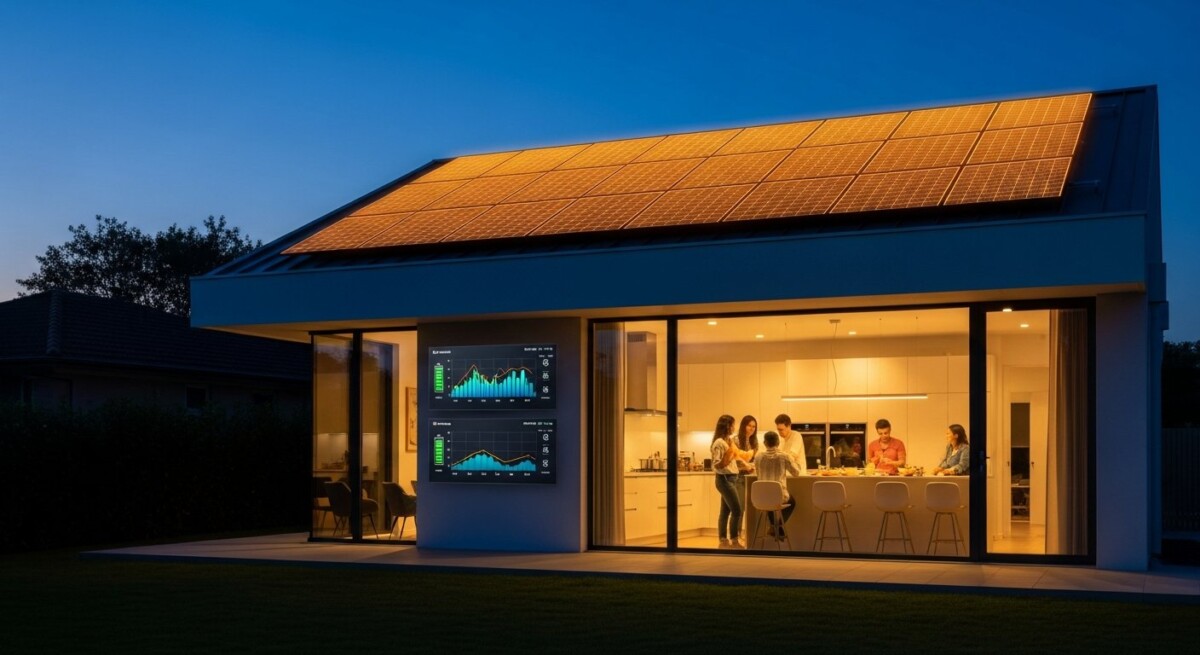
If you’re a homeowner, you’ve likely watched your electricity bill climb steadily over the years. This frustrating trend leads many to search for reliable, long-term solutions. For those researching solar panel installation, the concept of “AI solar energy for commercial buildings” might seem like a distant, industrial idea. However, the advanced technology and smart energy management principles behind it are now directly benefiting residential systems, helping homeowners slash their energy bills and gain independence from the unpredictable power grid.
Understanding AI Solar Energy for Commercial Buildings
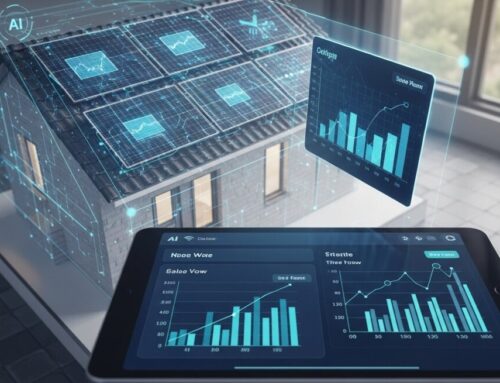
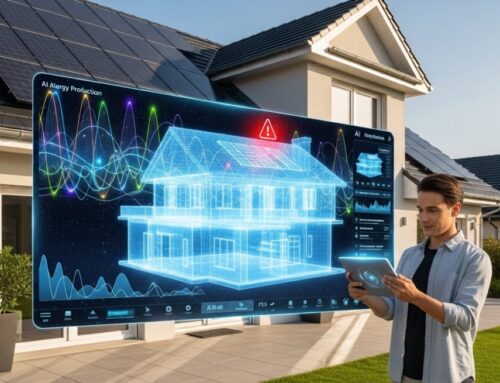
At its core, AI solar energy for commercial buildings refers to using artificial intelligence to optimize large-scale solar power systems. This technology manages energy production, storage, and consumption with incredible efficiency. While designed for big office complexes or factories, the same smart principles are now being applied to residential solar installations.
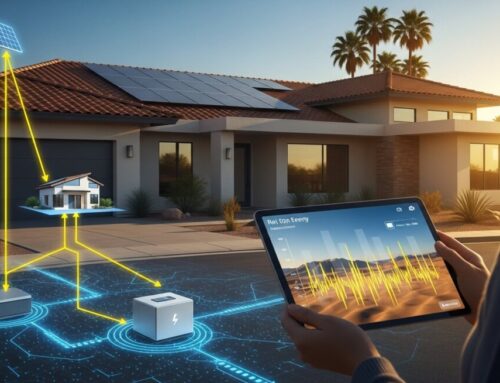
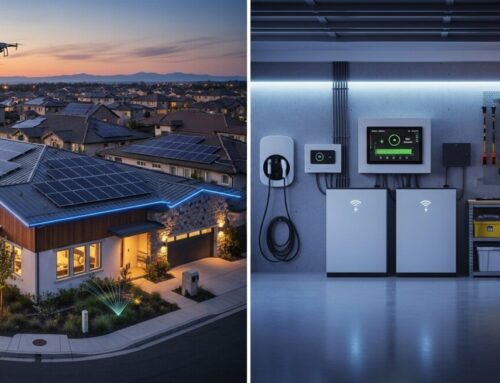
For your home, this means your solar system can do more than just generate power. It can learn your family’s energy habits, predict weather patterns to store extra energy, and automatically decide when to use battery power or send electricity back to the grid. This intelligent management maximizes every bit of sunlight your panels capture, turning a simple installation into a smart home energy hub.
Why Solar Energy Is Becoming More Popular
Homeowners are turning to solar power for several powerful reasons. First and foremost, rising electricity prices make a fixed-cost solar system an attractive financial shield. Once your system is installed, a significant portion of your energy comes at a predictable, near-zero cost for decades, protecting you from future rate hikes.
Beyond the bills, there’s a strong desire for energy independence and environmental responsibility. Solar panels allow you to generate your own clean power, reducing reliance on fossil fuels and lowering your household’s carbon footprint. Combined with available government incentives and the increasing affordability of equipment, solar energy has moved from a niche alternative to a mainstream home improvement.
If you are considering solar power for your home, comparing installation quotes can help you understand your options. Request a free solar quote or call to learn more.
Common Questions Homeowners Have About Solar
It’s normal to have questions before making a significant investment in your home. Many homeowners wonder about the upfront cost and how long it will take to see a return. Others are concerned about whether their roof is suitable or what happens on cloudy days.
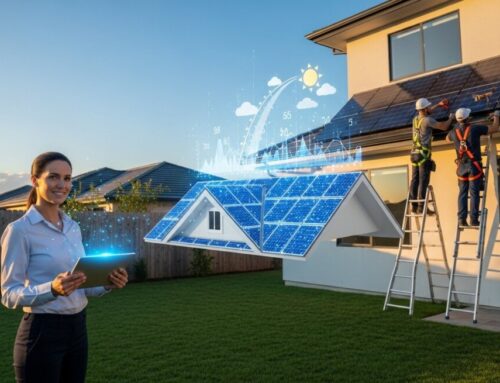
A professional installer can address all these concerns with a personalized assessment. They will evaluate your roof’s angle, shading, and structure, and use software to model your potential energy production and savings. This detailed analysis replaces guesswork with clear, data-driven projections. For a deeper look at what to ask potential installers, our guide on understanding solar energy quotes for homeowners breaks down the key details.
- How much will a solar panel system cost for my home?
- Is my roof strong enough and facing the right direction?
- Will solar panels work during winter or on rainy days?
- How long will the installation process take?
- What maintenance is required?
- Are there financing options or rebates available?
How Solar Panel Installation Works
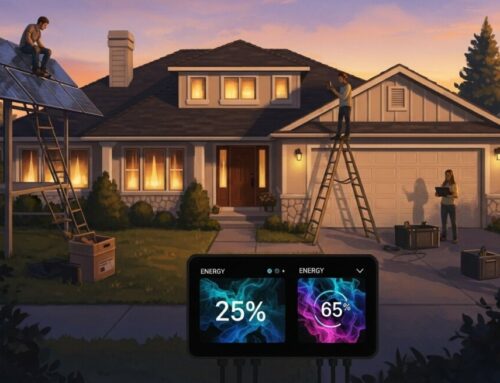
The installation process is designed to be straightforward and managed by professionals from start to finish. It begins with a consultation and energy assessment, where an expert reviews your past electricity bills and evaluates your home’s solar potential. This ensures the system designed for you meets your specific energy needs.
Once you approve the design, the installer handles all the necessary permits and paperwork with your local authorities. The physical installation is typically completed in just a few days, with minimal disruption to your daily life. The final step is the inspection and connection, often called “flipping the switch,” when your system starts producing clean energy for your home.
- Home Energy Assessment and Consultation
- Custom System Design and Proposal
- Permitting and Utility Approvals
- Physical Installation of Panels and Inverter
- Final Inspection and System Activation
Speaking with experienced installers can help you determine the best solar solution for your home. Compare solar quotes here or call to explore available options.
Signs Your Home May Be Ideal for Solar
Certain home characteristics make solar panels particularly effective and financially rewarding. The most obvious is strong, unobstructed sunlight on your roof for most of the day. South-facing roofs in the Northern Hemisphere typically receive the most sunlight, but east and west-facing roofs can also be excellent candidates.
Your current energy consumption and future plans also play a big role. If you have high monthly electricity bills, solar can deliver more immediate savings. Furthermore, if you plan to stay in your home for the long term, you’ll have more years to enjoy the reduced operating costs and increased property value that solar provides.
- Your roof receives direct sunlight for 4-6+ hours per day.
- You have high or rising monthly electricity bills.
- Your roof is in good condition and has ample, unshaded space.
- You plan to own your home for 5-10+ years.
- You live in an area with strong net metering policies or solar incentives.
What Affects Solar Installation Costs
The total cost of your solar system depends on a few key factors. The primary one is the size of the system, measured in kilowatts (kW), which is determined by your home’s energy usage. A larger system for a big home with high consumption will cost more upfront but will also generate greater long-term savings.
Other factors include the quality and type of equipment you choose, such as premium efficiency panels or a home battery backup. The complexity of your roof’s layout and the local costs for labor and permits also influence the price. Crucially, federal tax credits, state rebates, and local utility incentives can significantly reduce your net cost, making solar more accessible than ever.
The cost of solar installation varies depending on your home and energy needs. Request personalized solar quotes or call to see what options are available.
Tips for Choosing a Reliable Solar Installer
Selecting the right installer is as important as choosing the right equipment. Look for a company with a strong track record, proper licensing, and insurance. They should offer robust warranties not just on the panels, but also on their workmanship for the installation itself.
Always read customer reviews and ask for references from recent projects. A trustworthy installer will provide a detailed, written quote that clearly breaks down all costs, equipment specifications, and projected energy production. They should be transparent and patient, willing to answer all your questions without high-pressure sales tactics.
- Verify licenses, insurance, and certifications (like NABCEP).
- Check online reviews and ask for local references.
- Compare detailed quotes from at least 3 different companies.
- Ensure they offer strong warranties on equipment and labor.
- Choose a company that handles the entire permit and interconnection process.
Long-Term Benefits of Installing Solar Panels
The most immediate benefit of solar panels is reducing your monthly electricity bill, often by 50% to 100%. This translates to tens of thousands of dollars in savings over the 25+ year lifespan of the system. You effectively lock in a low, predictable energy rate for decades, insulating your budget from utility price inflation.
Beyond savings, solar panels increase your home’s market value and appeal to future buyers. They also provide a profound sense of energy independence and security. You’re contributing to a cleaner grid and reducing your household’s environmental impact, knowing your daily energy use, from cooling your home to charging devices as explained in how we use solar energy daily, is powered by the sun.
How long do solar panels last?
Most high-quality solar panels come with a 25-year performance warranty, guaranteeing they will still produce at least 80-85% of their original output at that age. The system itself can often continue producing electricity well beyond that timeframe. Inverters, which convert the solar power for home use, typically have a shorter lifespan of 10-15 years and may need replacement once during the system’s life.
Do I need a battery with my solar panels?
While not required, a battery storage system adds significant benefits. It allows you to store excess solar energy produced during the day for use at night or during a power outage, increasing your energy independence. For homes without net metering or in areas with frequent outages, a battery can be a valuable addition, though it does increase the initial system cost.
What is net metering?
Net metering is a billing arrangement with your utility company. When your solar panels produce more electricity than your home is using, the excess is sent back to the grid, and your meter literally runs backwards. You receive credits for this power, which you can then use to draw electricity from the grid at night or on cloudy days, significantly reducing your bill.
Can I install solar panels myself?
While DIY solar kits exist, professional installation is highly recommended. A certified installer ensures the system is correctly designed, safely installed, and compliant with all local building codes and utility requirements. They also handle the complex permitting process and can secure the best warranties, protecting your investment.
What happens if I sell my house?
Solar panels are generally seen as a valuable home upgrade that increases property value and marketability. Studies show homes with solar panels sell faster and for a premium compared to similar homes without them. You can either pay off the system and transfer it to the new owner, or the new homeowner can assume the financing if applicable.
How do I maintain my solar panels?
Solar panels require very little maintenance. In most climates, rainfall naturally cleans the panels. An occasional visual check to ensure they are free of heavy debris, snow, or shading from new tree growth is usually sufficient. Your installer can provide specific guidance and may offer an optional monitoring service or maintenance plan.
Exploring solar energy for your home is a smart step toward controlling your energy costs and investing in a sustainable future. By understanding the technology, the process, and the long-term benefits, you can make a confident decision. The best way to start is with clear, personalized information from local experts, so take the time to compare quotes and find the right solution for your home and budget.