Affordable Solar Energy Plans for Homeowner Savings
If you’ve watched your electricity bill climb month after month, you’re not alone. Many homeowners are searching for ways to take control of their energy costs and reduce their reliance on the unpredictable power grid. An affordable solar energy plan offers a powerful solution, turning your roof into a source of clean, low-cost power for decades to come.
Understanding Affordable Solar Energy Plans
An affordable solar energy plan isn’t a special utility rate. It’s a strategy for powering your home using solar panels you own or finance. The plan becomes affordable through smart system sizing, available financial incentives, and the long-term savings on your power bills.
The concept is simple. Solar panels on your roof convert sunlight into direct current (DC) electricity. An inverter then changes this into the alternating current (AC) electricity that powers your home. Any extra energy you produce can often be sent back to the grid for credit, a process called net metering.
This approach locks in a low, predictable cost for your energy for the 25+ year life of the system. While there is an upfront investment, the goal is for the monthly savings to outweigh the costs, leading to significant net savings.
What Makes a Plan “Affordable”?
Affordability is achieved through a combination of lower equipment costs, strong government incentives, and attractive financing. Many installers offer loans with monthly payments designed to be less than your current electric bill from day one. This creates immediate savings without a large upfront payment.
Why Solar Energy Is Becoming More Popular
Homeowners are turning to solar power for several compelling reasons. First and foremost are rising electricity prices. Utility rates have a history of increasing over time, but the sun’s energy is free. Solar panels provide a hedge against future rate hikes.
There is also a growing desire for energy independence and environmental responsibility. Generating your own clean power reduces your carbon footprint and makes you less vulnerable to grid outages and price spikes. It’s a practical step toward a more sustainable lifestyle.
The financial case has never been stronger. With the federal solar tax credit and other local rebates, the net cost of a system has dropped dramatically. When you combine these incentives with long-term energy production, the return on investment is clear and attractive for many households.
If you are considering solar power for your home, comparing installation quotes can help you understand your options. Request a free solar quote or call to learn more.
Common Questions Homeowners Have About Solar
It’s normal to have questions before making a significant home improvement decision. A common concern is the initial cost, but as discussed, financing and incentives make solar accessible. Many are also unsure if their roof is suitable or if they’ll stay in their home long enough to benefit.
Performance is another frequent topic. Homeowners want to know if solar will work on cloudy days or during winter. Modern panels are efficient and generate power even in indirect light, and net metering helps balance production across seasons.
- How much do solar panels cost after incentives?
- Is my roof suitable for solar panels?
- What happens on cloudy days or at night?
- How long will the installation process take?
- Do solar panels require a lot of maintenance?
- Will solar panels increase my property value?
How Solar Panel Installation Works
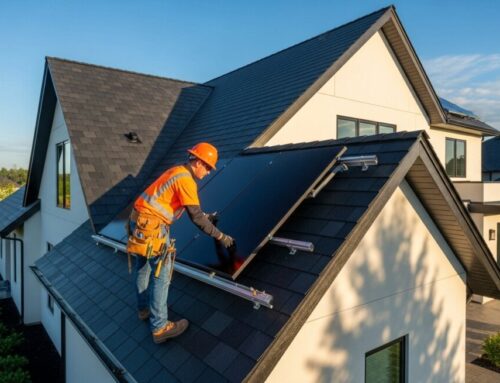
The installation process is managed by professionals from start to finish. It begins with a detailed assessment of your home’s energy use and roof to design a system that meets your needs. A good installer will handle all the paperwork, including permits and applications for incentives.
Once the design is approved and permits are secured, the physical installation typically takes just a few days. The system is then inspected and connected to the grid. The process is designed to be smooth and hassle-free for the homeowner.
- Home Energy Assessment & Consultation: An expert reviews your bills, evaluates your roof, and discusses your goals.
- System Design & Proposal: A custom system is designed, and a detailed quote outlining costs, savings, and equipment is provided.
- Permits & Approvals: Your installer secures all necessary building permits and utility interconnection agreements.
- Panel Installation: The racking, panels, inverter, and monitoring equipment are installed on your roof and in your home.
- Inspections & Activation: The system is inspected by local authorities and the utility, then turned on to start producing power.
Speaking with experienced installers can help you determine the best solar solution for your home. Compare solar quotes here or call to explore available options.
Signs Your Home May Be Ideal for Solar
While many homes are good candidates, some characteristics make solar particularly advantageous. The most obvious is a roof with good, unshaded exposure to the south, east, or west. Strong, consistent sunlight is the fuel for your system.
Financial factors are also key indicators. If you have high monthly electricity bills, solar can deliver greater immediate savings. Furthermore, if you plan to own your home for the next several years, you’ll have ample time to reap the full financial benefits of your investment.
- You pay more than $100 per month on electricity.
- Your roof is in good condition and receives sunlight for most of the day.
- You have a suitable amount of unobstructed roof space.
- You plan to live in your current home for 5+ years.
- You are interested in reducing your environmental impact.
- Your state or utility offers favorable net metering policies.
What Affects Solar Installation Costs
The final cost of your solar energy system depends on several factors. The primary one is the size of the system, measured in kilowatts (kW), which is determined by your home’s energy consumption. A larger home with higher usage will require a larger, more powerful system.
Equipment quality and installation complexity also play a role. Premium panels and inverters may cost more upfront but can offer better efficiency and longer warranties. Factors like roof pitch, material, and the need for electrical upgrades can influence labor costs. Crucially, local and federal incentives directly reduce your net cost, making a detailed understanding of solar energy quotes essential for an accurate comparison.
The cost of solar installation varies depending on your home and energy needs. Request personalized solar quotes or call to see what options are available.
Tips for Choosing a Reliable Solar Installer
Selecting the right installer is as important as choosing the right equipment. A reputable company will ensure a quality installation, proper permitting, and maximize your available savings. They act as your guide through the entire process.
Always check for proper licensing and insurance. Look for installers with strong track records in your community and who offer robust warranties on both equipment and workmanship. Your due diligence here protects your investment for decades.
- Verify licenses, insurance, and certifications (like NABCEP).
- Choose an established local company with a proven track record.
- Read customer reviews and ask for references.
- Compare detailed quotes from at least three different installers.
- Ensure they offer strong production and workmanship warranties.
- Ask who will perform the installation (in-house crew vs. subcontractors).
Long-Term Benefits of Installing Solar Panels
The most immediate and ongoing benefit is drastically reduced electricity bills. For many homeowners, the system payment is less than their old utility bill, creating savings from the first month. Over 25 years, these savings can amount to tens of thousands of dollars.
Solar panels also increase your home’s market value and appeal to future buyers. Studies consistently show that homes with solar sell faster and for a premium. Beyond finances, you gain energy independence and contribute to a cleaner grid, understanding how we use solar energy daily on a personal and community level.
You are also protected from rising utility rates. Your cost for the solar-generated portion of your power is fixed, providing predictable energy costs for decades. This combination of financial, practical, and environmental benefits makes solar a wise long-term home upgrade.
How much can I really save with solar panels?
Savings depend on your local electricity rates, system size, and sunlight. A typical homeowner can save $20,000 to $70,000 over the system’s lifetime. Many see their solar loan payment be 20-40% less than their previous average electric bill, creating instant monthly savings.
What is the federal solar tax credit?
The Investment Tax Credit (ITC) allows you to deduct 30% of your solar system’s cost from your federal taxes. If your system costs $20,000, you can claim a $6,000 credit. This incentive significantly lowers the net price and accelerates your payback period.
Do I need battery storage with my solar panels?
Most grid-tied systems do not require batteries. Net metering acts as a “virtual battery” by crediting you for excess power. Batteries are an excellent add-on for backup power during outages or for maximizing self-consumption, but they increase the initial cost.
What happens if I sell my house?
Solar panels increase your home’s value and marketability. You can transfer the system to the new homeowner, often as a selling point that lowers their future energy costs. Studies show solar homes sell faster and for more money than comparable non-solar homes.
How long do solar panels last?
Most quality solar panels come with a 25-year performance warranty guaranteeing they will still produce at least 80-85% of their original output at that time. The panels themselves can continue producing electricity well beyond that warranty period.
What maintenance is required?
Solar panels require very little maintenance. Occasional cleaning with water to remove dust, pollen, or bird droppings is usually sufficient. Most systems include monitoring, so you can track performance online and ensure everything is working optimally.
Exploring affordable solar energy is a smart step toward financial predictability and energy independence. By understanding the process, benefits, and costs, you can make an informed decision that benefits your household for years to come. The best next step is to gather personalized information from qualified local professionals.